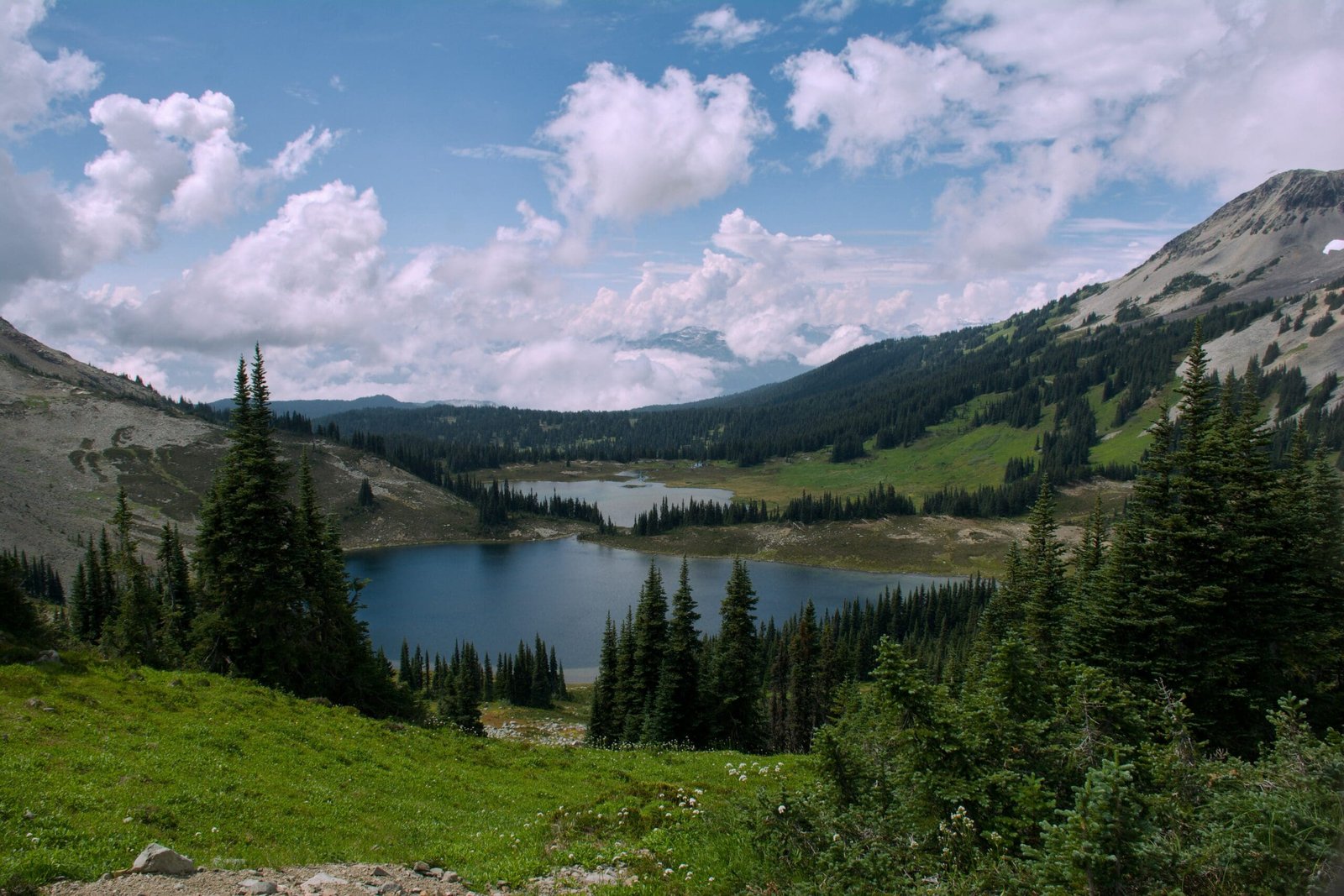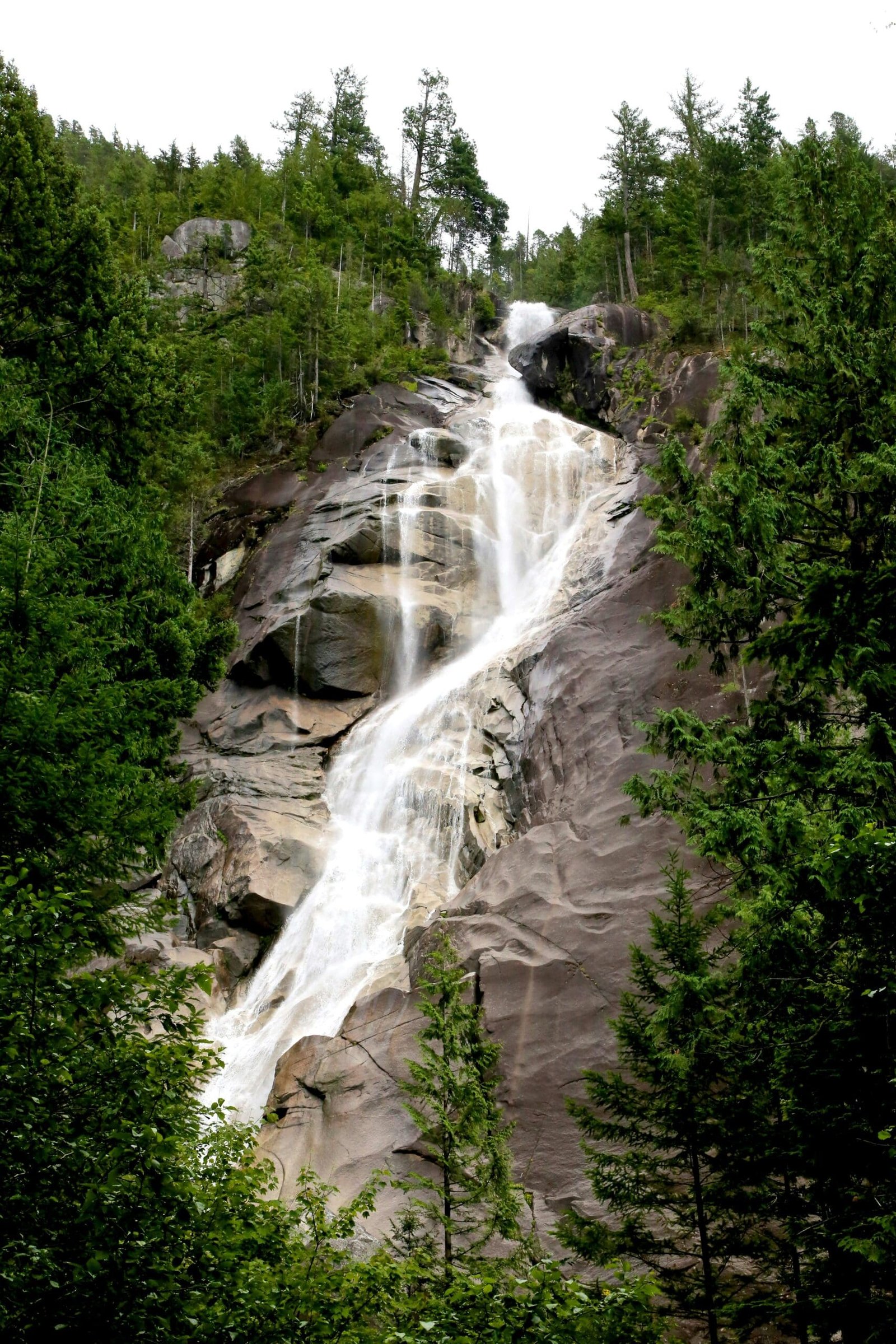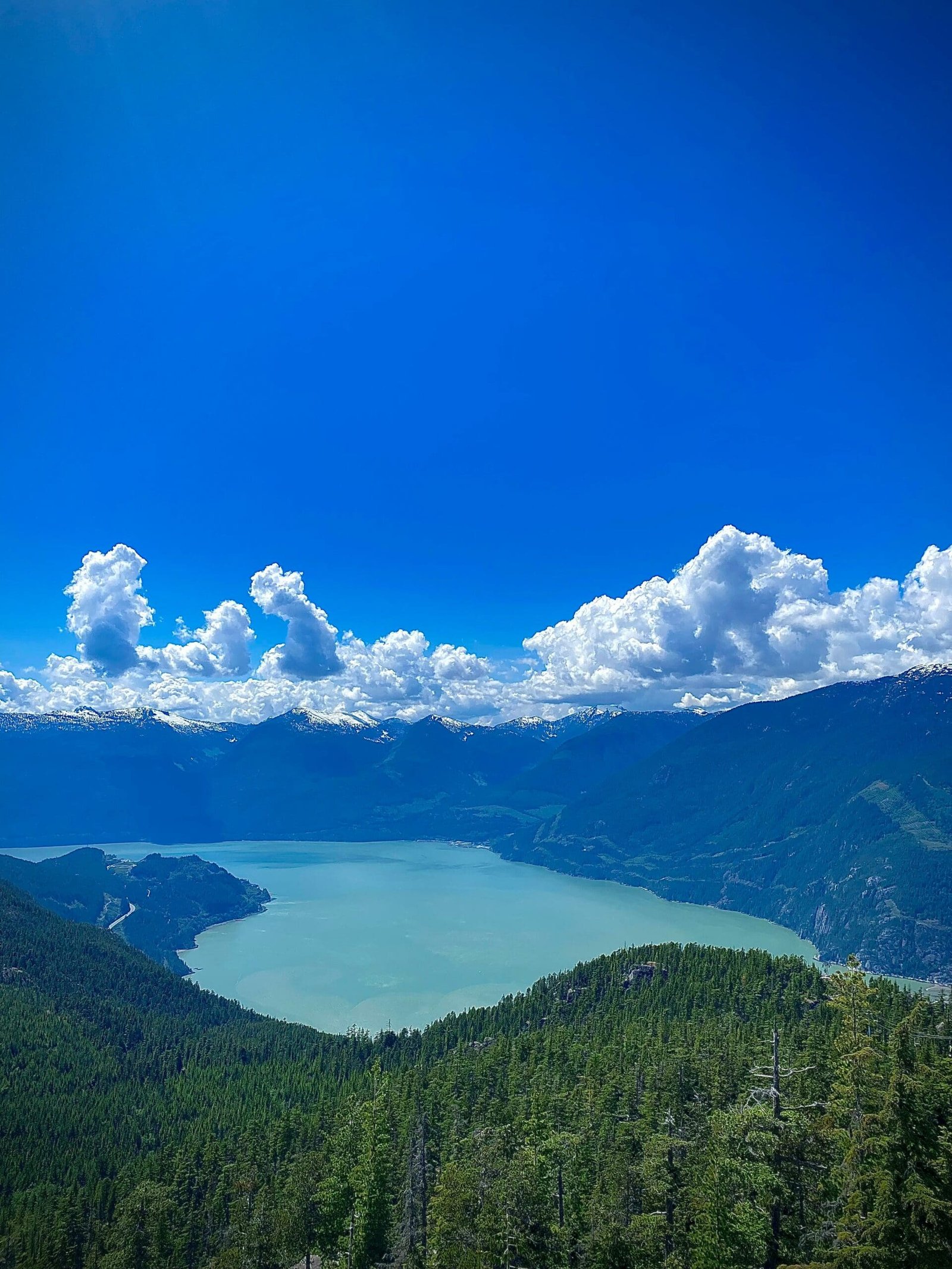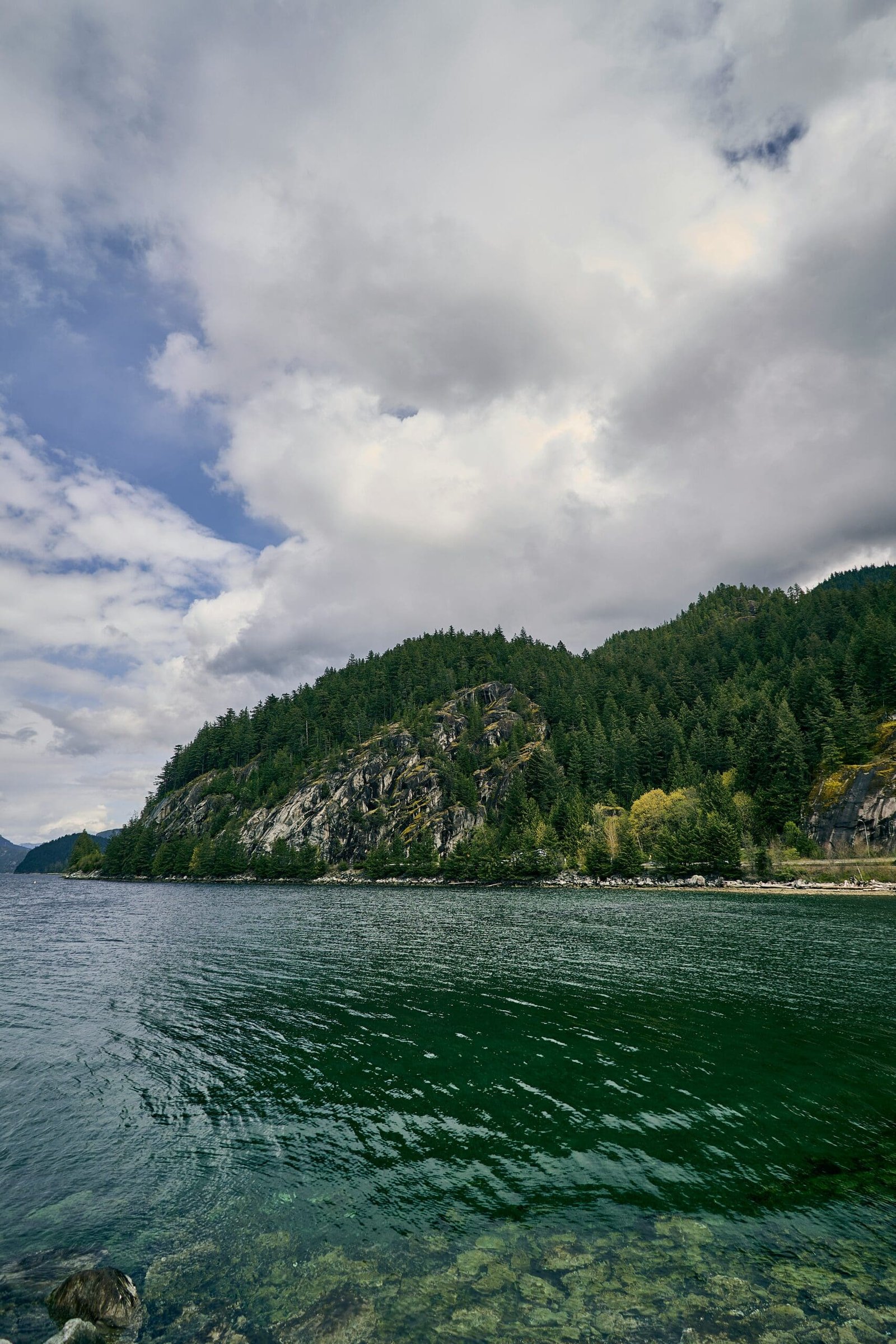
What to See Between Vancouver and Calgary:
Okanagan, Rockies, Lakes and Icefields
What to See Between Vancouver and Calgary: Okanagan, Rockies, Lakes and Icefields
The journey between Vancouver and Calgary is one of the most scenic long-distance routes in Western Canada. It is not just a way to travel from the Pacific Coast to Alberta. It is a route through changing landscapes: coastal mountains, interior valleys, warm lake country, railway towns, national parks, glacier-fed rivers, turquoise lakes and some of the most famous mountain views in the Canadian Rockies.
Many travellers know the big names: Banff, Lake Louise, Moraine Lake and the Icefields Parkway. But the route becomes much more interesting when you understand what comes before and between those highlights. The Okanagan Valley, Revelstoke, Glacier National Park, Rogers Pass and Yoho National Park all add depth to the journey.
This guide is written as an informational overview of the major sights and regions between Vancouver and Calgary. It explains what makes each place worth seeing, how the scenery changes along the way, and what visitors should know before planning a road trip or multi-day mountain journey.
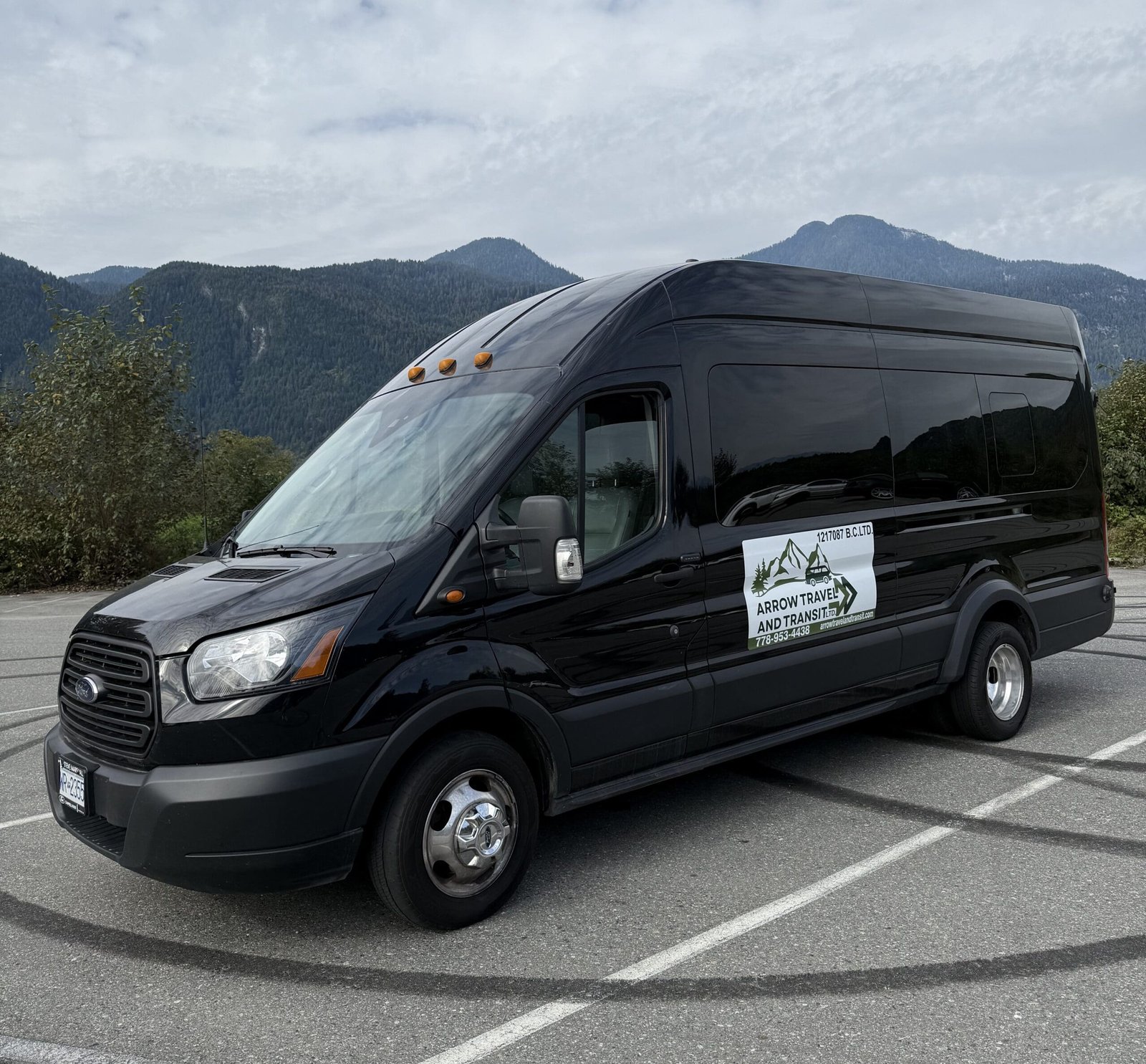
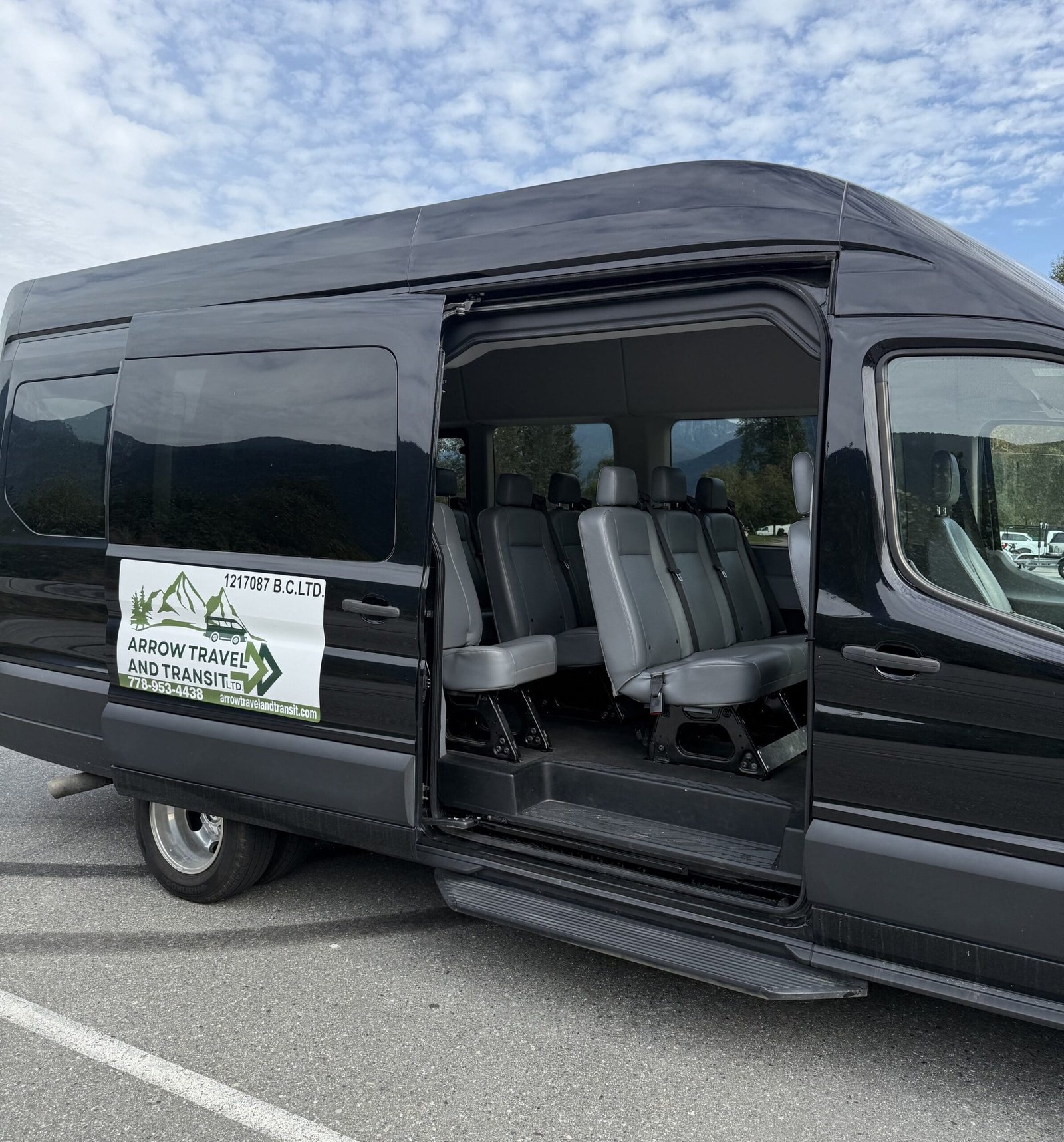
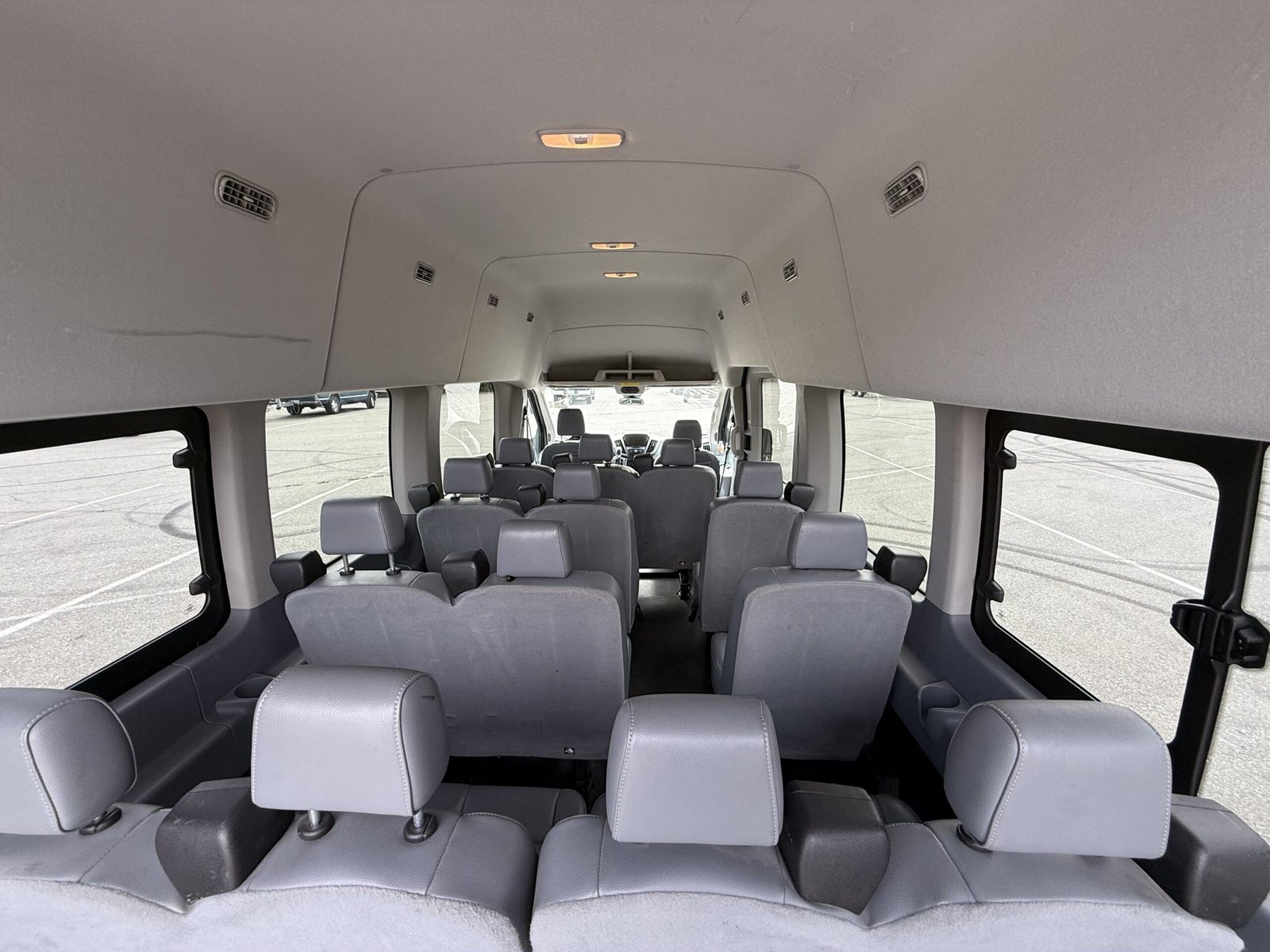
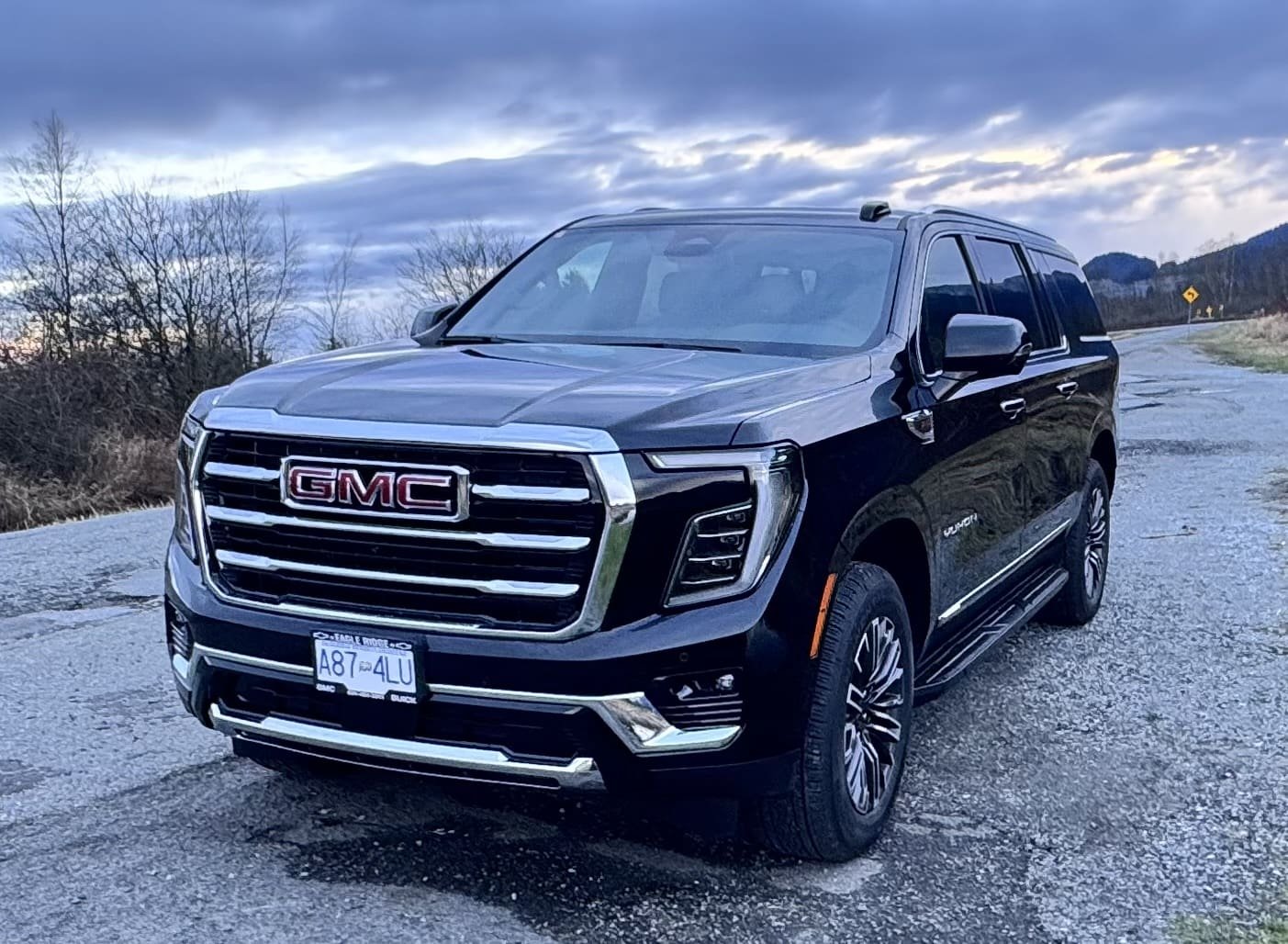
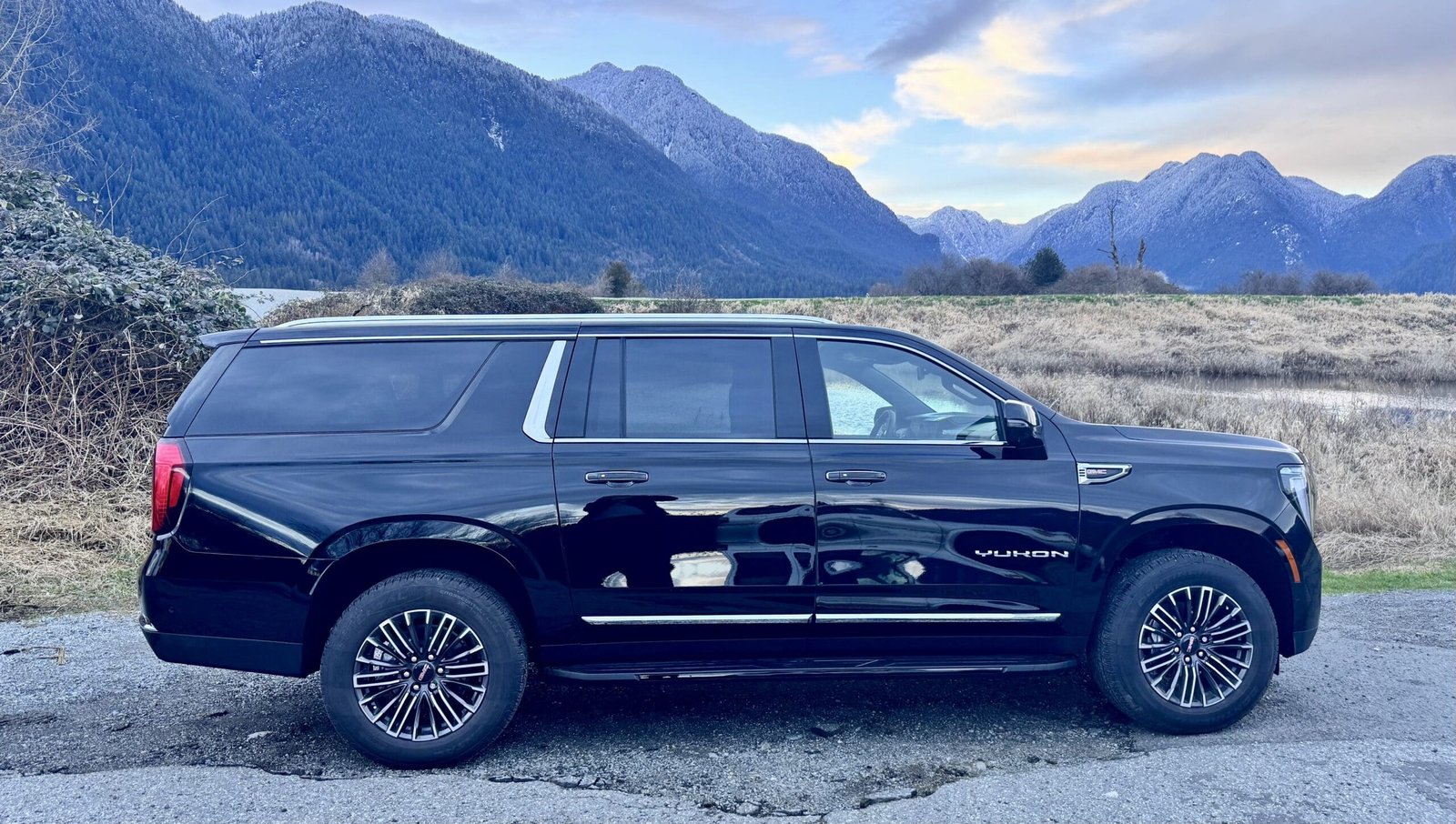
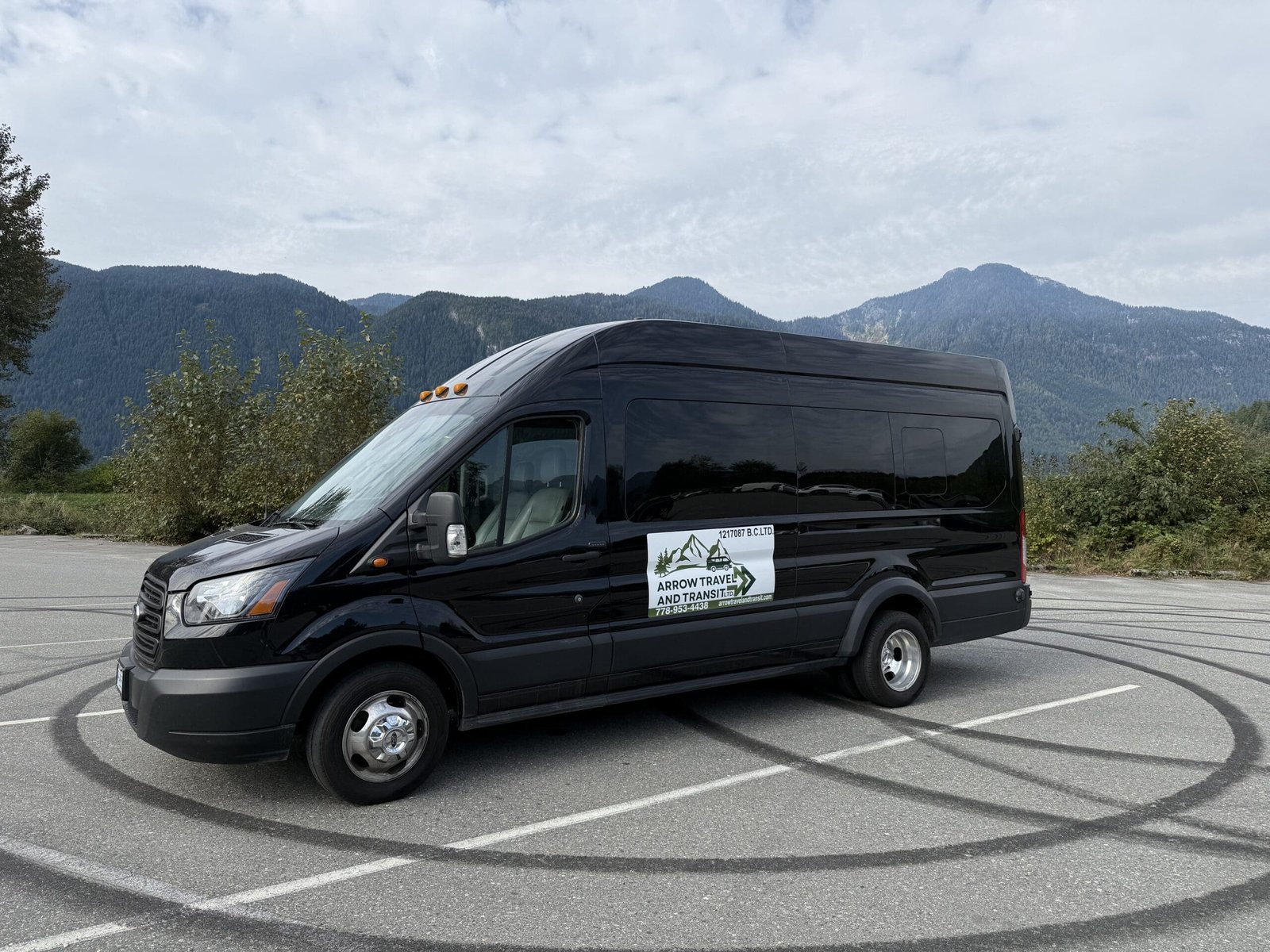
For travellers who prefer a planned private route instead of arranging every driving day, stop and access detail themselves, Arrow Travel & Transit offers a private Rocky Mountains route from Vancouver to Calgary. The rest of this article focuses on the attractions and landscapes themselves, so you can better understand what makes this part of Western Canada so memorable.
Why the Vancouver to Calgary Route Is So Scenic
The Vancouver to Calgary route feels special because it crosses several very different regions in one journey.
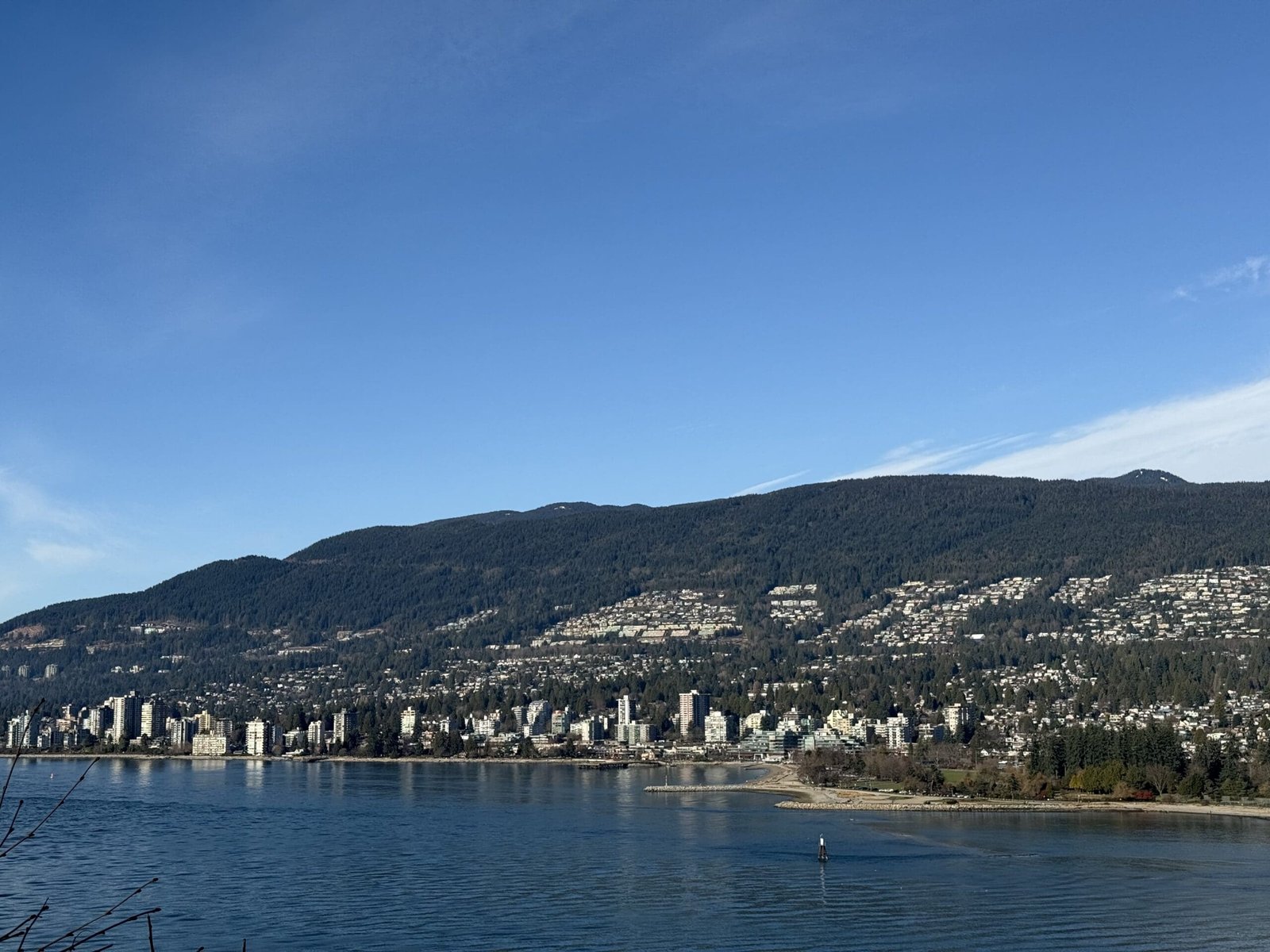
Vancouver begins with a coastal setting: ocean, rainforest, harbour views and surrounding mountains. As the route moves east, the land changes toward river valleys, farmland, dry interior hills and lake country. Then the road climbs into the Columbia Mountains and eventually reaches the national parks of the Canadian Rockies.
By the time you reach Banff, Lake Louise and the Icefields Parkway, the trip has already shown you much more than mountain scenery. You have seen British Columbia’s coast-to-interior transition, the Okanagan’s warm valley landscapes, Revelstoke’s alpine character and the historic mountain corridors that connect B.C. with Alberta.
This is why the route should not be treated as a simple transfer. The best version of the journey is about understanding the regions along the way.
Okanagan Valley: Lakes, Orchards and Interior Scenery
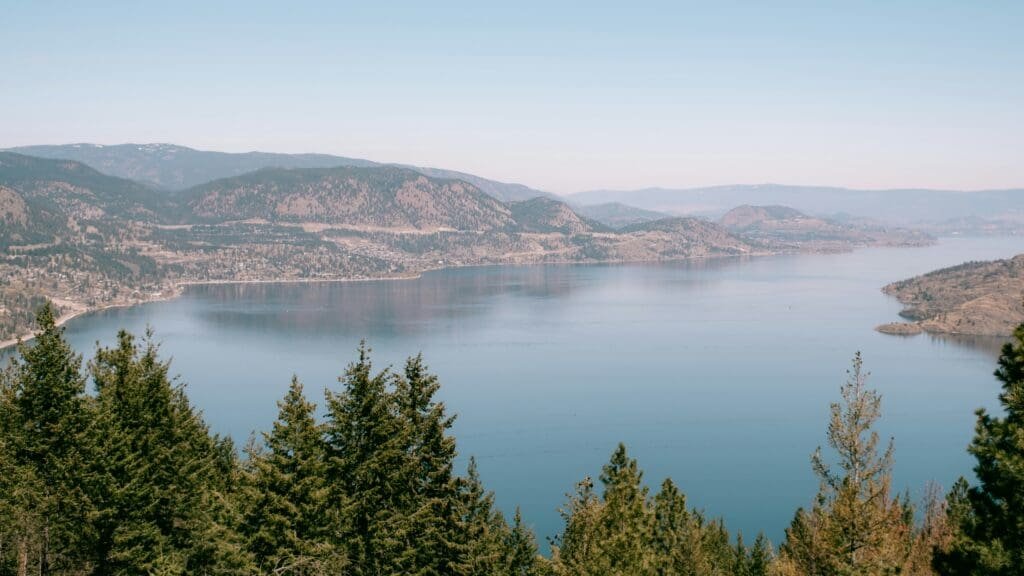
The Okanagan Valley is often the first major contrast after leaving the coast. Compared with Vancouver’s wetter, greener landscape, the Okanagan feels warmer, drier and more open. The region is known for lakes, vineyards, orchards, rolling hills and a relaxed interior lifestyle.
Kelowna is one of the most recognizable places in the Okanagan. It sits beside Okanagan Lake and is surrounded by wineries, beaches, trails, farms and viewpoints. For travellers heading toward the Rockies, Kelowna and the surrounding valley help break up the long route and add a completely different kind of scenery before the alpine landscapes begin.
The Okanagan is not the Canadian Rockies yet, and that is exactly why it matters. It shows a different side of British Columbia: sunny valleys, agricultural land, lake views and a slower pace. If your only image of Western Canada is snow-capped mountains, the Okanagan gives the route more variety.
What Makes the Okanagan Worth Seeing?
The Okanagan is worth seeing because it feels distinct from both Vancouver and Banff. It has its own climate, culture and visual identity.
Visitors often associate the region with wine country, but it is also a place of lakefront communities, fruit stands, dry hillsides, marina views and long summer evenings. Even a short stop can add colour to a Vancouver-to-Calgary journey.
For photography, the Okanagan works best when you look beyond one specific attraction. The appeal is in the combination of lake, hills, vineyards, orchards and warm interior light. It is a softer landscape than the Rockies, but it creates an important contrast before the route becomes more dramatic.
Revelstoke: A Mountain Town with Railway Character
Revelstoke is one of the most important stops between the Okanagan and the national parks. It sits in a mountain setting and has a strong connection to railway history, outdoor recreation and the Columbia Mountains.
For many travellers, Revelstoke feels like the point where the journey becomes truly alpine. The landscape becomes steeper, forests feel denser, and the surrounding peaks create a stronger mountain-town atmosphere.
Revelstoke is not as internationally famous as Banff, but that is part of its appeal. It feels more local, less polished and deeply connected to the geography around it.
Why Revelstoke Matters on This Route
Revelstoke matters because it acts as a bridge between British Columbia’s interior and the high mountain parks. It gives travellers a place to slow down before entering Glacier National Park and Rogers Pass.
The town is also closely tied to transportation history. Railways and highways had to pass through difficult mountain terrain here, and that history is still part of the region’s identity.
For visitors who enjoy mountain towns, Revelstoke is worth more than a quick fuel stop. Even a short walk, meal or overnight stay can help you feel the transition from valley travel to mountain travel.
Mount Revelstoke and the Columbia Mountains
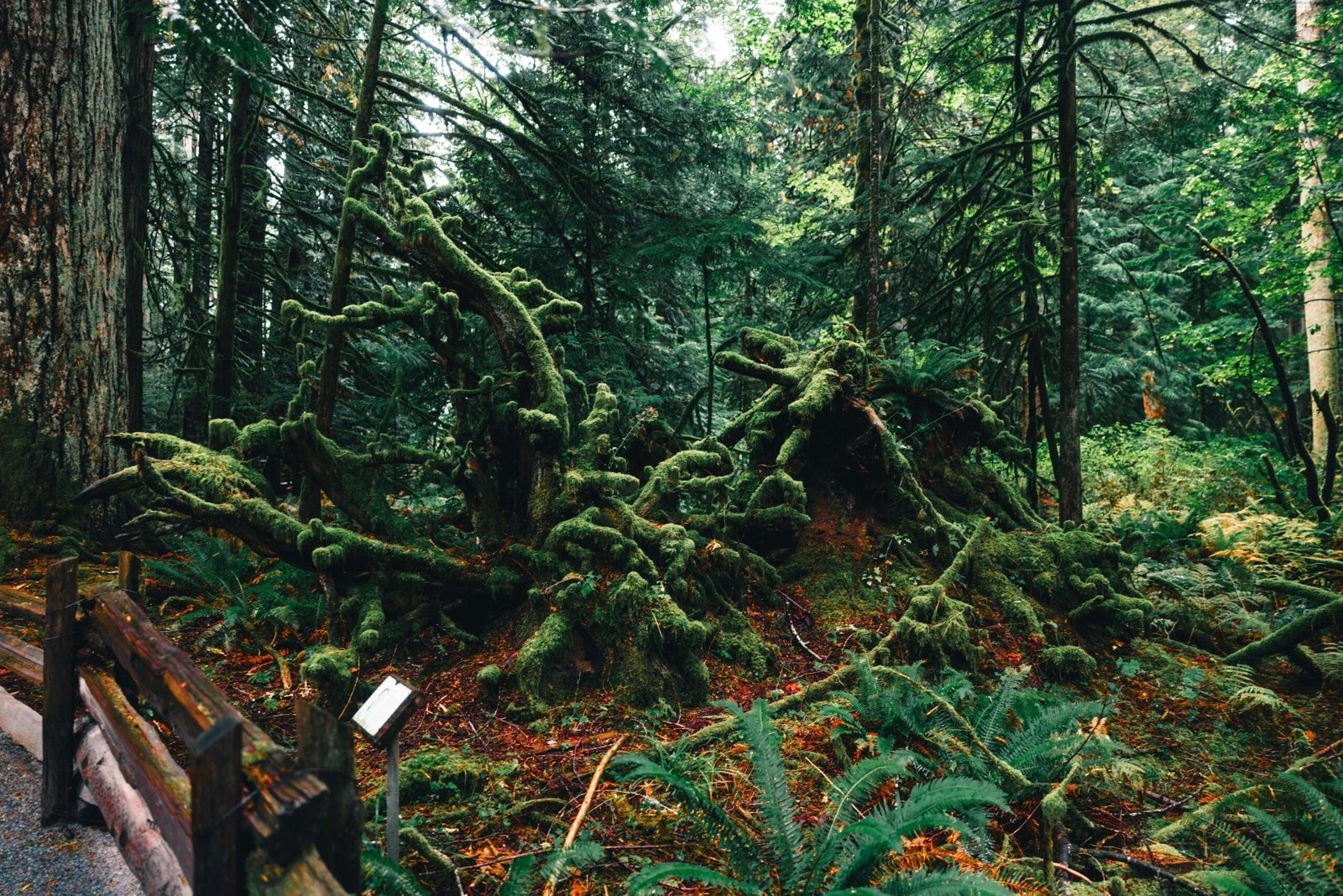
The area around Revelstoke offers access to the Columbia Mountains, a range that many visitors pass through without fully understanding. These mountains are not the same as the Rockies, but they are a major part of the Western Canada landscape.
Mount Revelstoke National Park is known for mountain roads, forests, trails and seasonal alpine meadows. Depending on season and access, it can add a quieter nature experience before the more famous national parks farther east.
Even when travellers do not spend long in the park, the Revelstoke area helps set the stage for what comes next: Glacier National Park and Rogers Pass.
Glacier National Park and Rogers Pass
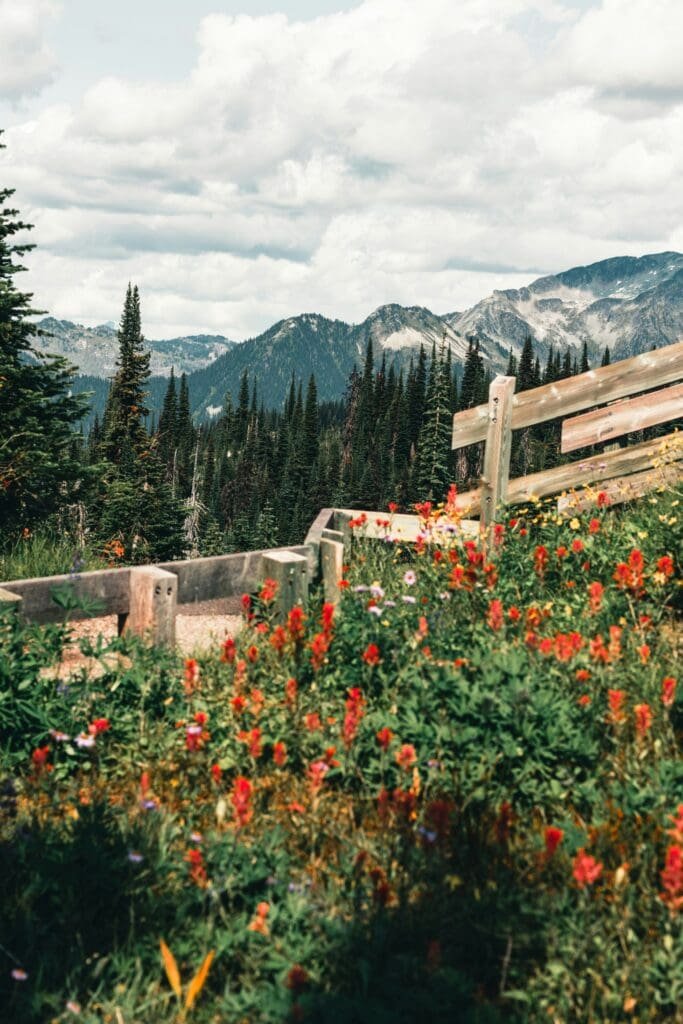
Glacier National Park in British Columbia is one of the most dramatic sections of the route between Vancouver and Calgary. It should not be confused with Glacier National Park in Montana. Canada’s Glacier National Park is part of the Columbia Mountains and is known for steep terrain, heavy snowfall, avalanche paths, glaciers, old-growth forests and the historic Rogers Pass corridor.
Rogers Pass is one of the key mountain crossings in Canada. It has played an important role in railway and highway travel, and it remains one of the most memorable parts of the drive.
This area feels powerful because the landscape is not gentle. The mountains rise steeply, the weather can change quickly, and the route passes through a corridor shaped by snow, rock, forest and engineering.
What to Notice at Rogers Pass
Rogers Pass is not just another viewpoint. It is a place where geography and transportation history meet.
The pass helped connect Canada by rail, but building and maintaining routes through this terrain was extremely difficult. Snow, avalanches and steep mountain walls shaped the way people moved through the area.
For visitors, the best way to appreciate Rogers Pass is to slow down and think about the landscape as more than scenery. Look at the avalanche sheds, steep slopes and narrow mountain corridors. They show how challenging it was to build a route through this part of British Columbia.
Yoho National Park: Lakes, Waterfalls and the Great Divide
Yoho National Park is one of the most rewarding places between Revelstoke and Banff. Located on the western side of the Continental Divide, Yoho feels dramatic, compact and full of contrast.
The park is known for towering rock walls, waterfalls, glacial lakes, rivers and railway history. It is often quieter in reputation than Banff, but it contains some of the most beautiful sights in the Canadian Rockies region.
Yoho is a good reminder that the Rockies are not only about Banff. Some of the most memorable stops are just west of the Alberta border, inside British Columbia.
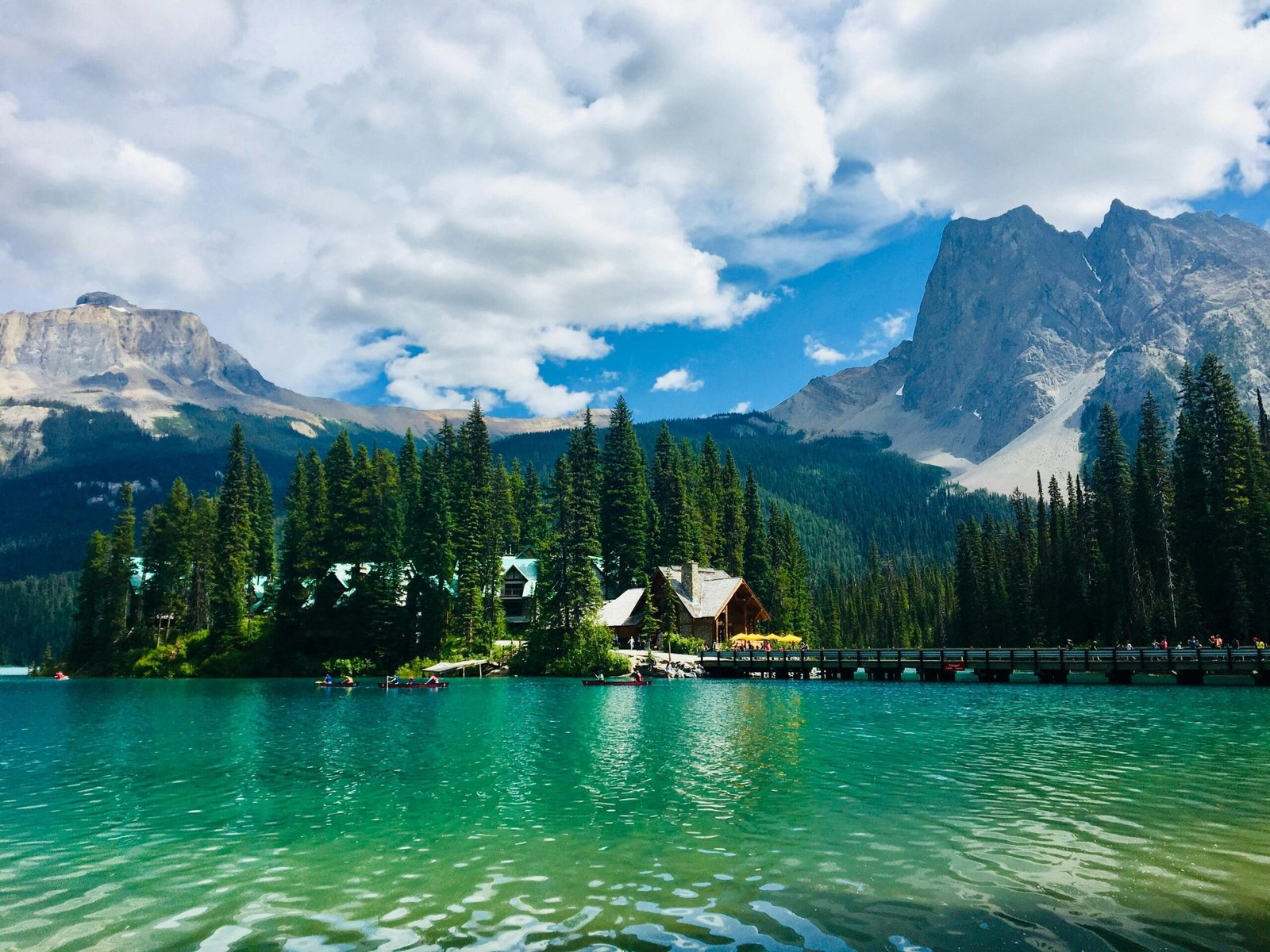
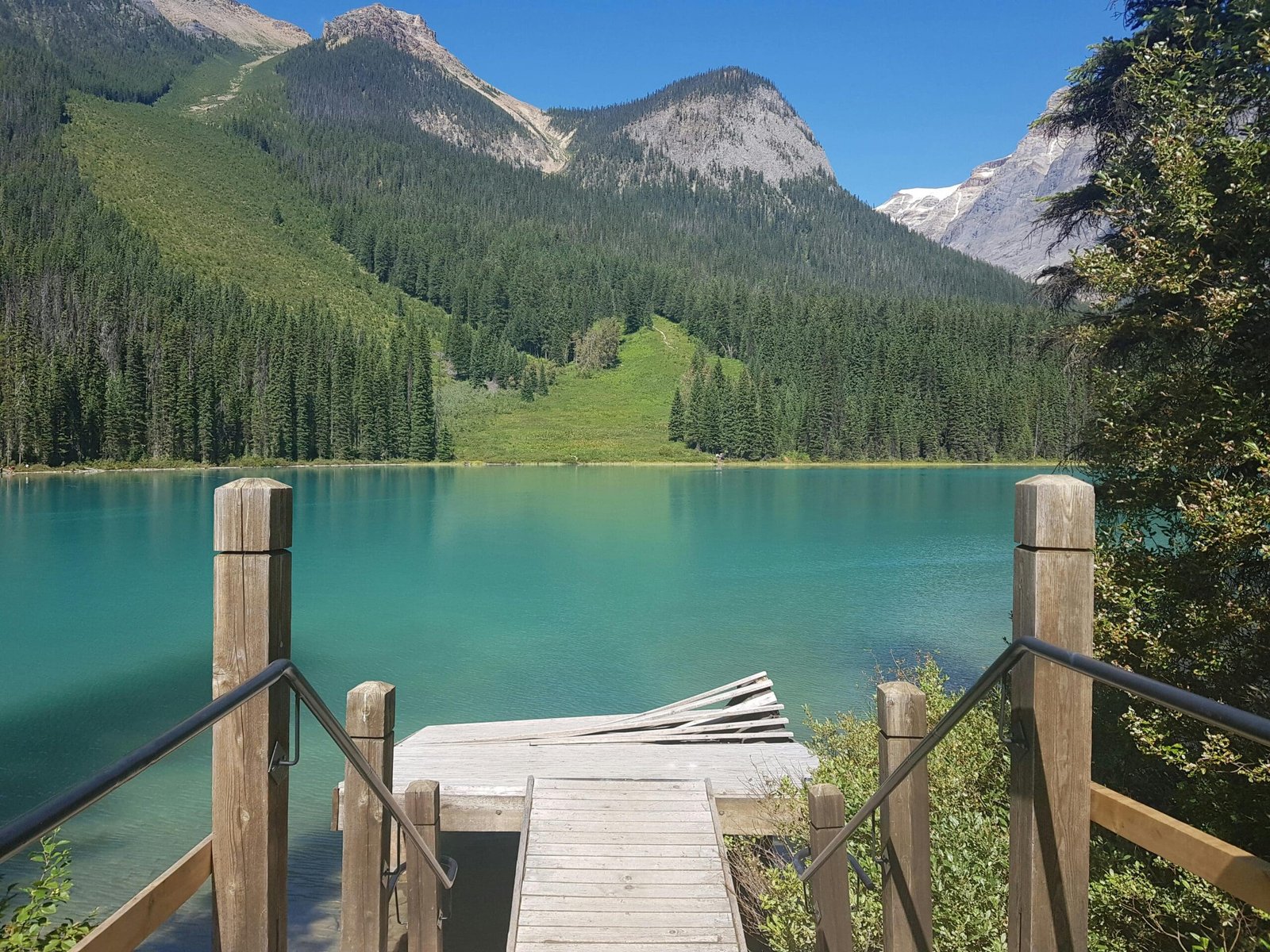
 Emerald Lake
 Emerald Lake
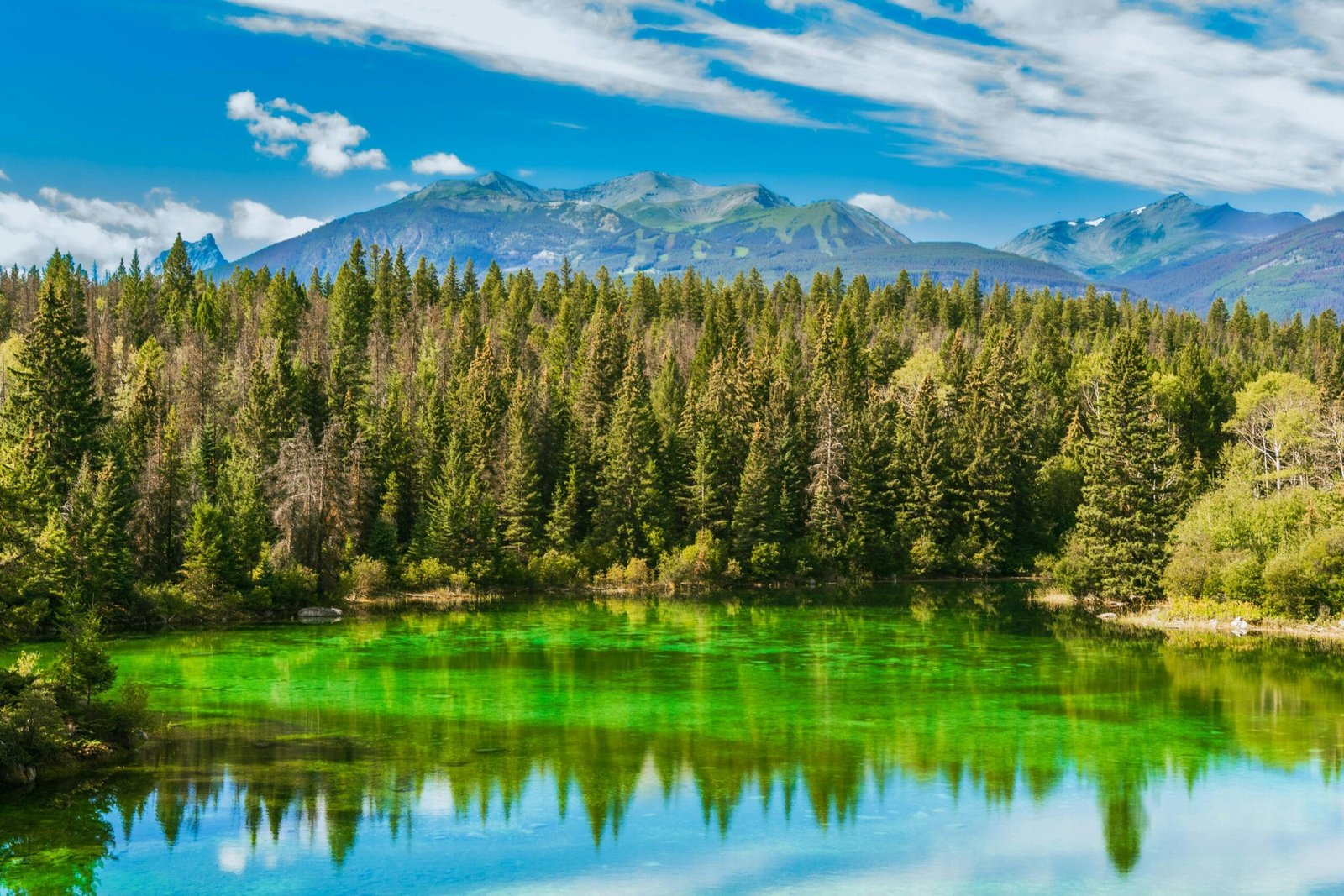
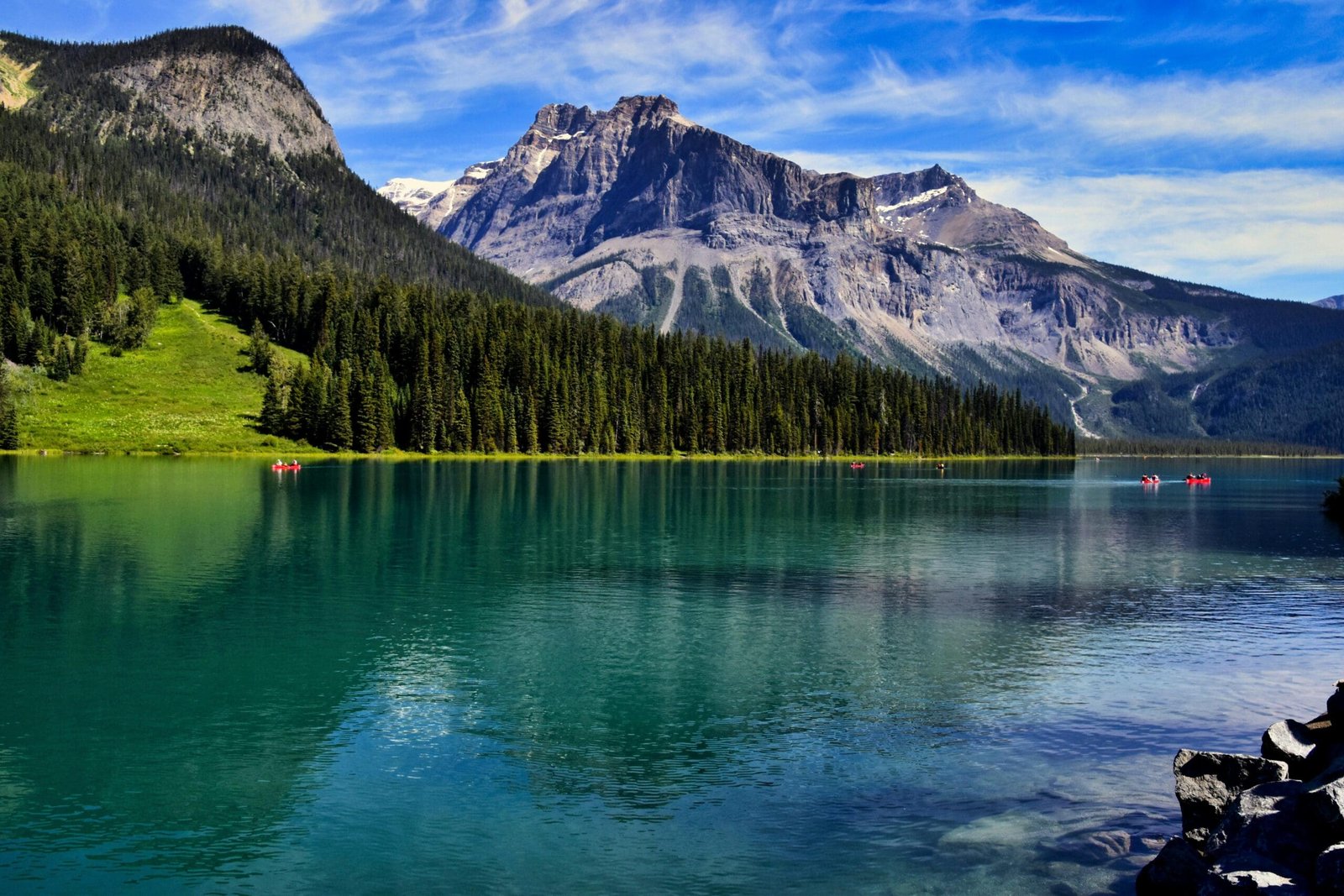
Emerald Lake is one of Yoho National Park’s best-known attractions. Its colour, mountain backdrop and forested shoreline make it one of the most photogenic lakes in the region.
The lake is easier to appreciate slowly than quickly. A short walk along the shoreline, a pause by the bridge or a quiet moment looking across the water can be enough to understand why it is so popular.
Emerald Lake is also useful for travellers who want a beautiful lake experience that feels different from Lake Louise or Moraine Lake. It has its own atmosphere: quieter, forested and enclosed by steep peaks.
Natural Bridge and the Kicking Horse River
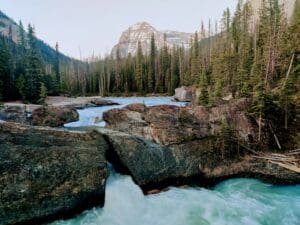
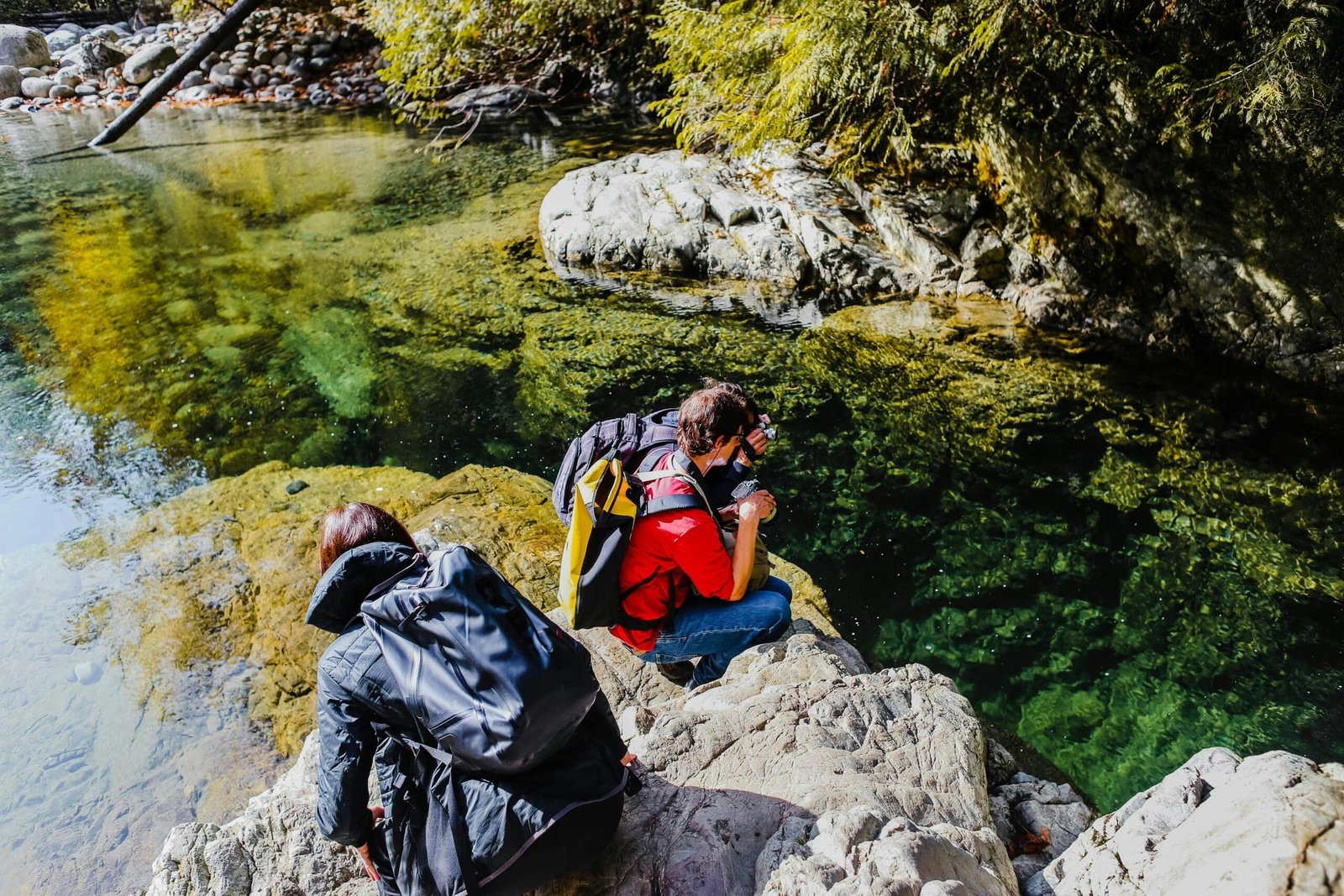
Natural Bridge is another important Yoho stop because it shows the force of water in the mountains. The Kicking Horse River has carved through rock, creating a natural stone formation and a dramatic river scene.
This stop adds geological context to the journey. It is not just pretty scenery. It shows how rivers shape mountain landscapes over long periods of time.
For visitors travelling between Vancouver and Calgary, Natural Bridge is a compact but meaningful stop: easy to understand, visually interesting and closely connected to the river systems of the Rockies.
Takakkaw Falls
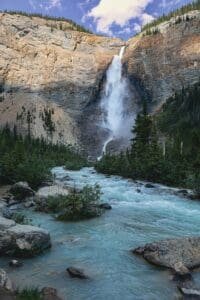
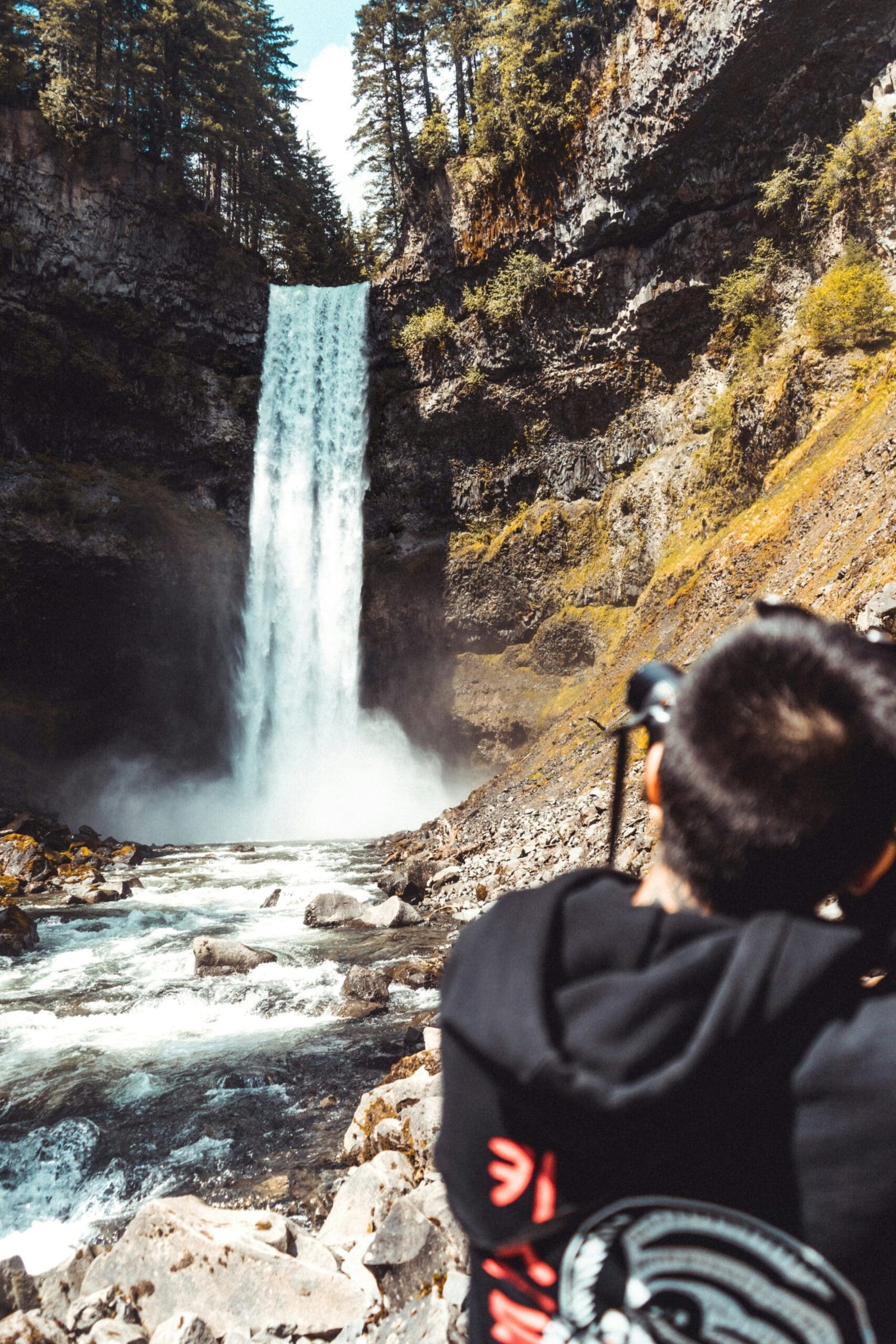
Takakkaw Falls is one of Yoho’s most impressive waterfalls. When access is available, it can be a major highlight for travellers who enjoy dramatic mountain water features.
The falls are especially powerful because of their height and mountain setting. The approach also gives visitors a strong sense of Yoho’s steep terrain.
However, access to Takakkaw Falls is seasonal, and the road is not open year-round. This makes it important to check current conditions before planning around it. If the road is closed, Emerald Lake and Natural Bridge still make Yoho highly worthwhile.
Banff National Park: The Classic Rockies Experience
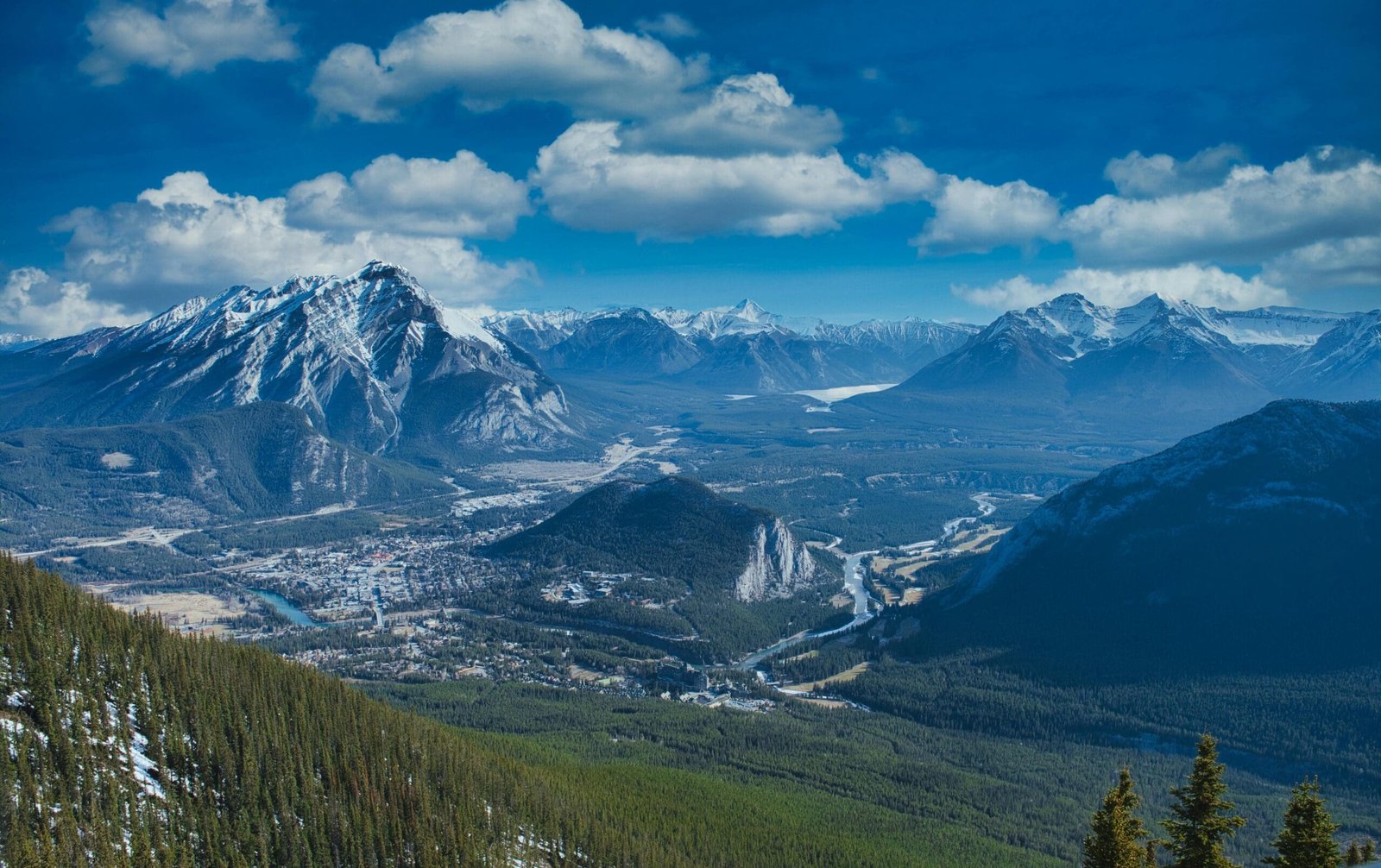
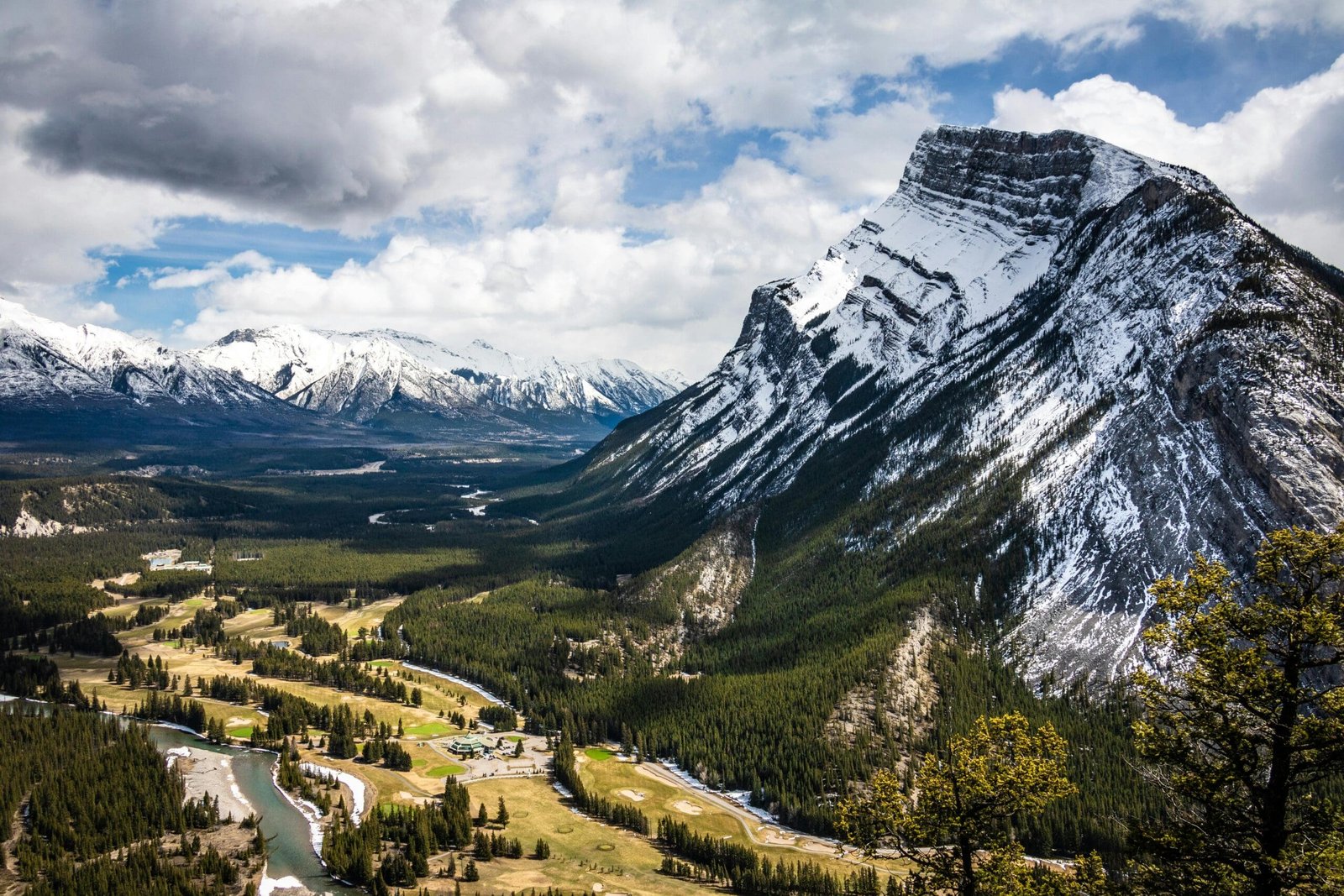
Banff National Park is the most famous national park on this route and one of the most recognized destinations in Canada. It is known for mountain scenery, turquoise lakes, wildlife habitat, hiking, viewpoints and the town of Banff.
For many travellers, Banff is the emotional centre of the Vancouver-to-Calgary journey. After crossing British Columbia’s interior and mountain passes, Banff feels like the arrival point of the classic Canadian Rockies.
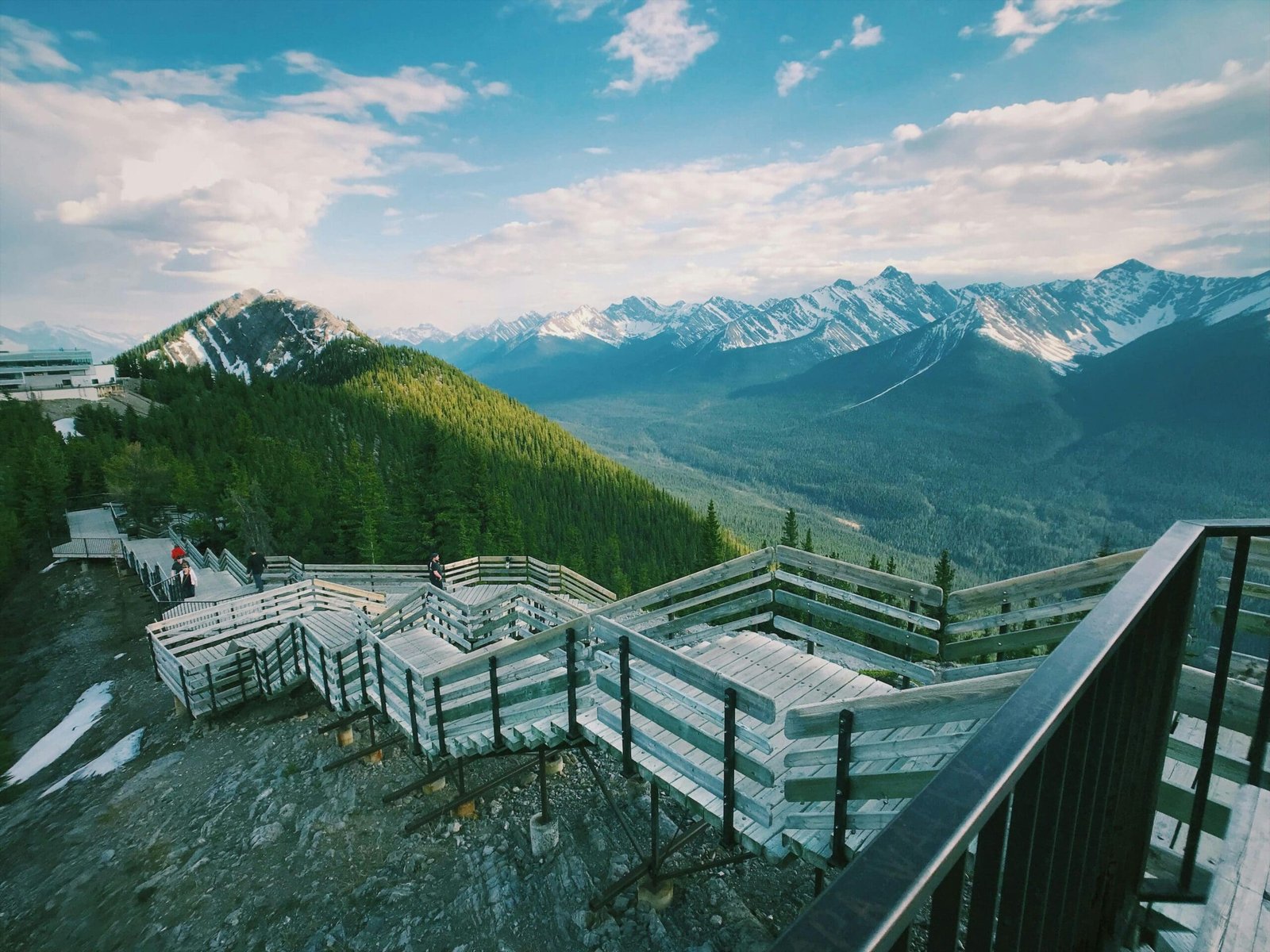
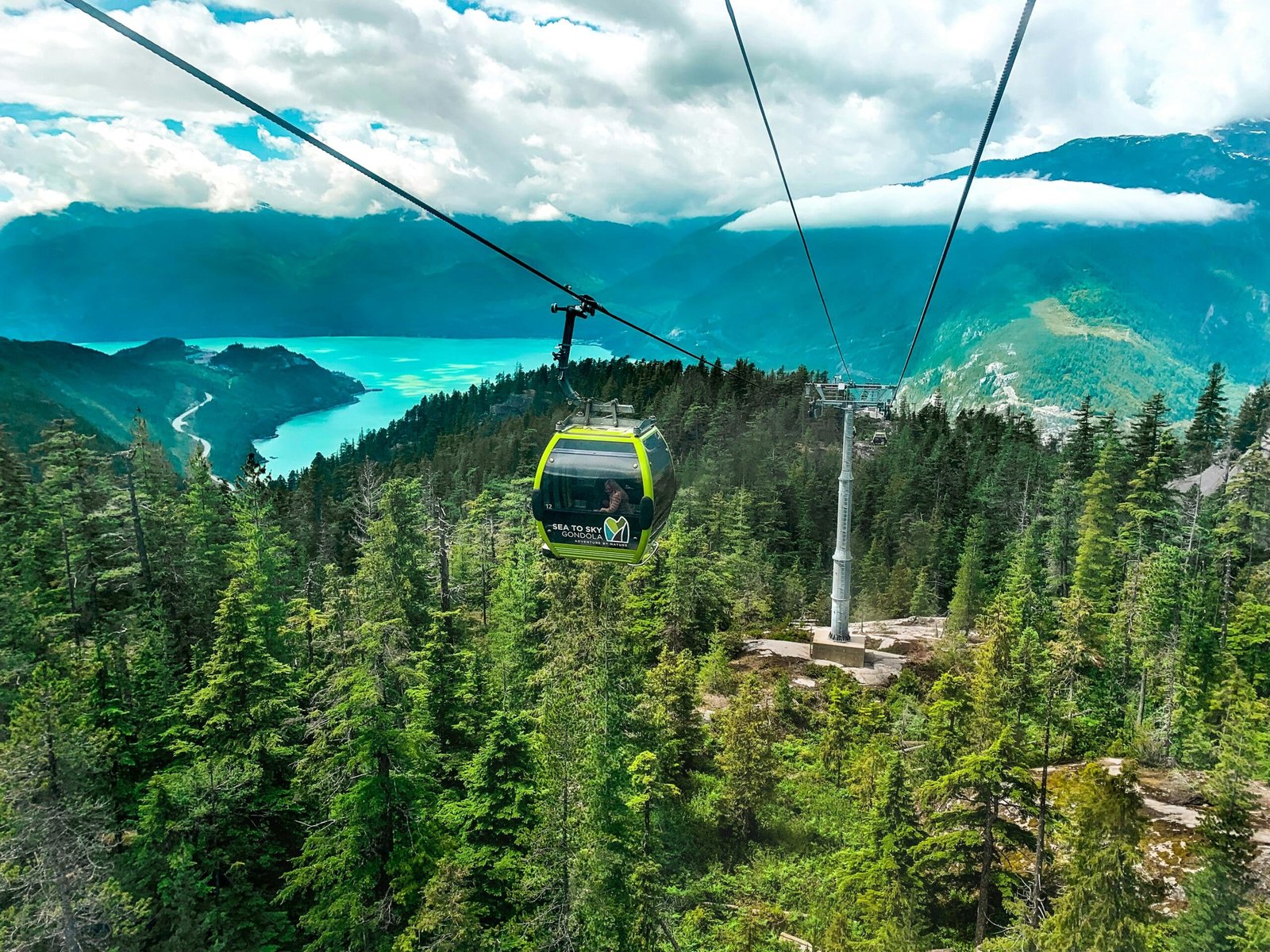
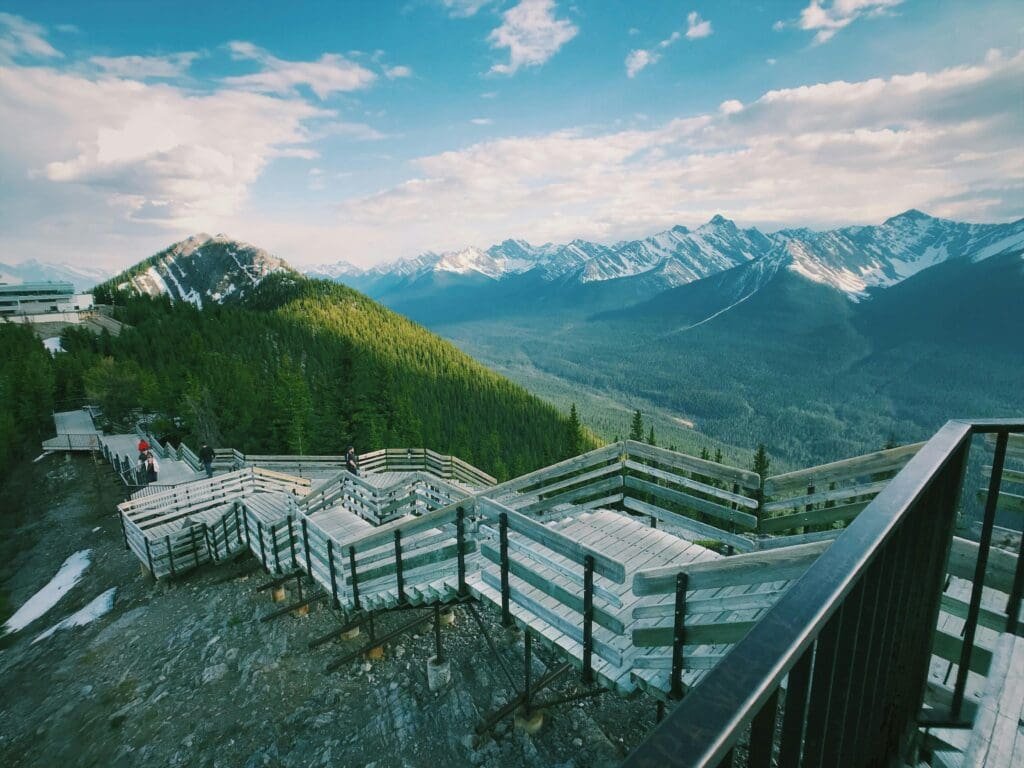
But Banff is more than one view. It includes valleys, lakes, town life, hot springs, gondolas, scenic drives, waterfalls and historic hotels. The challenge is choosing what to focus on, especially when time is limited.
Banff Town
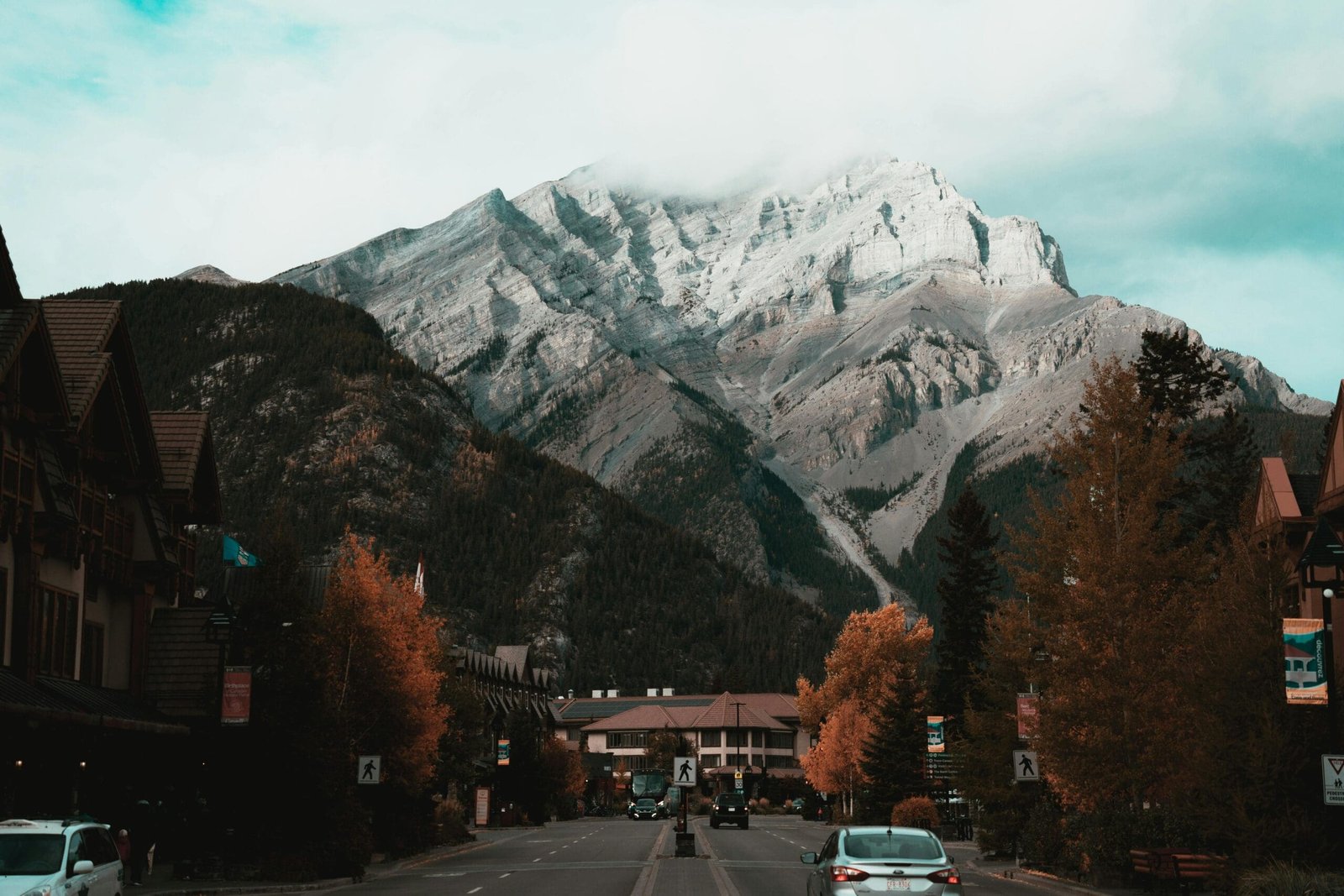
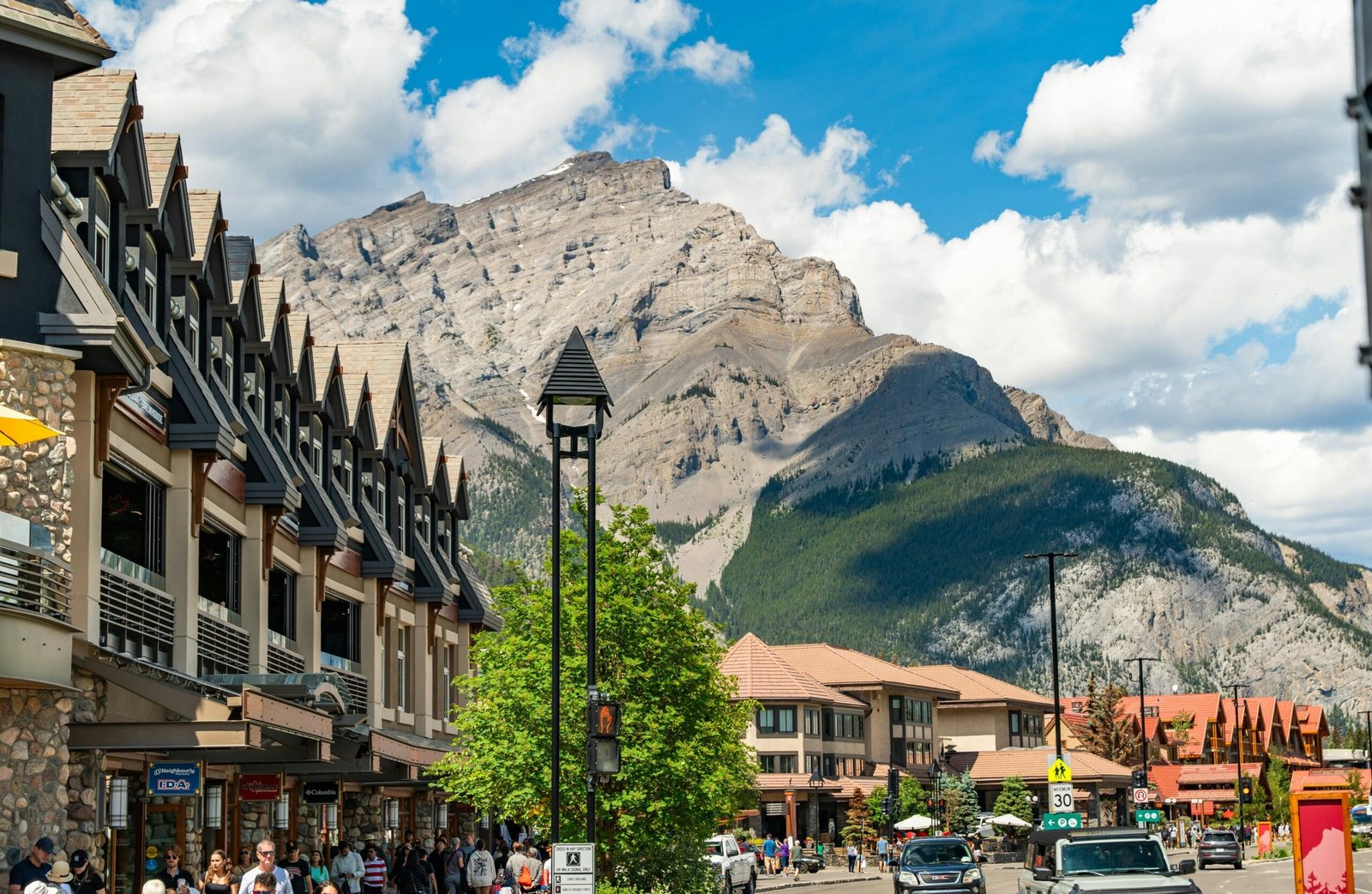
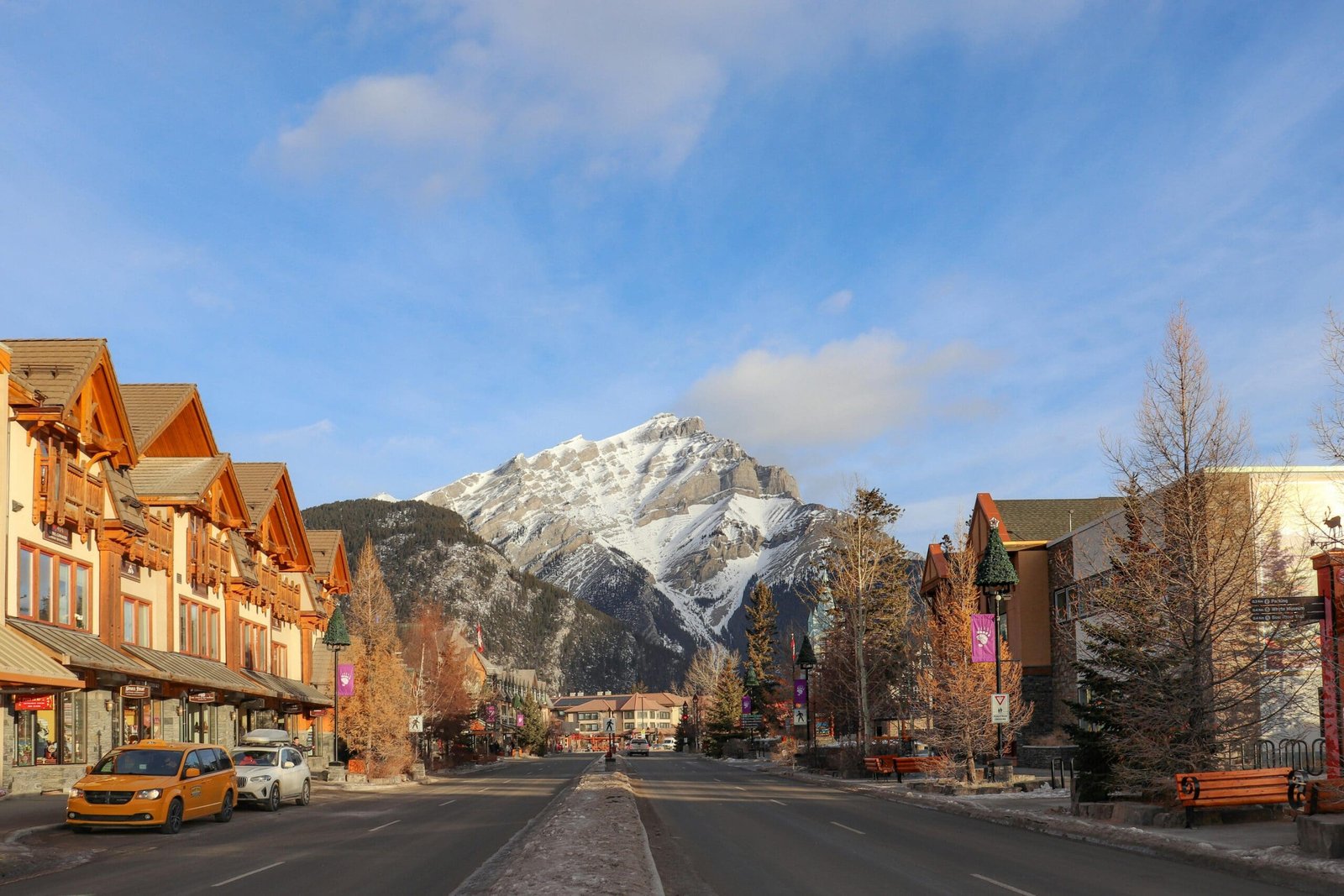
Banff town is a useful base because it combines mountain scenery with visitor services. Restaurants, cafés, shops, hotels, galleries and tour providers are all concentrated in a walkable townsite.
The town can be busy, especially in summer, but it still has value beyond logistics. Walking through Banff gives visitors a sense of being inside a mountain community surrounded by peaks.
For a route from Vancouver to Calgary, Banff works well as a place to pause, reset and explore nearby attractions without constant long-distance driving.
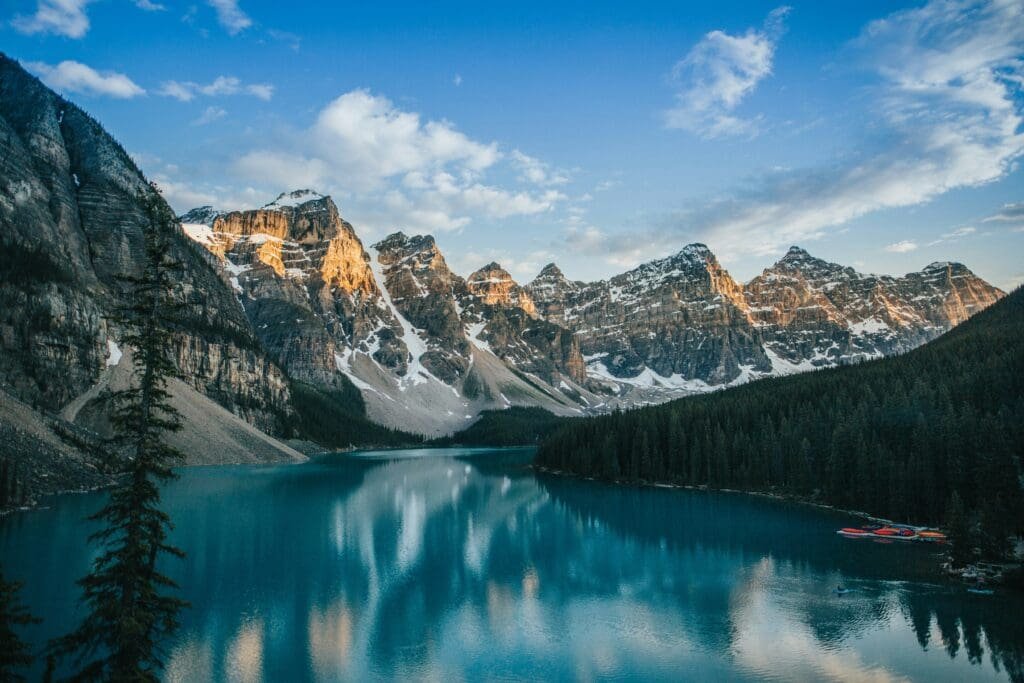
Lake Louise: The Iconic Rockies Lake
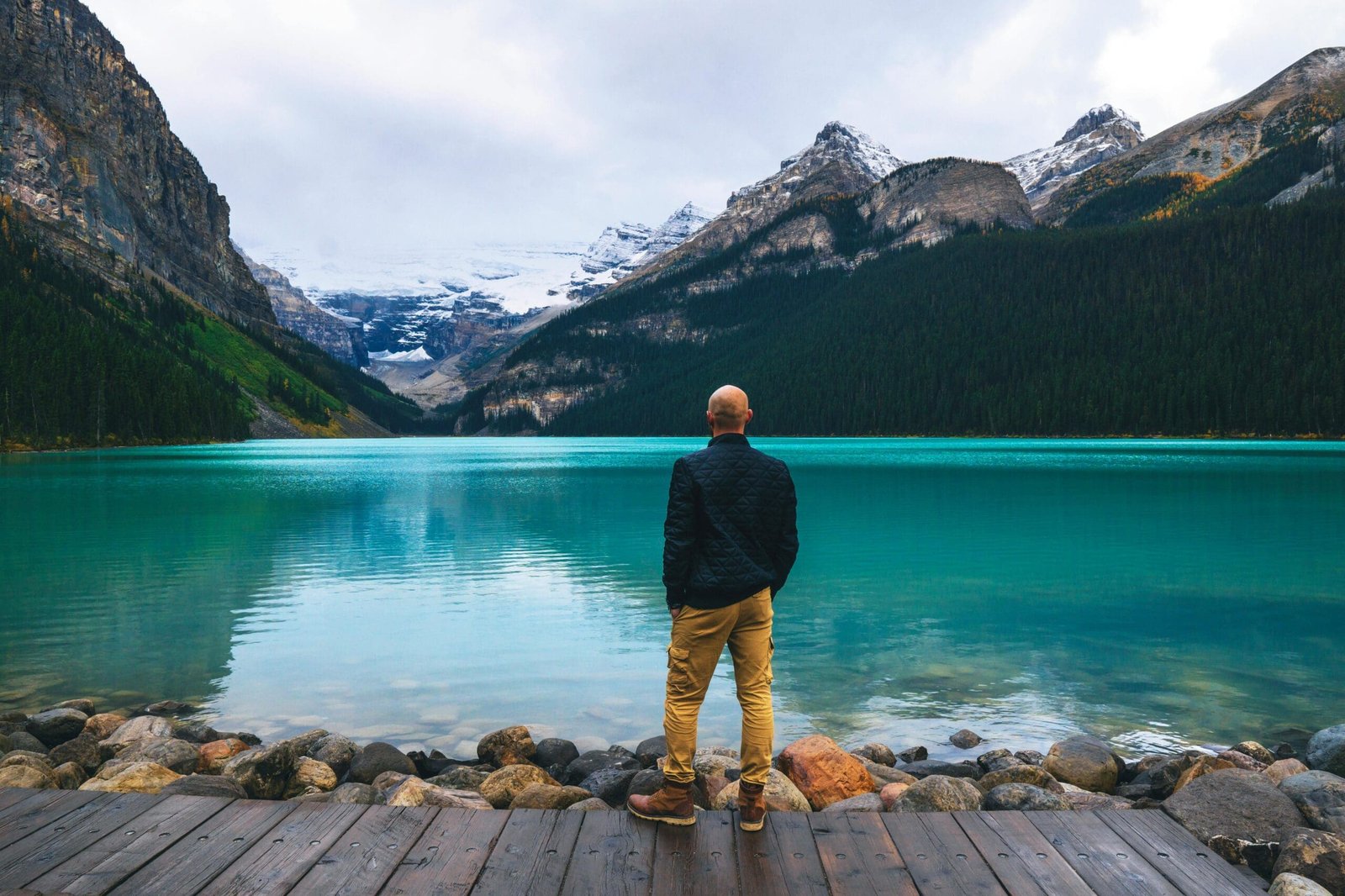
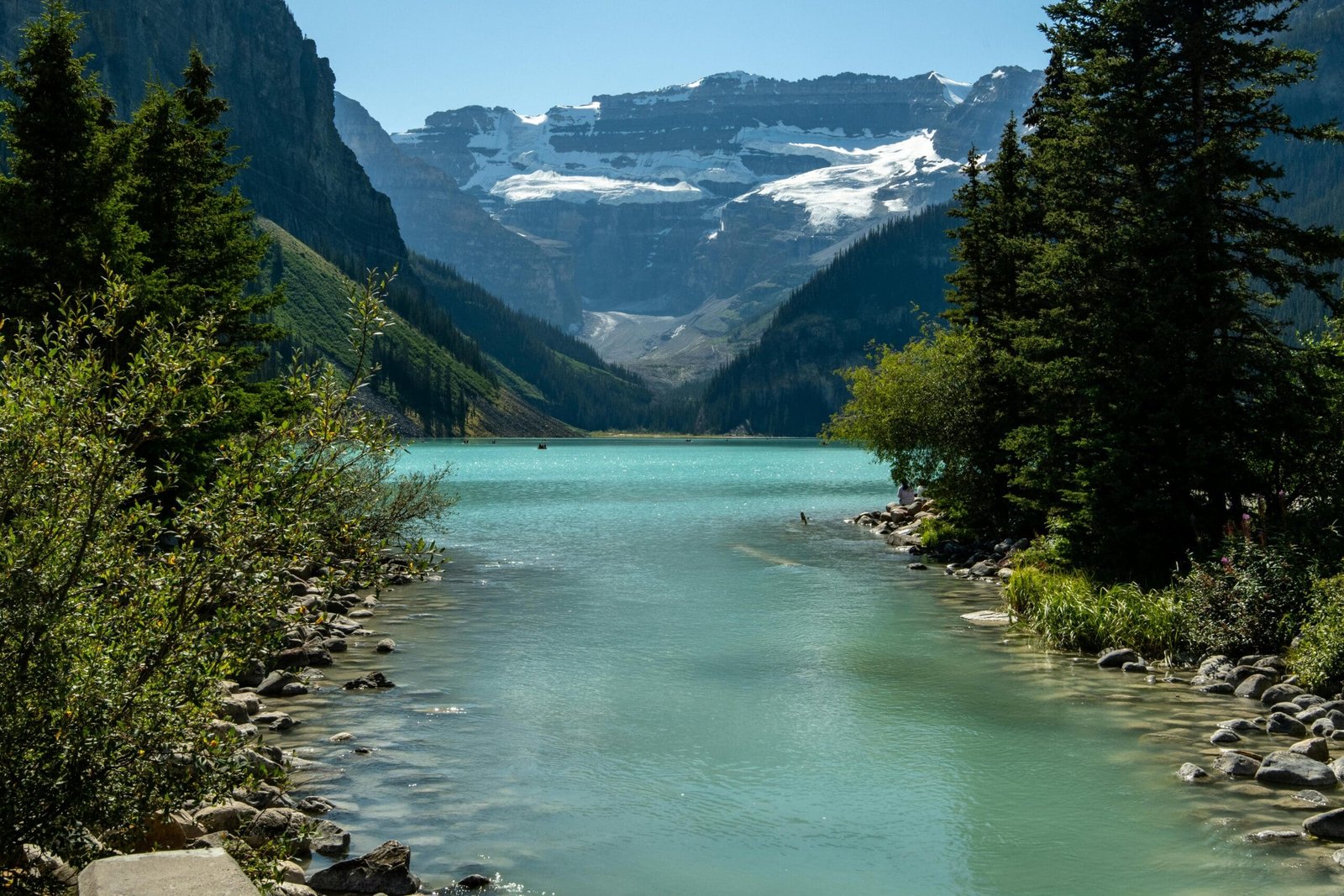
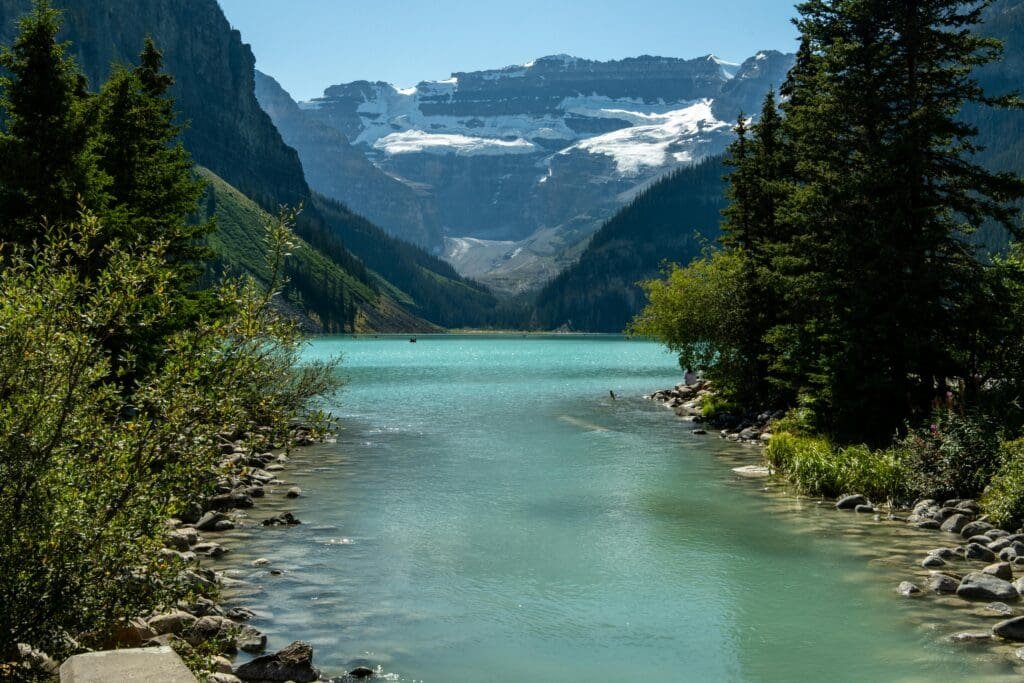
Lake Louise is one of the most famous lakes in Canada. Its turquoise colour, mountain setting and view toward Victoria Glacier make it instantly recognizable.
The lake is popular for a reason. The scene is balanced and dramatic: bright water, steep mountains, glacier views and a shoreline that is easy to access. For many visitors, Lake Louise is one of the defining moments of a Rockies trip.
But popularity also creates planning challenges. Parking, shuttle systems, peak-season crowds and weather can all affect the experience. The lake is best enjoyed when you allow enough time rather than treating it as a quick photo stop.
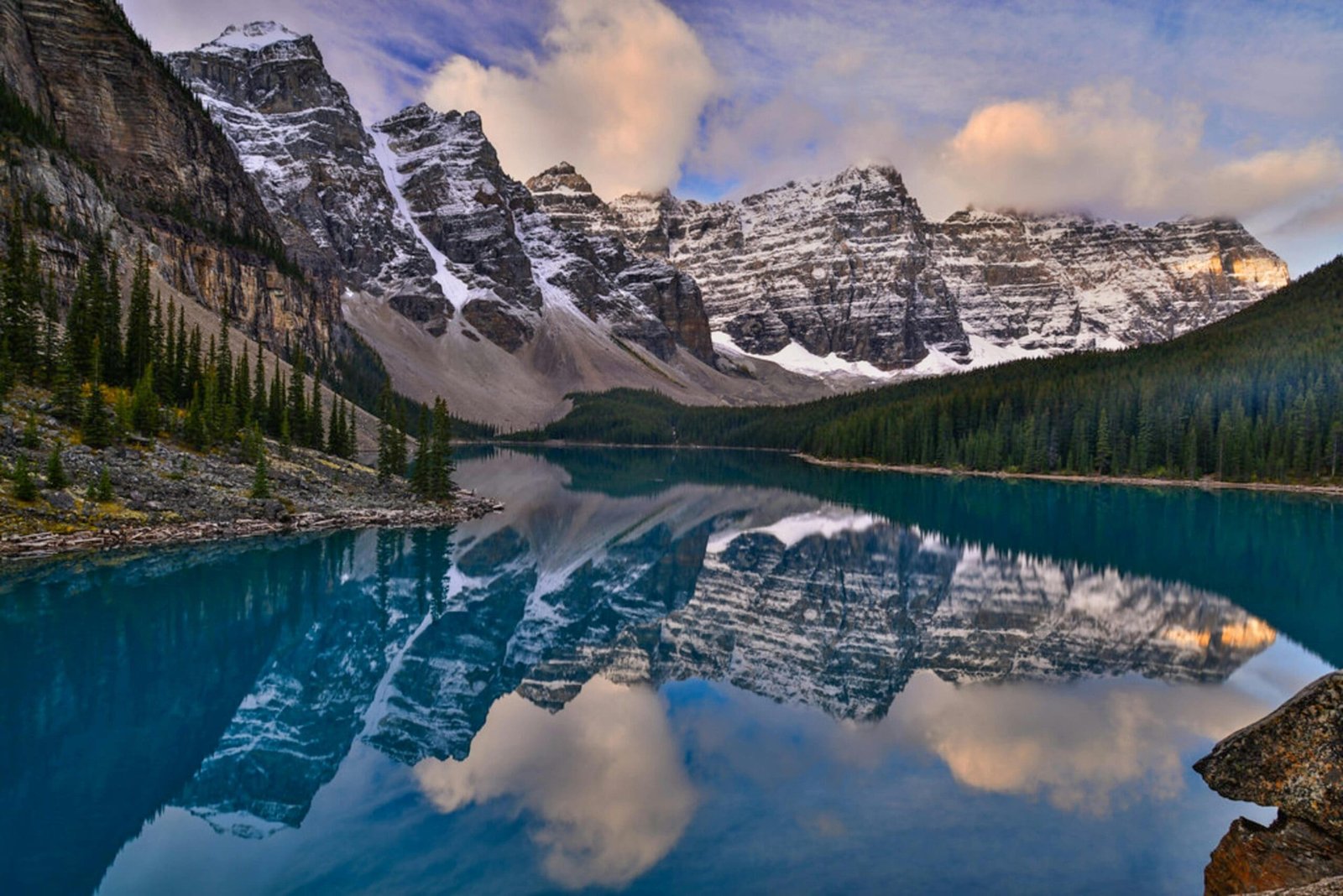
Moraine Lake: Beautiful, Seasonal and Highly Regulated
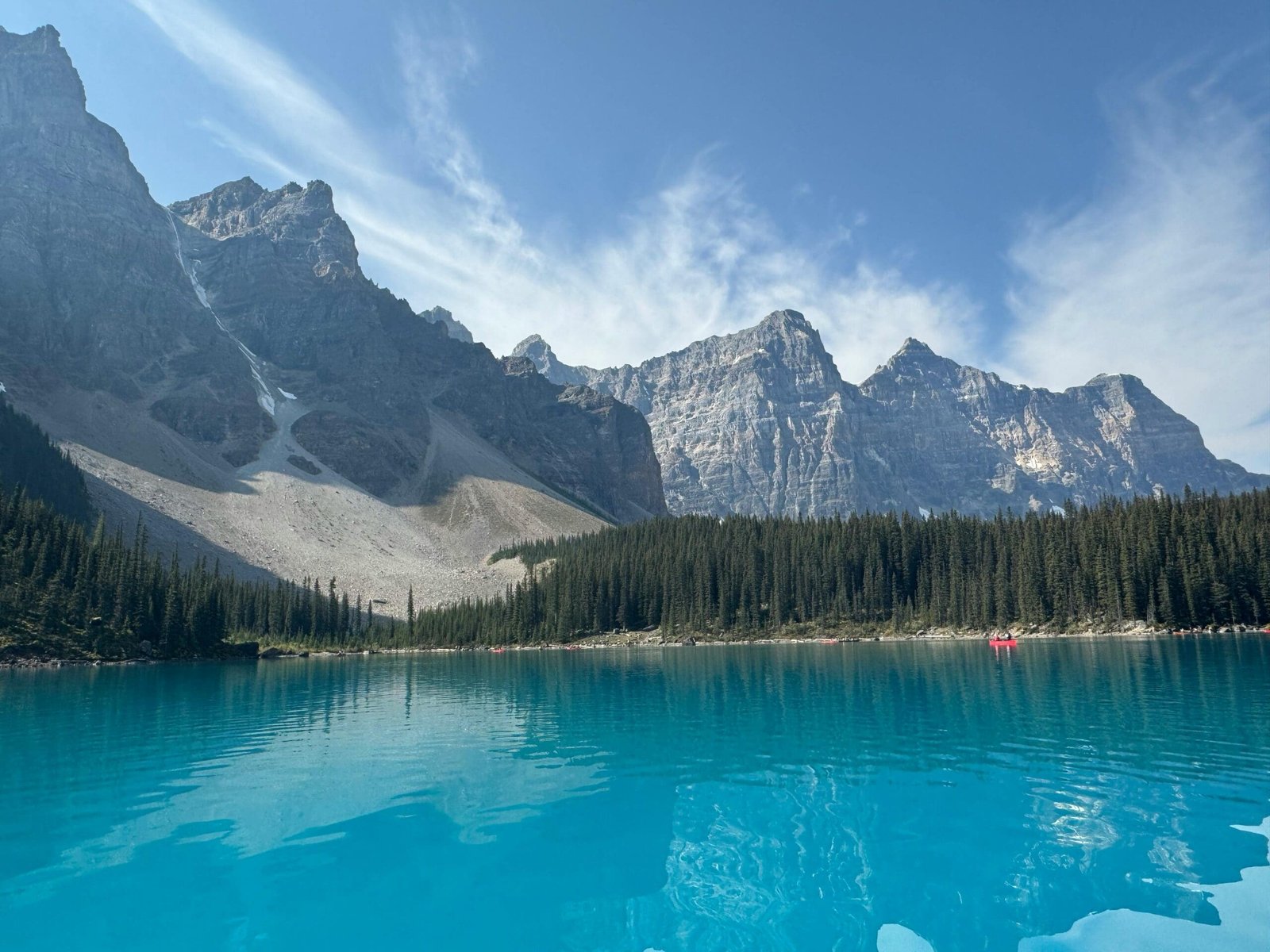
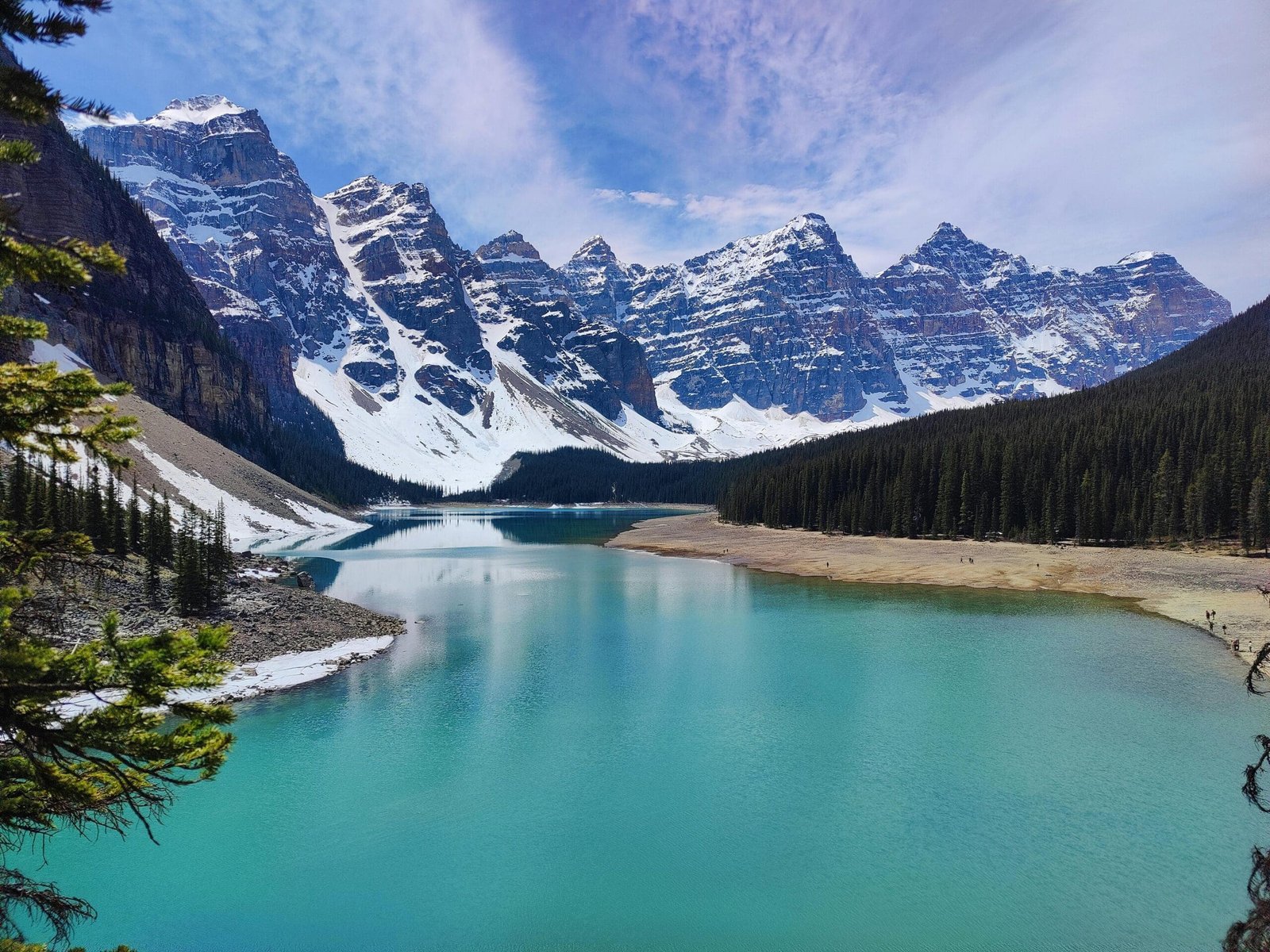
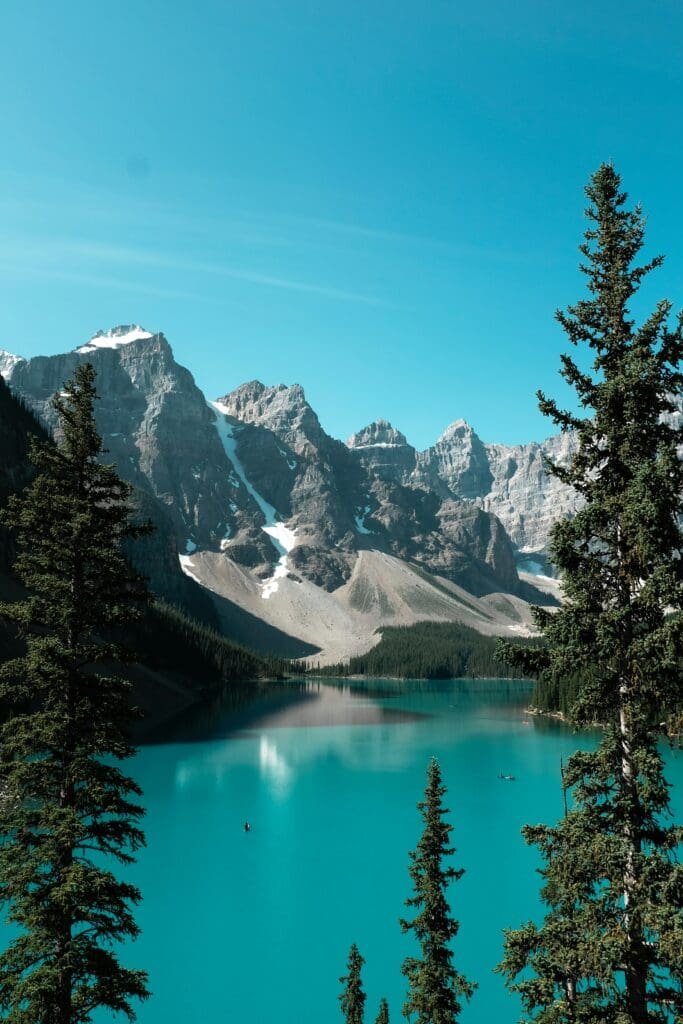
Moraine Lake is one of the most photographed places in the Canadian Rockies. It sits in the Valley of the Ten Peaks and is famous for its vivid colour and mountain backdrop.
It is also one of the places travellers most often misunderstand. Moraine Lake is seasonal and access is restricted. Visitors should not assume they can drive there independently whenever they want.
This does not make Moraine Lake less worth seeing. It makes planning more important. If access is available, it can be one of the most memorable sights on the route. If access is not available, the region still has excellent alternatives, including Lake Louise, Emerald Lake, Bow Lake, Peyto Lake, Lake Minnewanka and Banff viewpoints.
Icefields Parkway: One of Canada’s Great Scenic Drives
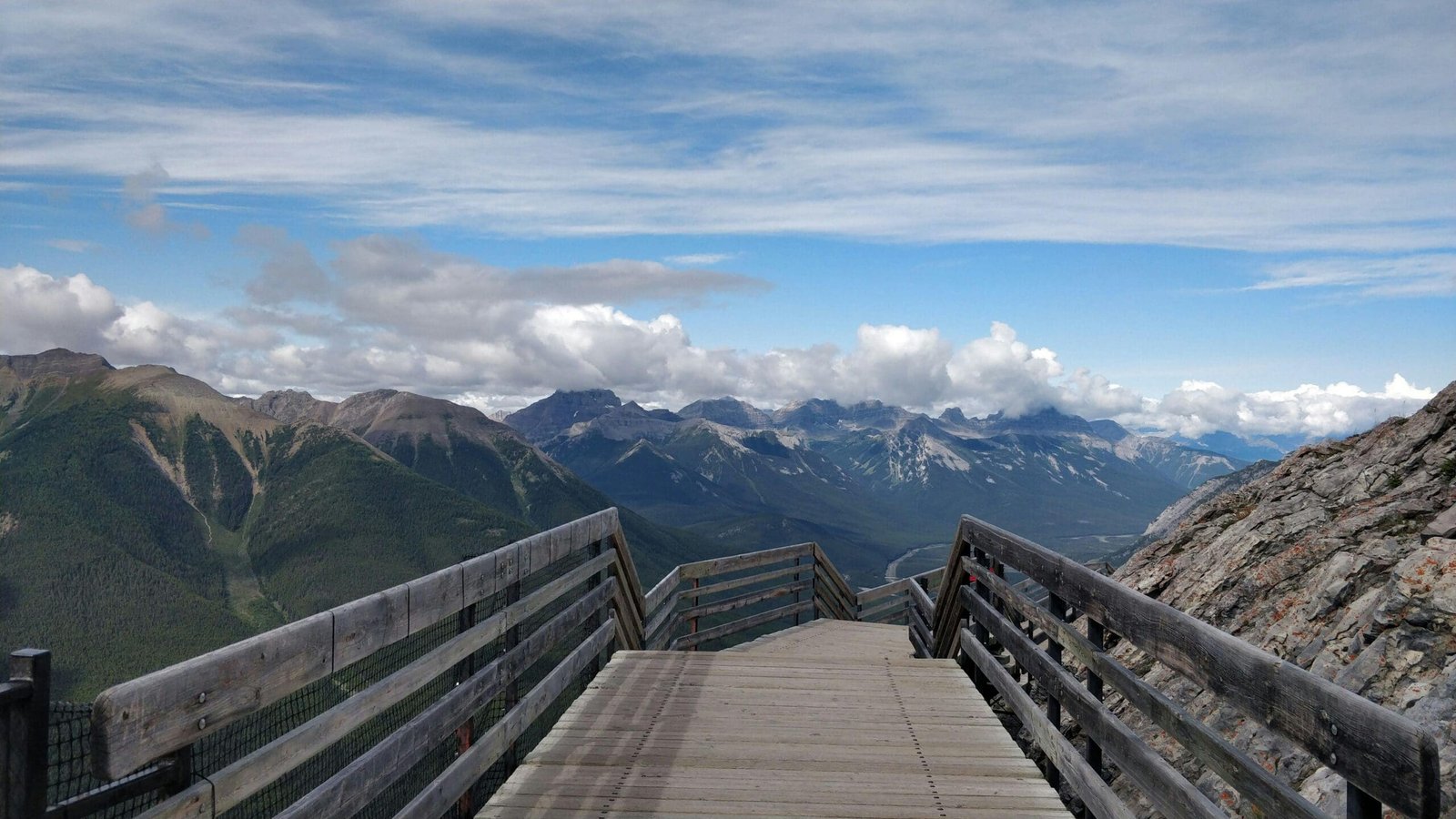
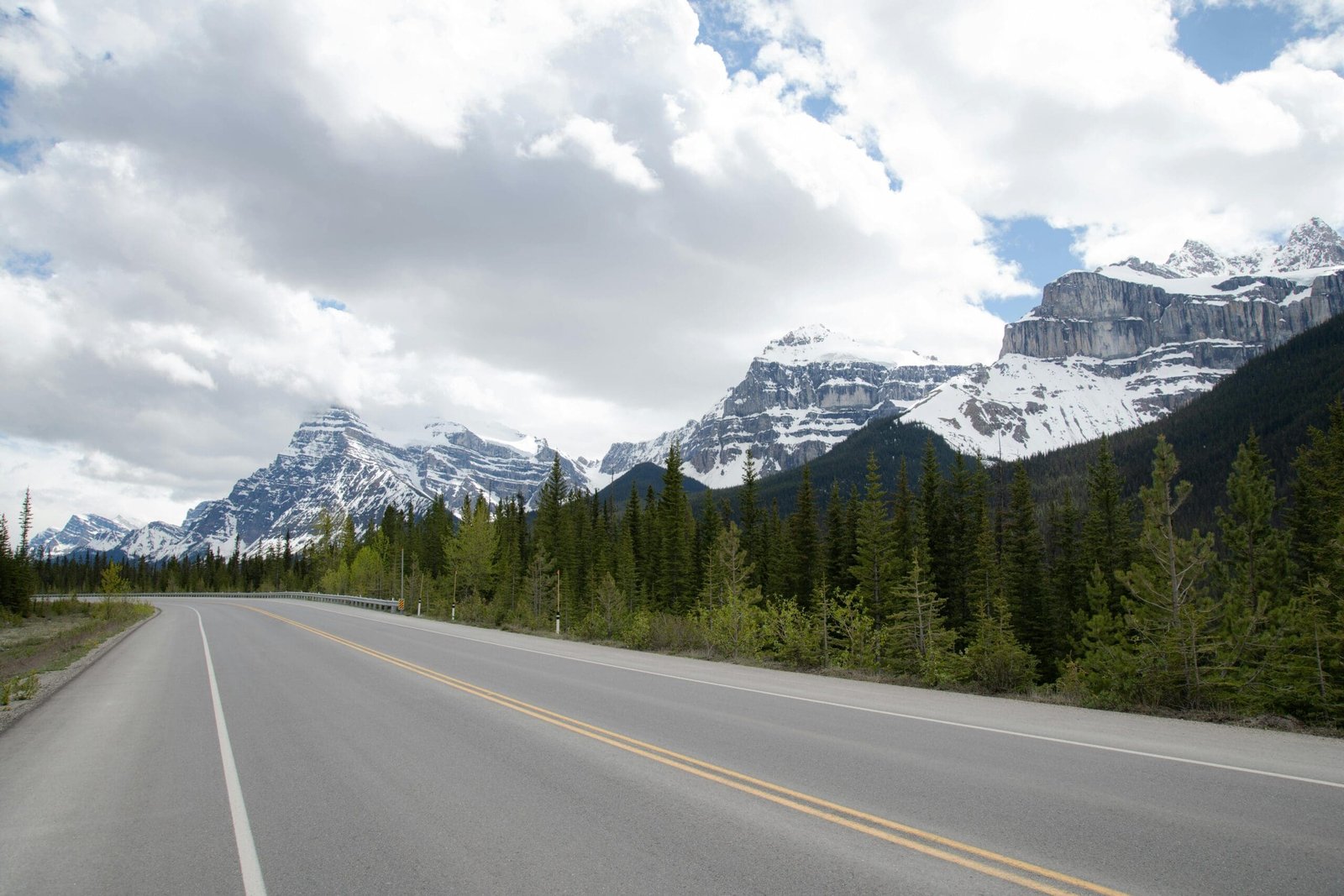
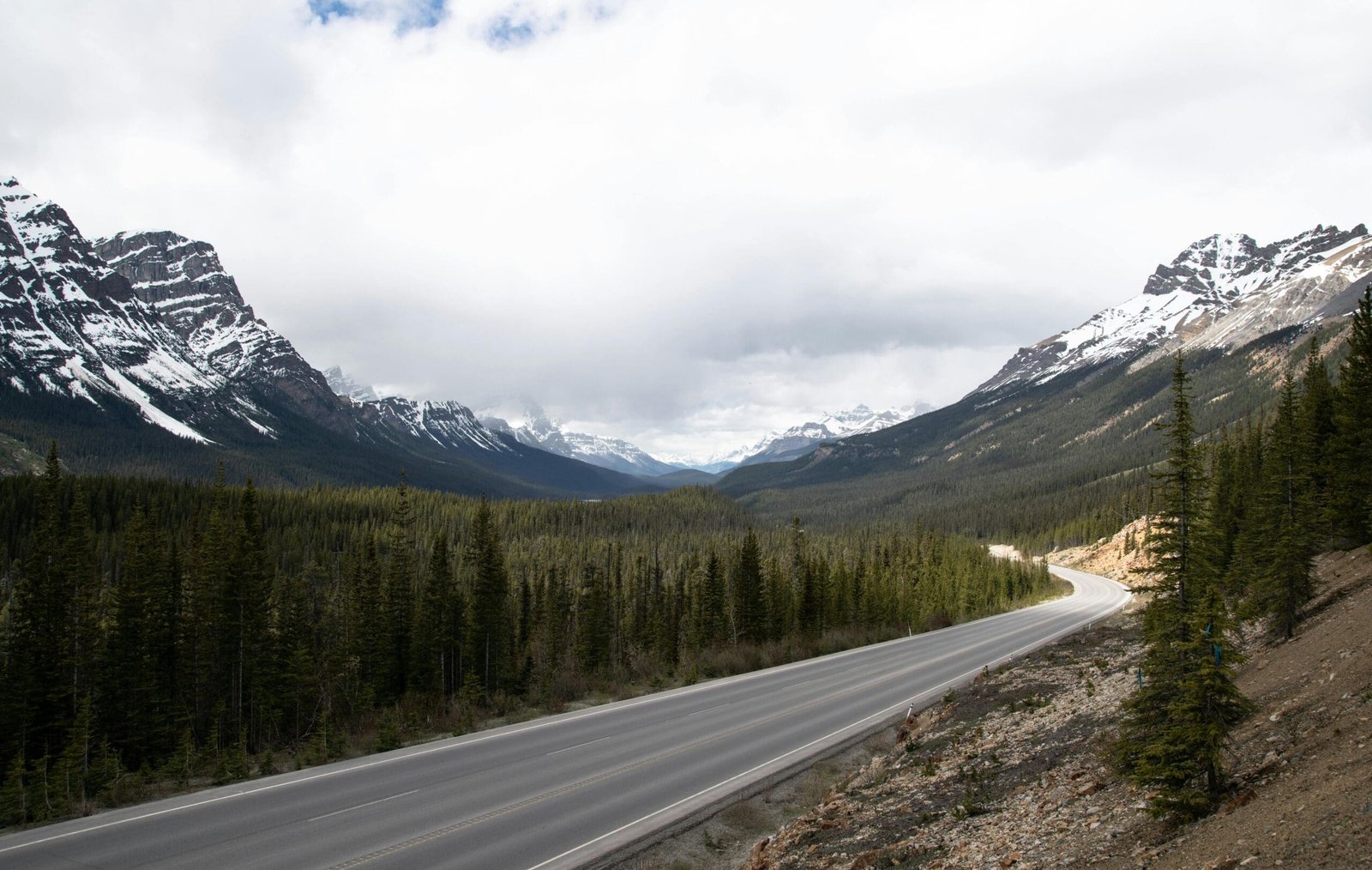
The Icefields Parkway is one of the most important scenic roads in the Canadian Rockies. It connects the Lake Louise area with Jasper through a corridor of mountains, glaciers, turquoise lakes, rivers and valleys.
Even if travellers do not drive the full distance to Jasper, the Parkway is worth understanding as one of the great landscape experiences in Canada. It is not only about one stop. Its beauty comes from the sequence of views.
The road passes through high mountain terrain, and conditions can change quickly. Services are limited in places, and a national park pass is required. Visitors should plan fuel, food, timing and weather carefully.
Bow Lake
Bow Lake is one of the classic stops along the Icefields Parkway. It offers wide mountain views, glacier-fed water and a strong sense of open alpine space.
The appeal of Bow Lake is partly its scale. It feels broad and calm compared with some of the more crowded viewpoints. On a clear day, the reflections and surrounding peaks make it a beautiful place to pause.
Bow Lake is especially valuable because it helps travellers experience the Parkway as a landscape, not just a road to the Columbia Icefield.
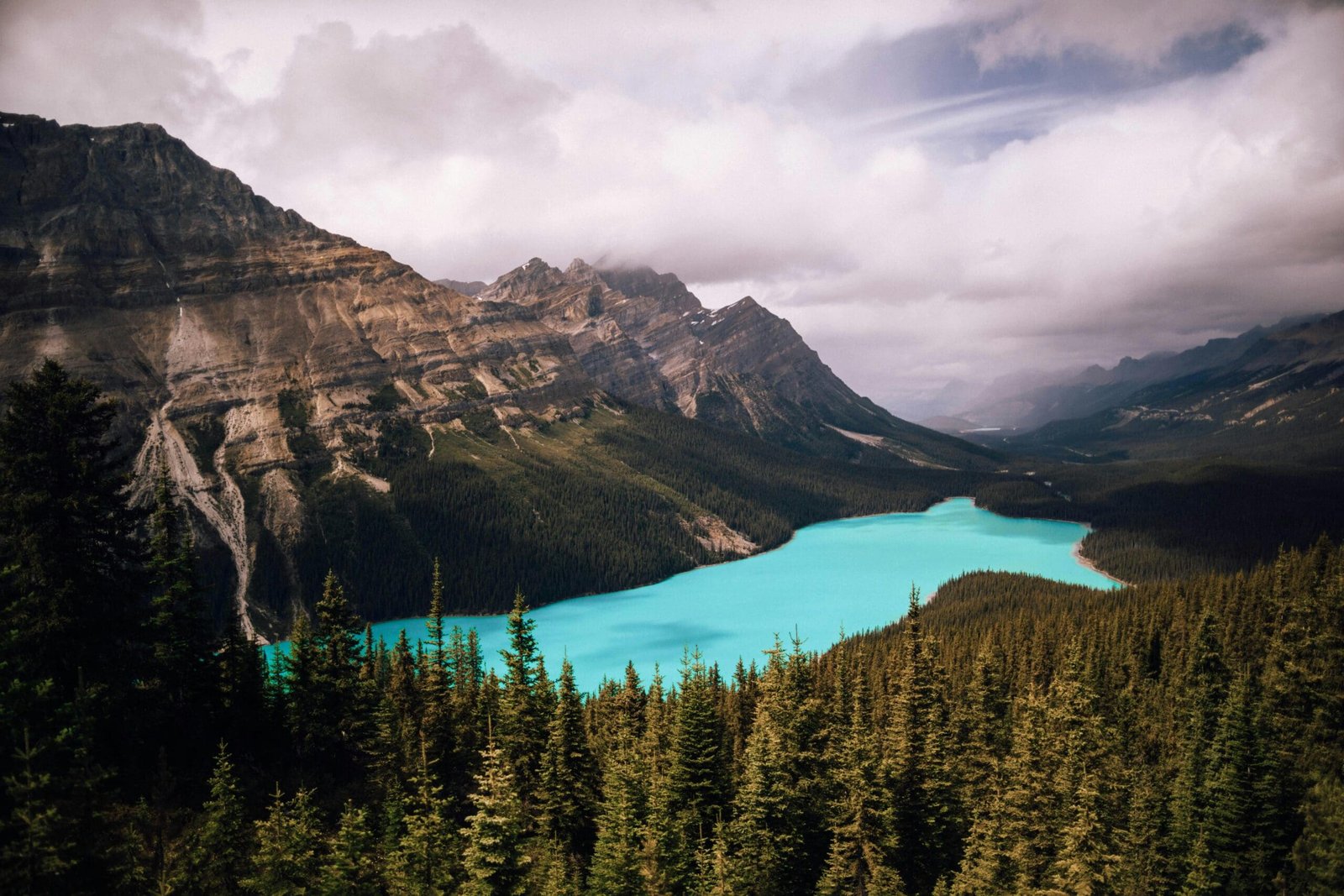
Peyto Lake
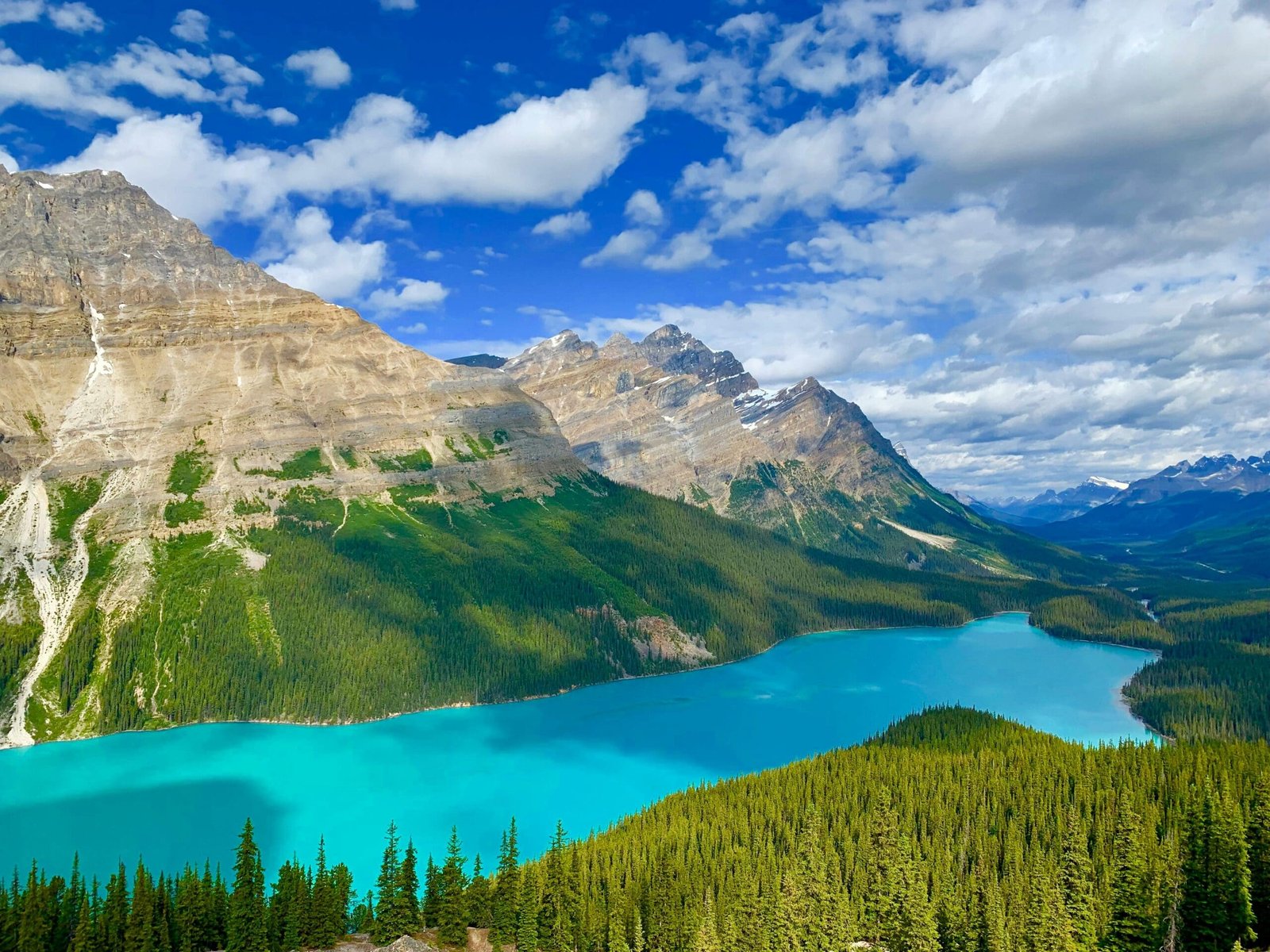
Peyto Lake is famous for its intense blue colour and high viewpoint. It is one of the most recognizable views along the Icefields Parkway.
The lake’s shape and colour make it especially photogenic. The viewpoint can be busy, but the scene is often worth the effort when weather and visibility are good.
Peyto Lake is a good example of why the Parkway should not be rushed. Some stops need time for parking, walking, waiting for a clear view and simply appreciating the scale of the landscape.
Columbia Icefield
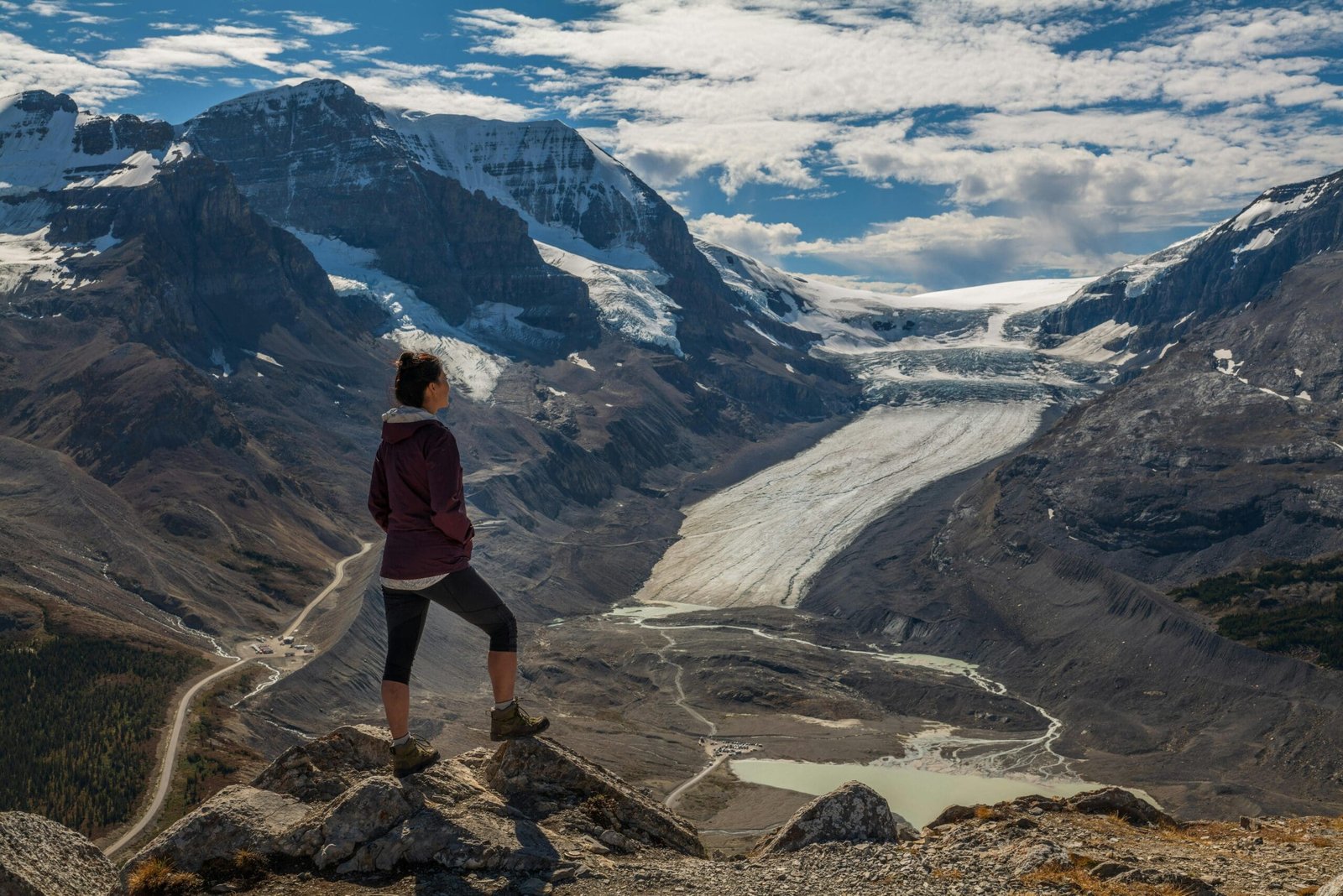
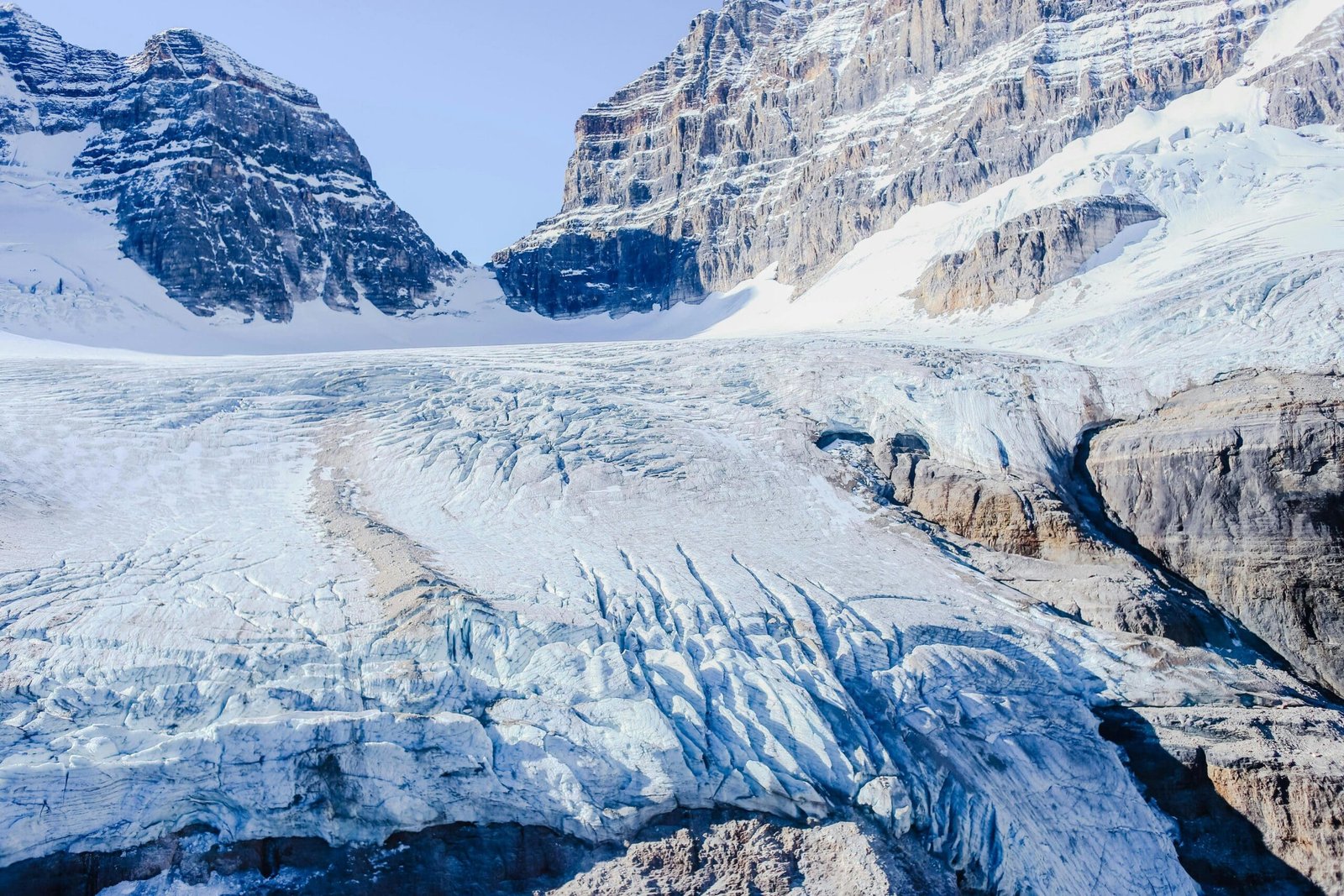
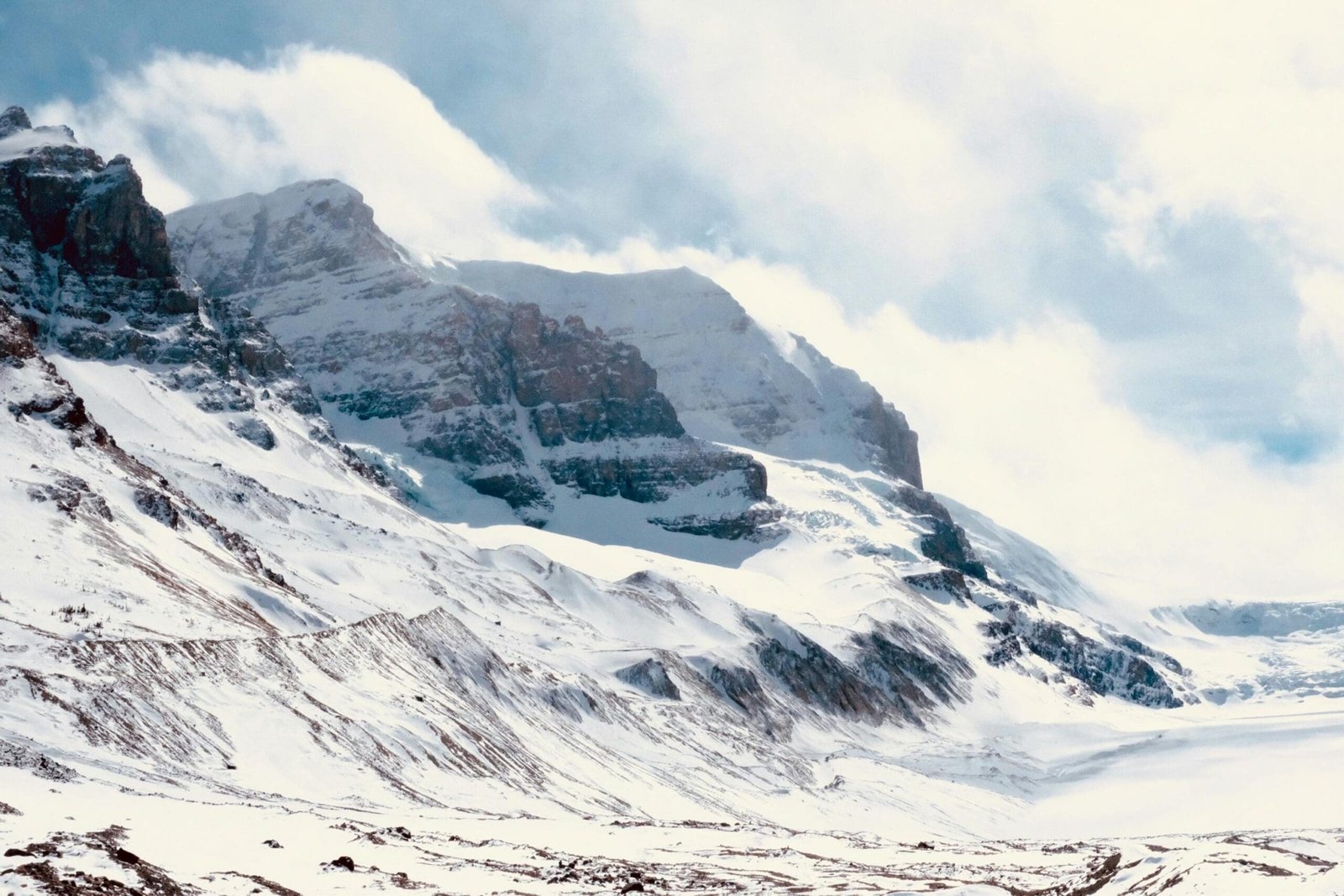
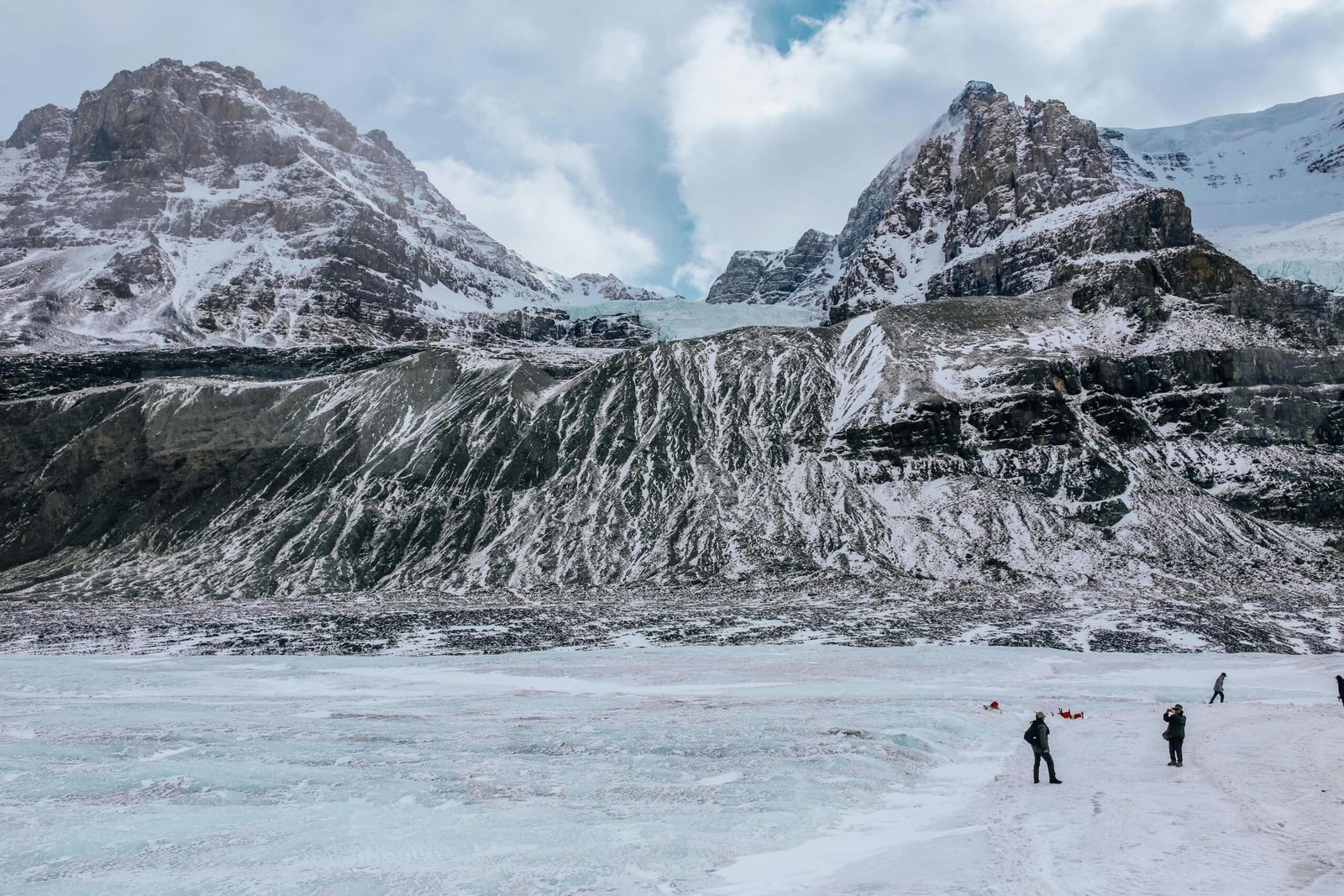
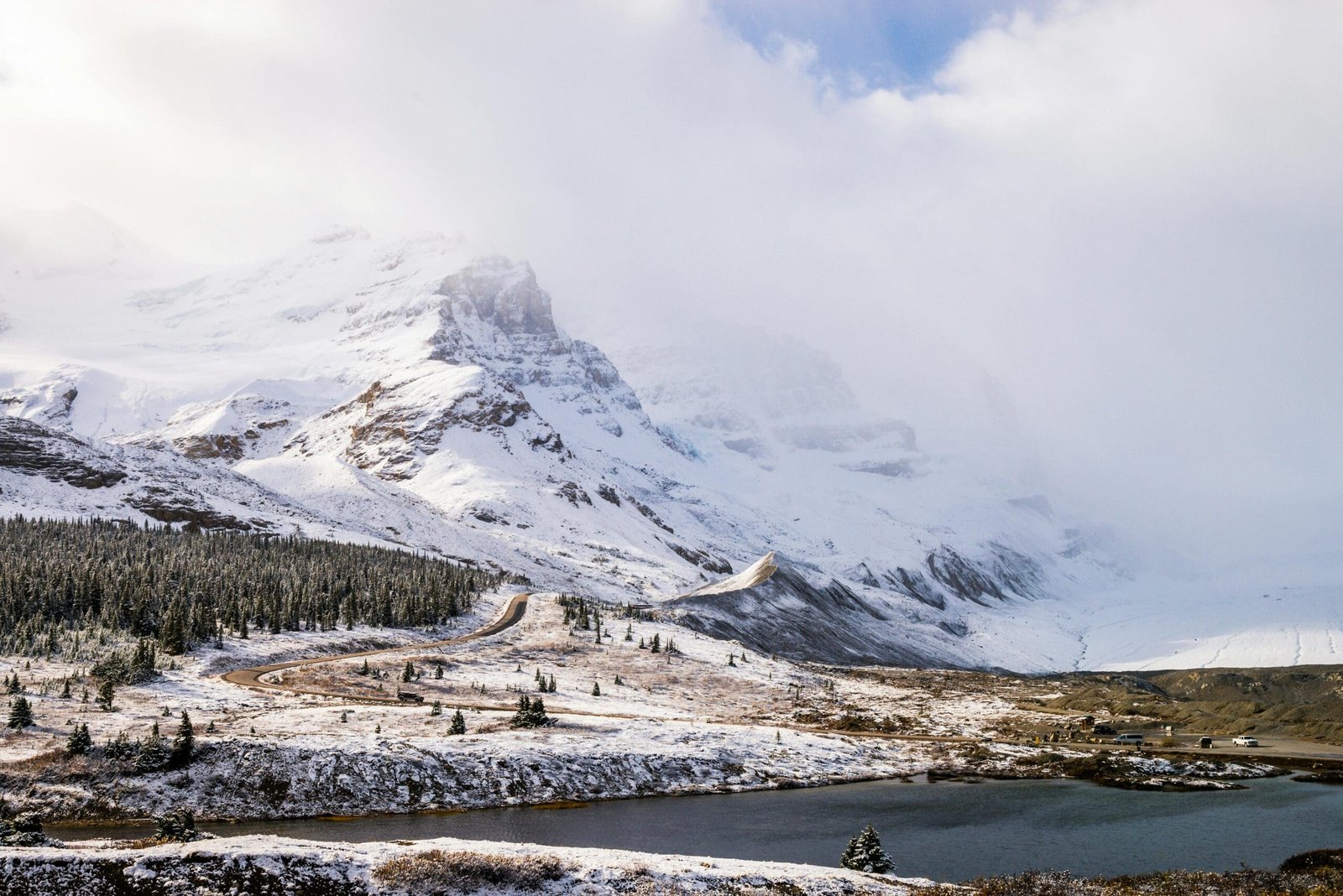
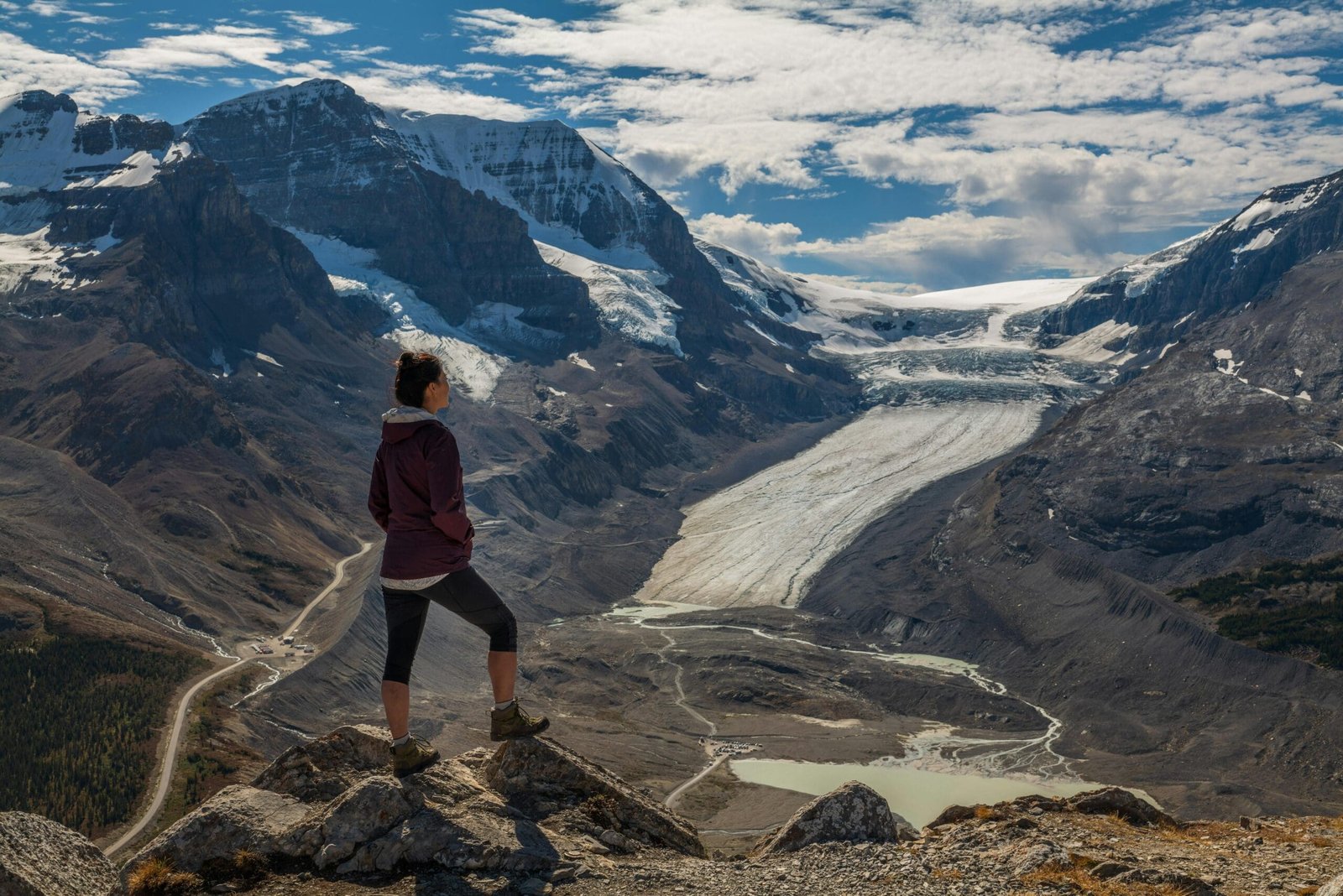
The Columbia Icefield area is one of the most powerful glacier landscapes accessible from the Icefields Parkway. It is associated with the Athabasca Glacier and optional visitor experiences such as glacier vehicles and the glass-floored Skywalk.
For many visitors, this area creates a deeper reaction than a lake viewpoint. Glaciers are beautiful, but they also make the landscape feel ancient, fragile and changing.
The Columbia Icefield is best visited with realistic expectations. Optional experiences are seasonal and weather-dependent, and mountain conditions can change quickly. Even without an add-on activity, the surrounding scenery is one of the strongest parts of the Rockies route.
Canmore: A Softer Mountain Stop Before Calgary
Canmore sits east of Banff and often feels more relaxed than the main Banff townsite. It is surrounded by peaks and has a strong mountain-town identity, but it can feel slightly less formal and less tourist-centred.
For travellers continuing toward Calgary, Canmore is a useful final mountain stop. It gives the route a gentler ending before the landscape opens toward Alberta’s foothills and prairie.
Canmore works well for a coffee break, a short walk, a meal or one last mountain-view pause before leaving the Rockies.
Calgary: The Route’s Urban Finish
Calgary marks the end of the mountain journey for many travellers. After several days of lakes, valleys, passes and national parks, Calgary offers airport access, hotels, restaurants and city services.
The transition from Banff or Canmore to Calgary is also geographically interesting. The mountains gradually fall behind, the foothills open up, and the route begins to feel more urban.
For visitors flying out after a Rockies trip, Calgary is a practical finish. For those with more time, the city can also add museums, food, neighbourhoods and cultural events to the end of the journey.
Best Time to See These Places
The best time to explore the major sights between Vancouver and Calgary depends on what you want most.
Summer usually offers the broadest access, longest daylight and easiest sightseeing conditions. It is the best season for travellers who want the highest chance of seeing lakes, mountain passes, Yoho, Banff, the Icefields Parkway and seasonal attractions with fewer access limitations.
Early autumn can be excellent. September often brings cooler temperatures, softer light and strong scenery. Some areas may feel calmer than peak summer, although popular places like Lake Louise and Moraine Lake still require planning.
Spring can be beautiful but more variable. Some lakes may still be frozen, high-elevation areas may have snow, and seasonal roads or attractions may not yet be open. Waterfalls and rivers can be impressive, but travellers should check access carefully.
Winter creates a completely different experience. Banff, Lake Louise and Canmore can be beautiful in snow, but a full Vancouver-to-Calgary sightseeing route becomes more complex because of winter driving, shorter daylight, seasonal closures and mountain conditions.
Common Planning Mistakes
One common mistake is trying to see too much. The route has many famous places, but each one takes time. Driving, parking, walking, photos, meals and weather delays all add up.
Another mistake is assuming that every attraction is available year-round. Moraine Lake, Takakkaw Falls, glacier experiences and some mountain roads or services are seasonal or restricted.
A third mistake is booking accommodation too late. Popular areas such as Banff, Lake Louise, Canmore, Revelstoke and Kelowna can fill quickly in peak travel periods.
Travellers also underestimate mountain weather. Conditions can shift between valleys, passes, lakes and icefield areas, even on the same day.
How to Choose Which Places Matter Most
If your priority is lake scenery, focus on Lake Louise, Moraine Lake, Emerald Lake, Bow Lake and Peyto Lake.
If your priority is glaciers, focus on the Icefields Parkway and Columbia Icefield.
If your priority is mountain towns, spend more time in Revelstoke, Banff and Canmore.
If your priority is variety, include the Okanagan, Yoho and Banff rather than only chasing the most famous viewpoints.
If your priority is photography, plan around light, weather and fewer rushed stops.
There is no perfect universal route. The best version depends on season, available time, accommodation, access rules and travel style.
Is This Route Better Than Starting in Calgary?
Starting in Calgary is easier if your main goal is Banff and Lake Louise. The driving distance is shorter, and you can reach the Rockies quickly.
Starting in Vancouver is better if you want the full west-to-east transition: coast, interior valleys, Okanagan, Revelstoke, national parks and then Alberta. It feels more like a journey across Western Canada rather than a short mountain getaway.
Neither option is wrong. They serve different travel goals. Vancouver to Calgary is better for travellers who value route variety. Calgary to Banff is better for travellers with limited time focused mainly on Alberta’s Rockies.
Who Will Enjoy This Route Most?
This route is ideal for travellers who want a broad introduction to Western Canada. It works especially well for people who enjoy scenic drives, changing landscapes, photography, mountain towns, national parks and famous viewpoints.
It is also a strong choice for couples, families and small groups who want to experience several regions in one trip without flying between every destination.
It may not be the best choice for travellers who dislike long driving days or want to stay in one place. For slower travel, it is better to spend more nights in fewer destinations.
Final Thoughts
The journey between Vancouver and Calgary is one of the best ways to understand the scale and variety of Western Canada. The route moves from coastal British Columbia into the Okanagan Valley, through Revelstoke and Glacier National Park, across Yoho and Banff, past turquoise lakes and icefields, and finally toward Calgary.
The most famous places — Lake Louise, Moraine Lake, Banff and the Icefields Parkway — deserve their reputation. But the route is strongest when you also appreciate the places between them: the Okanagan’s warm valleys, Revelstoke’s mountain character, Rogers Pass, Emerald Lake, Natural Bridge, Bow Lake, Peyto Lake and Canmore.
This is not a route to rush. The best experience comes from choosing meaningful stops, checking seasonal access, respecting mountain conditions and allowing enough time to enjoy the landscapes instead of simply passing through them.
Prefer a Planned Route Through These Places?
If you would rather avoid managing long-distance driving, daily route planning, seasonal access checks and stop-by-stop logistics, Arrow Travel & Transit offers a private Rocky Mountains route between Vancouver and Calgary.
Prefer a Planned Route Through These Places?
If you would rather avoid managing long-distance driving, daily route planning, seasonal access checks and stop-by-stop logistics, Arrow Travel & Transit offers a private Rocky Mountains route between Vancouver and Calgary.
FAQ
Find quick answers about our tours, booking process, and what to expect.
What are the best places to see between Vancouver and Calgary?
Some of the best places to see between Vancouver and Calgary include the Okanagan Valley, Kelowna, Revelstoke, Glacier National Park, Rogers Pass, Yoho National Park, Emerald Lake, Banff, Lake Louise, Moraine Lake, Icefields Parkway, Columbia Icefield, Canmore and Calgary.
Is the drive from Vancouver to Calgary scenic?
Yes. The drive from Vancouver to Calgary is very scenic because it crosses coastal mountains, interior valleys, lake country, mountain passes, national parks, glacier landscapes and the Canadian Rockies
Is Lake Louise worth visiting?
Yes. Lake Louise is one of the most iconic lakes in Canada, known for turquoise water, mountain scenery and views toward Victoria Glacier. It is very popular, so planning ahead is important.
Is Moraine Lake easy to visit?
Moraine Lake is beautiful but not always easy to visit. Access is seasonal and restricted, and visitors should check current transportation and reservation rules before planning around it.
Is it better to start in Vancouver or Calgary?
Starting in Vancouver is better if you want to experience the full transition from coast to interior valleys and the Rockies. Starting in Calgary is easier if your main focus is Banff, Lake Louise and nearby Alberta Rockies highlights.
What is special about the Icefields Parkway?
The Icefields Parkway is special because it passes through some of the most dramatic mountain scenery in the Canadian Rockies, including lakes, glaciers, valleys, rivers and high peaks.
Is Yoho National Park worth stopping at?
Yes. Yoho National Park is worth stopping at for Emerald Lake, Natural Bridge, waterfalls, rivers and dramatic mountain scenery west of the Continental Divide.
Should I spend time in Revelstoke?
Yes, Revelstoke is a valuable stop because it adds mountain-town character, railway history and access to the Columbia Mountains before the route continues toward Glacier National Park and Rogers Pass.
What is the best season to travel between Vancouver and Calgary?
Summer offers the broadest access and longest daylight. Early autumn is also excellent for scenery and cooler temperatures. Spring and winter can be beautiful but require more planning because of snow, closures and changing road conditions.
Can you see these places in five days?
You can see many major highlights in five days if the route is planned carefully, but it will be a highlights trip, not a deep exploration. A slower trip would require more days.