 Bridal Veil Falls: A Gentle Start to the Day
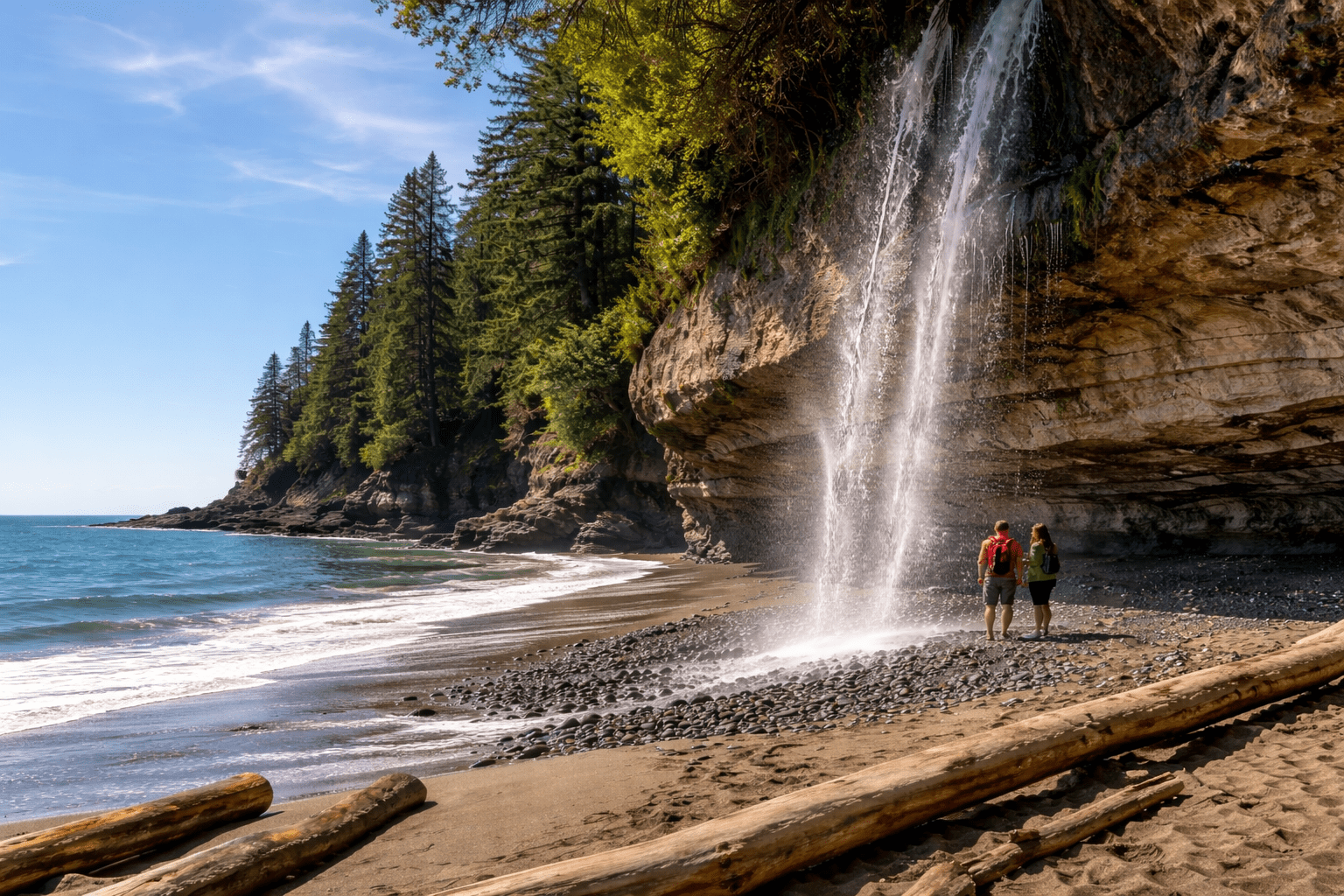
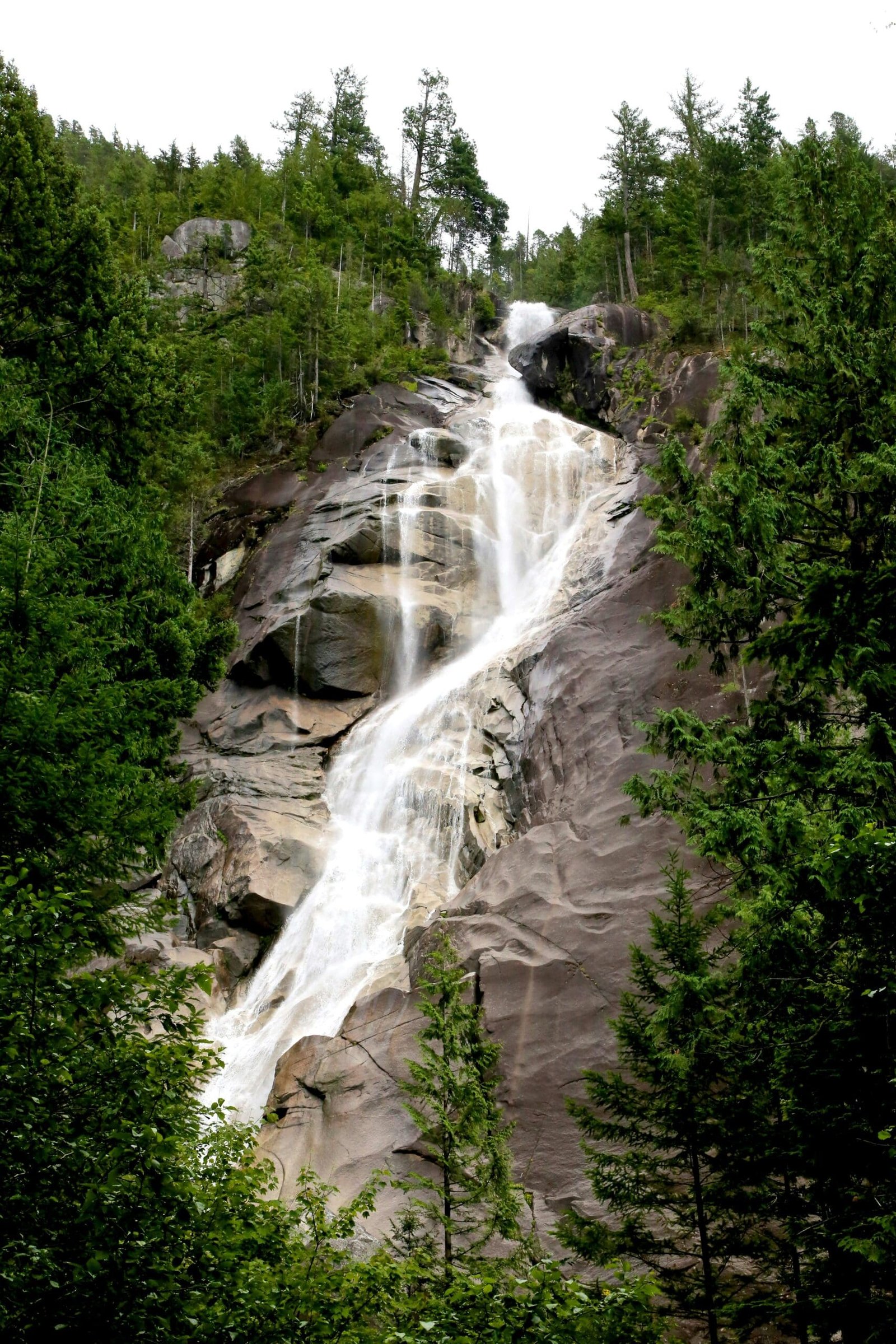
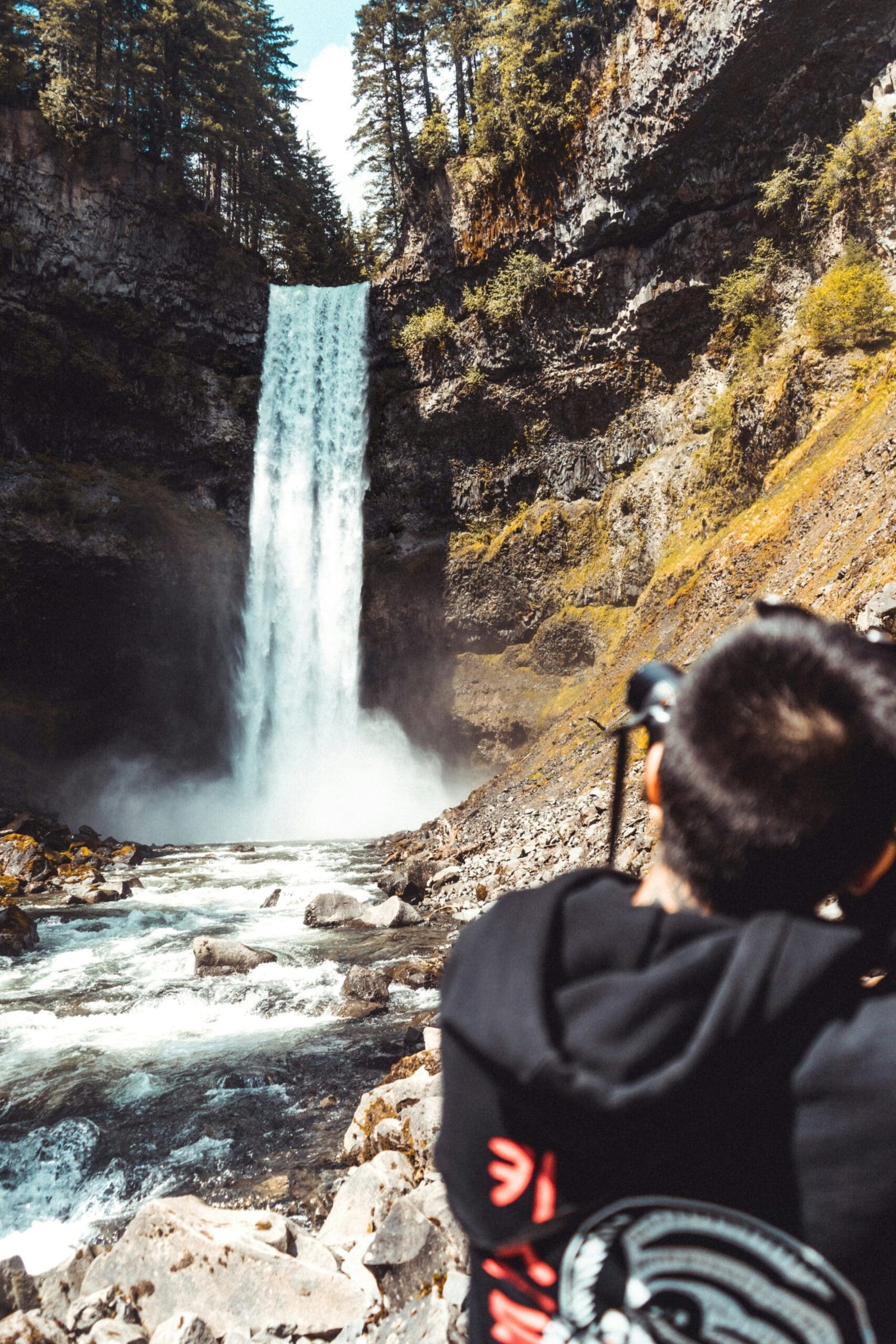
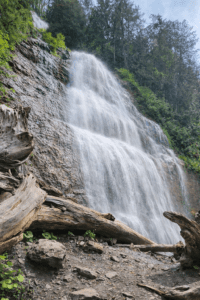
Bridal Veil Falls is often the first major nature stop on a Fraser Canyon itinerary from Vancouver. Located east of Chilliwack, the park is known for a waterfall that drops over a smooth rock face in a shape that resembles a bridal veil.
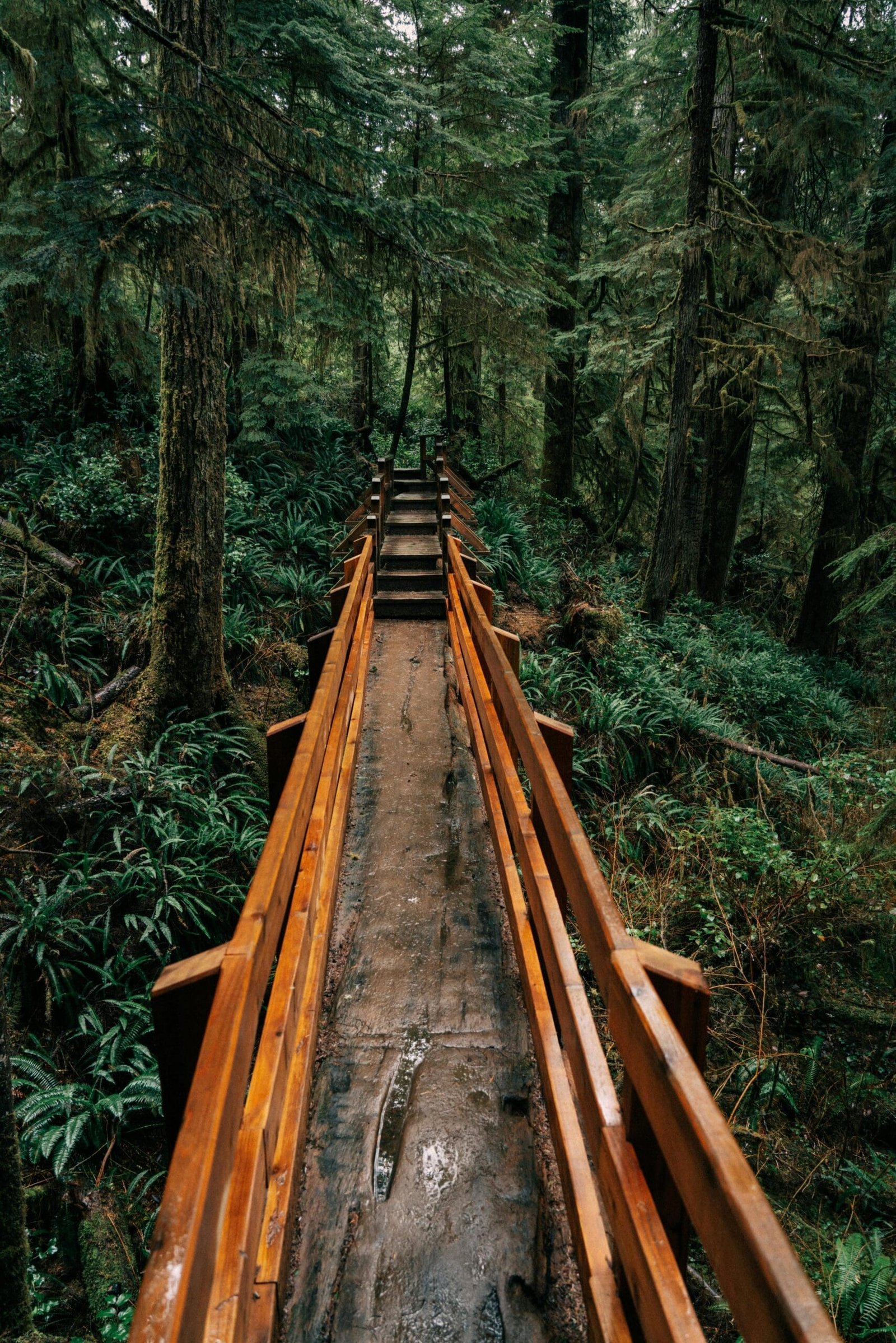
What makes this stop work so well is accessibility. You do not need a difficult hike to enjoy it. The walk to the viewing area is short, forested and manageable for most visitors. It gives the day an immediate nature moment without requiring serious outdoor preparation.
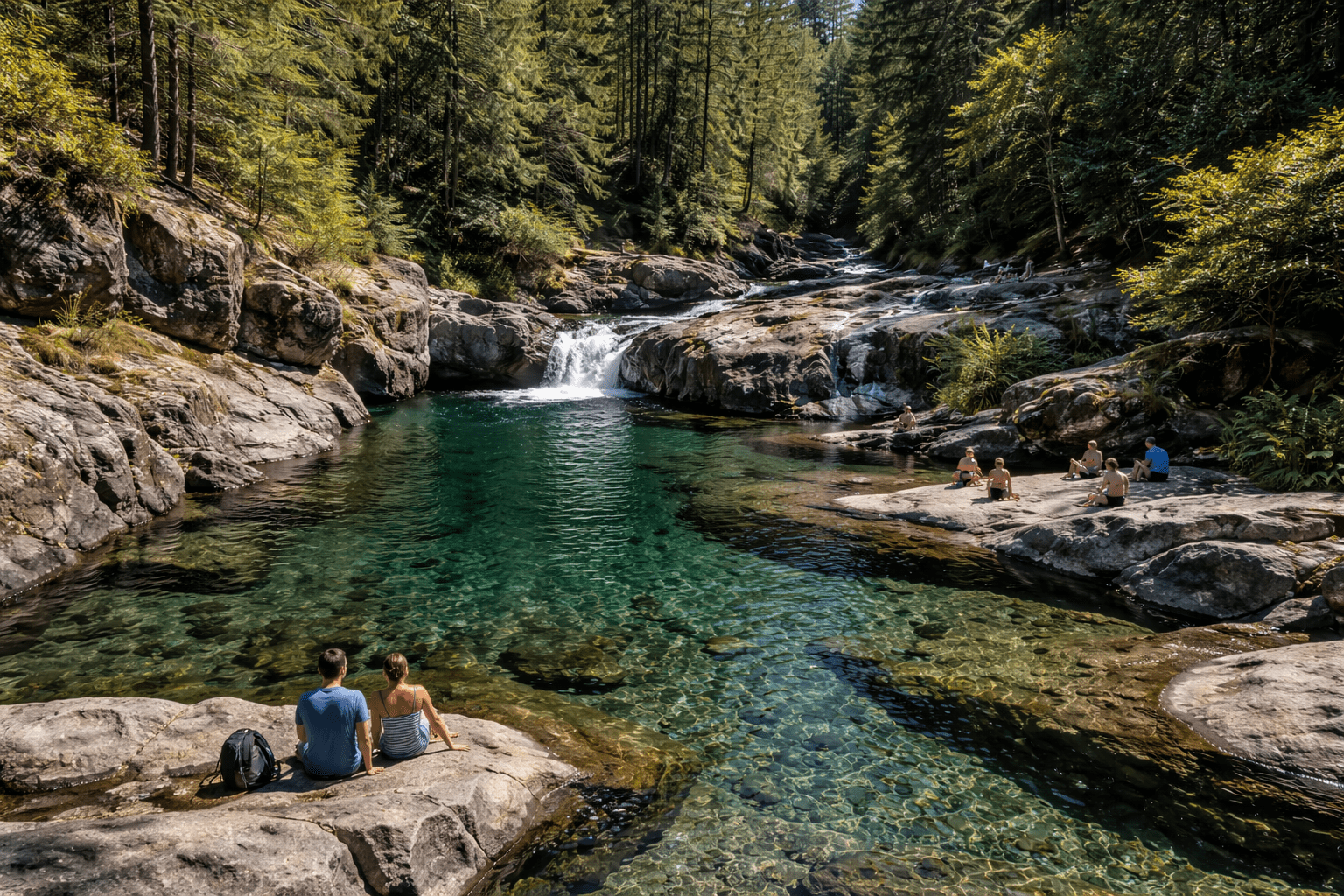
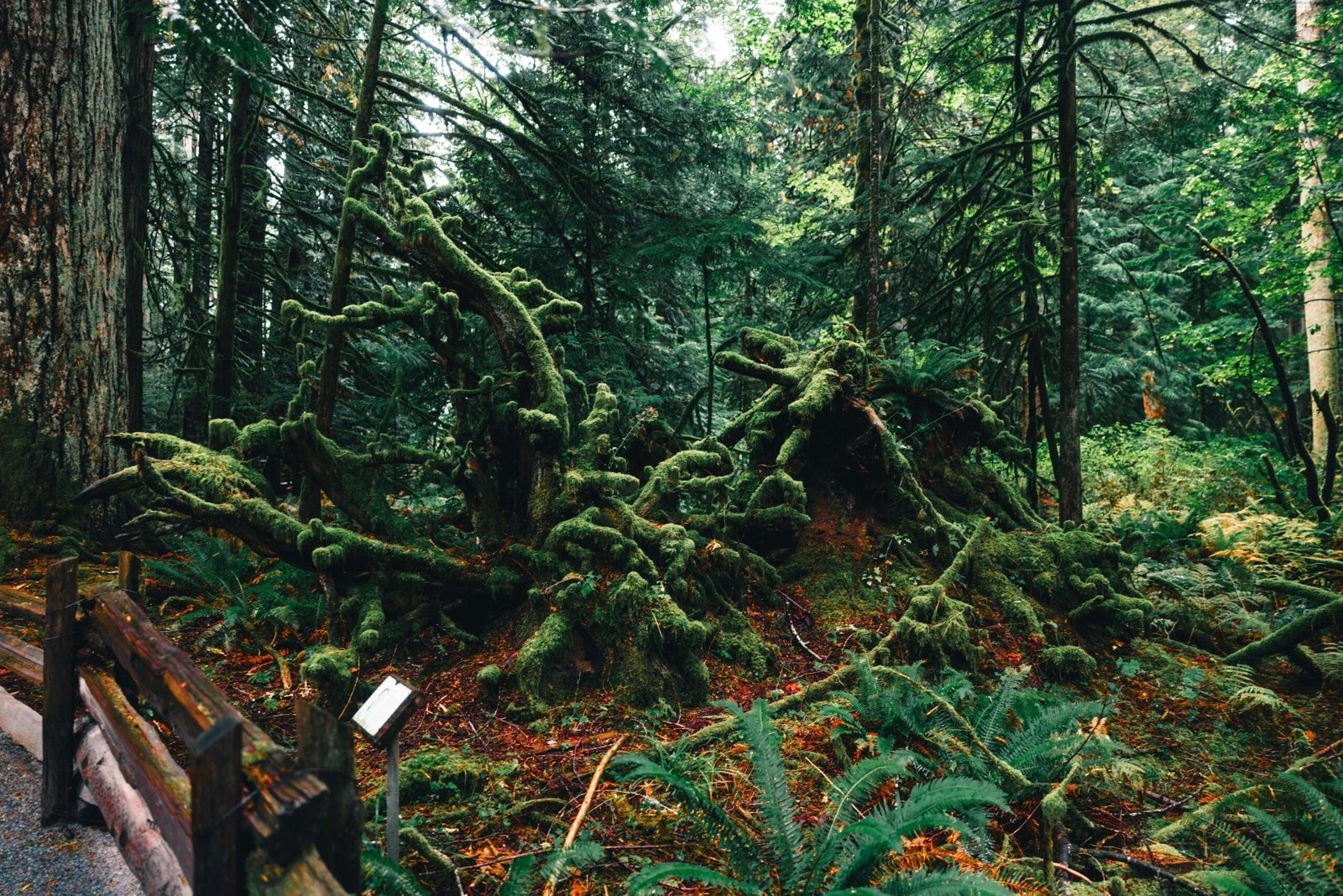
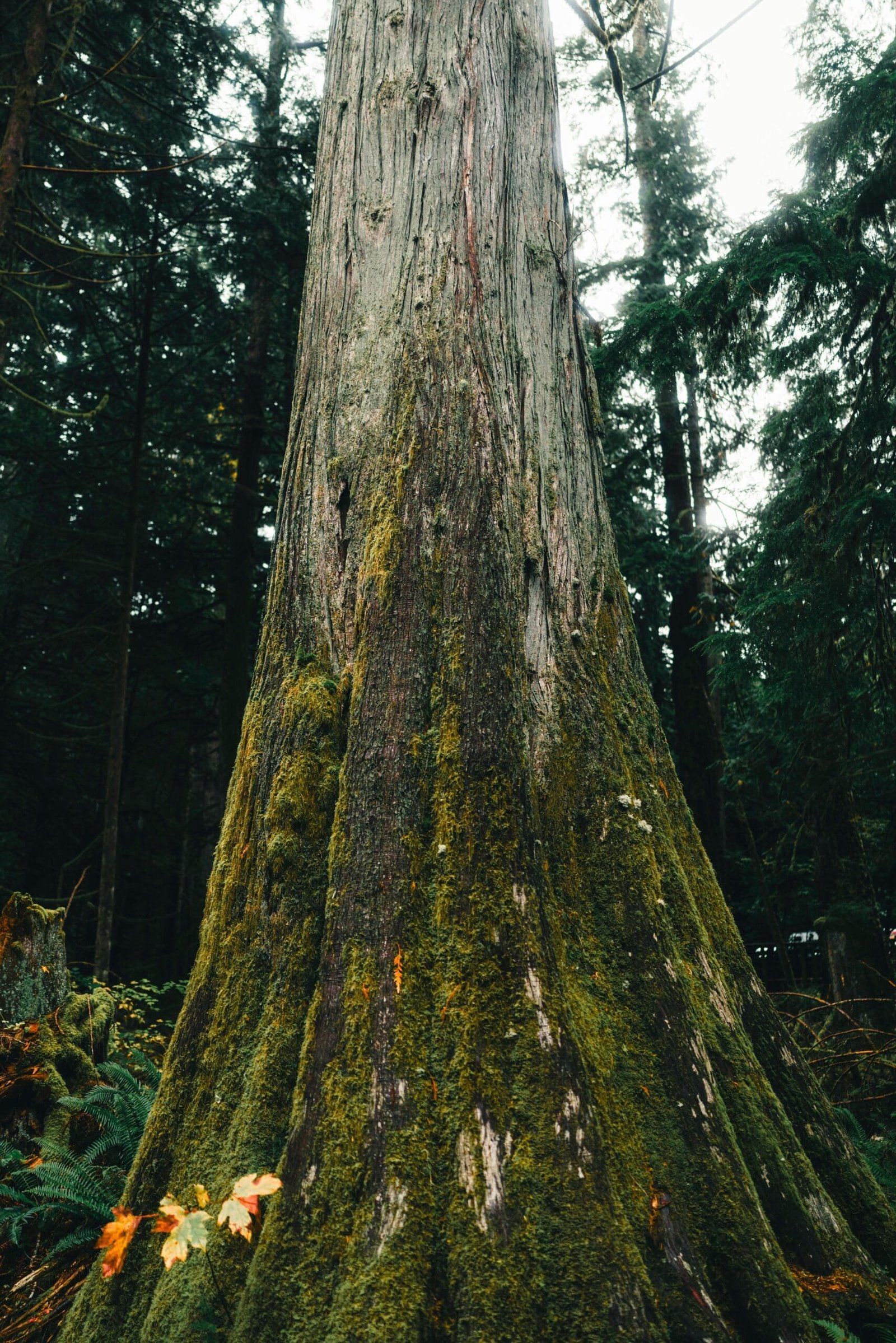
The setting is lush and green, with moss, trees, ferns and the sound of falling water. In spring and after rainfall, the waterfall can feel especially fresh and powerful. In drier periods, the water flow may be lighter, but the forest setting still makes it a worthwhile stop.
What to Know Before Visiting Bridal Veil Falls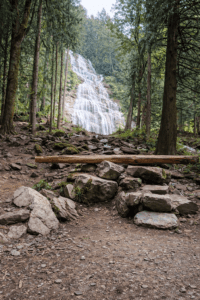
Bridal Veil Falls is best approached as a short scenic walk, not a long hiking destination. The main reason to stop is the waterfall view and the peaceful forest setting.
Wear comfortable shoes, especially if the trail is damp. Stay on marked paths and avoid climbing toward the base of the falls. Like many waterfall areas in British Columbia, rocks can be slippery, and the terrain can be unstable near the water.
This stop is particularly good for families, first-time visitors, photographers and travellers who want a beautiful but easy nature experience before continuing toward Hope and the canyon.
For many visitors, Bridal Veil Falls is also one of the most photographed waterfalls in the Fraser Valley. The combination of easy access, beautiful forest surroundings and the dramatic curtain-like flow of water makes it a popular stop for travel photography. Even a brief visit can provide some of the most memorable scenery of the entire Fraser Canyon journey.
Hope, BC: Gateway to Canyons, Tunnels and Mountain Roads
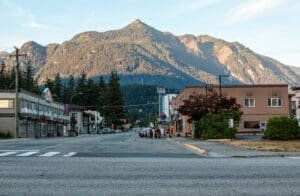
Hope is more than a fuel stop on the way to somewhere else. For a Fraser Canyon day trip, it is one of the most useful and interesting communities on the route.
The town sits near the meeting of major routes, including the Trans-Canada Highway and the Coquihalla Highway. It is surrounded by mountains and rivers, and it has a strong connection to outdoor recreation, film history and local art.
Hope also helps break up the day. After the drive from Vancouver and a stop at Bridal Veil Falls, downtown Hope gives travellers a chance to walk, find food, stretch and explore before continuing toward the canyon or Othello Tunnels.
Hope’s Chainsaw Carvings and Art Walk

One of Hope’s most distinctive features is its outdoor collection of chainsaw carvings. Around the town centre, visitors can find wooden sculptures depicting wildlife, local characters and regional themes. This gives Hope an identity that feels different from other small towns along the highway.
The carvings make the town easy to explore on foot. Instead of visiting one museum or one monument, you can walk through the downtown area and gradually notice the sculptures in public spaces.
For a day trip, this is valuable because it adds culture and local character to a route that is otherwise dominated by waterfalls, tunnels and canyon scenery. It also gives the itinerary a slower, more human moment between larger natural attractions.
Othello Tunnels: Railway History Inside a Canyon
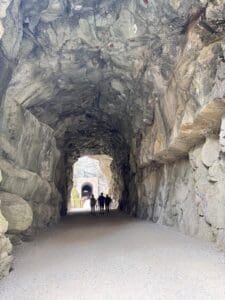
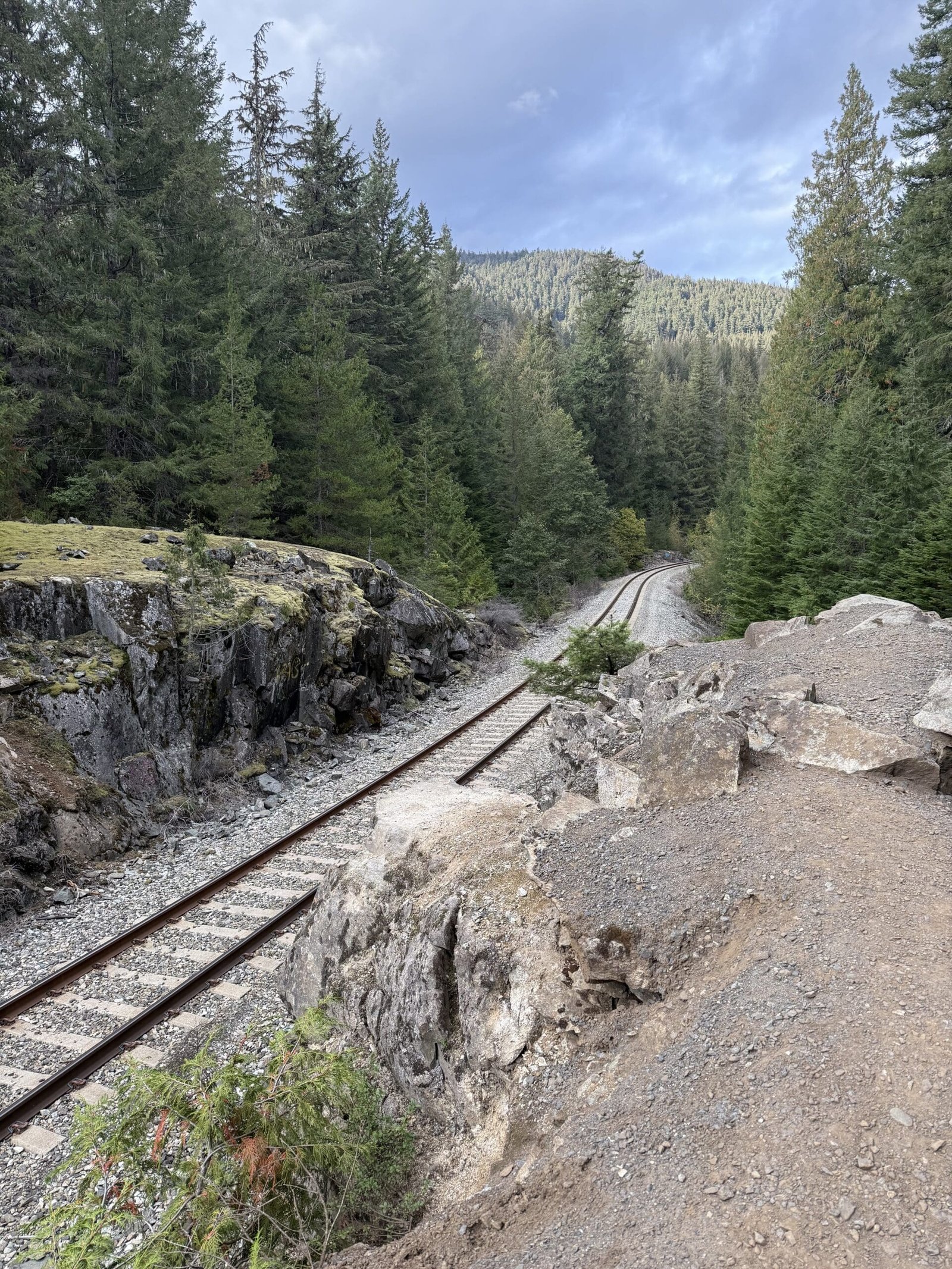
The Othello Tunnels are among the most fascinating stops near Hope. They are located in Coquihalla Canyon Park and follow part of the historic Kettle Valley Railway route. The tunnels were carved through solid granite in the early 20th century, creating a dramatic passage through the canyon.
What makes the Othello Tunnels special is the combination of engineering and landscape. The route passes through dark tunnels, across bridges and alongside steep canyon walls above the Coquihalla River. It is not just a walk; it is a visible reminder of how difficult it was to build transportation routes through British Columbia’s mountains.
The area feels cinematic because of the contrast between black tunnel interiors, bright canyon openings, rushing water and sheer rock. It is one of the best places near Hope to understand how railways shaped access between the B.C. coast and the interior.
What to Expect at Othello Tunnels
When open, the Othello Tunnels route is usually considered an easy walk. The trail is relatively flat, but it can be dark and uneven inside the tunnels. A phone flashlight or small flashlight is useful, especially for families or anyone who prefers better visibility underfoot.
The experience is less about physical difficulty and more about atmosphere. You walk through old railway tunnels, emerge onto bridges, look down into the canyon and hear the river moving below.
Access has changed in recent years because the park was damaged by severe flooding in 2021 and repairs have been phased. Before planning a visit, always check current BC Parks advisories, seasonal closures and trail access. This is important because conditions can change, and parts of the park or nearby trails may be open, partially open or restricted depending on repair work and safety conditions.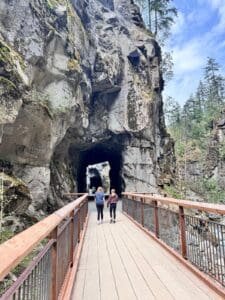
Why the Othello Tunnels Matter
The Othello Tunnels are important because they show the scale of railway ambition in British Columbia. Building through the Coquihalla Gorge required difficult engineering decisions, manual labour and a route through unforgiving terrain.
The tunnels are also visually memorable. Many visitors come for photos, but the site becomes more meaningful when you understand that the route was once part of a working railway connection.
For travellers interested in history, this stop gives the Fraser Canyon day trip more depth. It connects the natural environment with the story of settlement, trade, engineering and movement through the province.
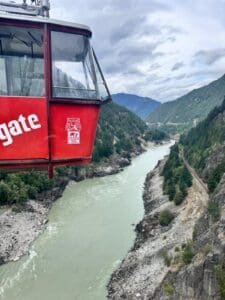
Hell’s Gate: The Most Dramatic Fraser River Stop
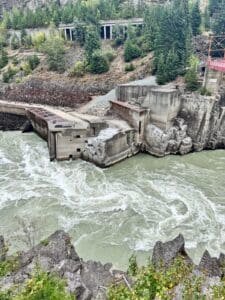
Hell’s Gate is one of the most powerful places to experience the Fraser Canyon. Here, the Fraser River is forced through a narrow rocky passage, creating intense water movement and a dramatic canyon setting.
The name itself is part of the attraction. It is associated with explorer Simon Fraser’s description of the difficult passage through the canyon. Today, Hell’s Gate is best known for the Hell’s Gate Airtram, which takes visitors down into the gorge for close views of the river and surrounding cliffs.
This stop feels different from Bridal Veil Falls or Othello Tunnels. Bridal Veil Falls is peaceful. Othello Tunnels is historic and atmospheric. Hell’s Gate is loud, steep and forceful. It shows the Fraser River at its most concentrated and dramatic.
Hell’s Gate Airtram: What Makes It Unique
The Hell’s Gate Airtram is not just transportation across a canyon. It is part of the experience. Visitors board the tram near the highway and descend into the gorge, with the Fraser River below and canyon walls around them.
At the lower side, visitors can explore viewpoints, learn about the area and see the river from a different angle. The airtram makes the canyon more accessible than it would otherwise be, allowing visitors to experience the scale of the cliffs and river without a strenuous hike.
This attraction is especially good for people who want a memorable viewpoint but do not want a difficult trail. It is also one of the most distinctive stops between Vancouver and the Interior because the combination of tram, river and canyon is unusual.
The Fraser River and Salmon History
Hell’s Gate is not only a scenic attraction. It is also connected to salmon migration and river history. The Fraser River has long been one of the most important salmon rivers in British Columbia, and the narrow passage at Hell’s Gate played a major role in both natural migration and human intervention.
Railway construction and rockslides in the early 20th century created serious problems for salmon passage in this area. Fishways were later developed to help salmon move through the difficult section of river.
Understanding this context makes Hell’s Gate more than a photo stop. It becomes a place where natural power, transportation development and environmental consequences all meet.
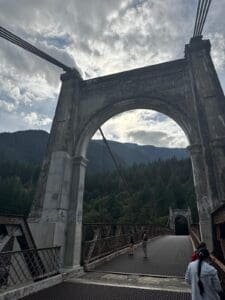
Alexandra Bridge: A Historic Optional Stop
Alexandra Bridge is an optional stop that can add another layer to a Fraser Canyon trip. The bridge area offers a quieter, more historic perspective on the canyon corridor.
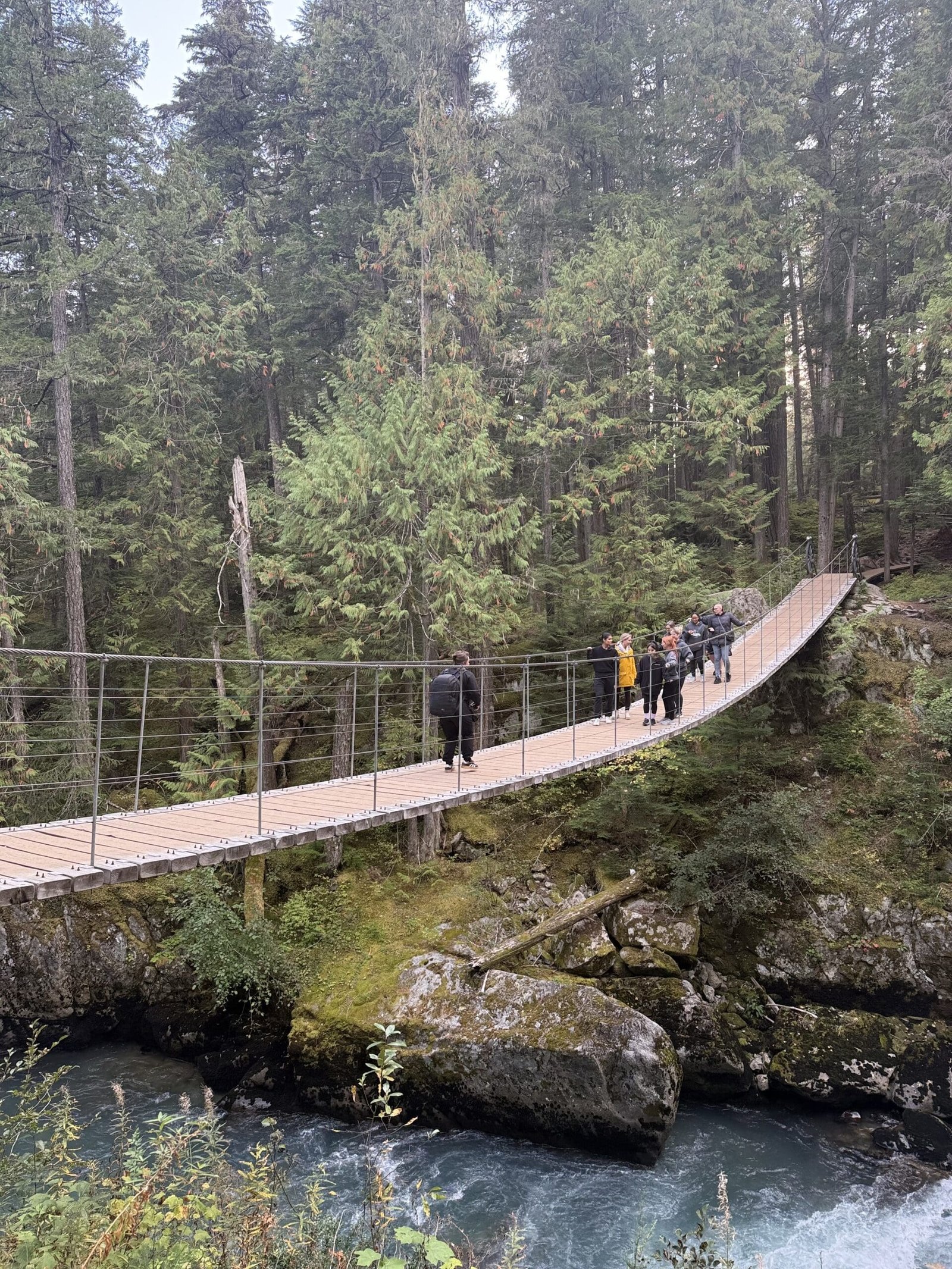
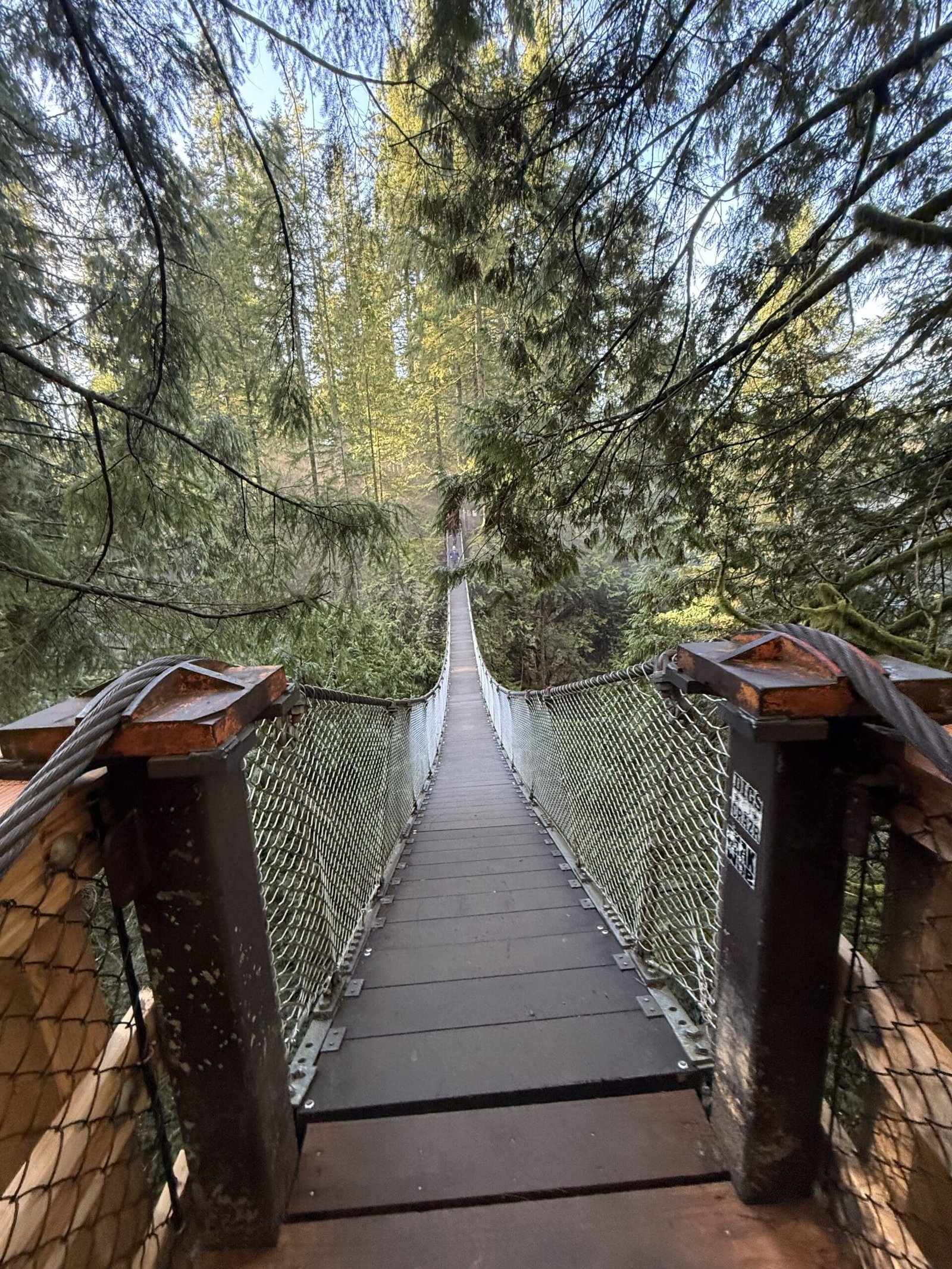
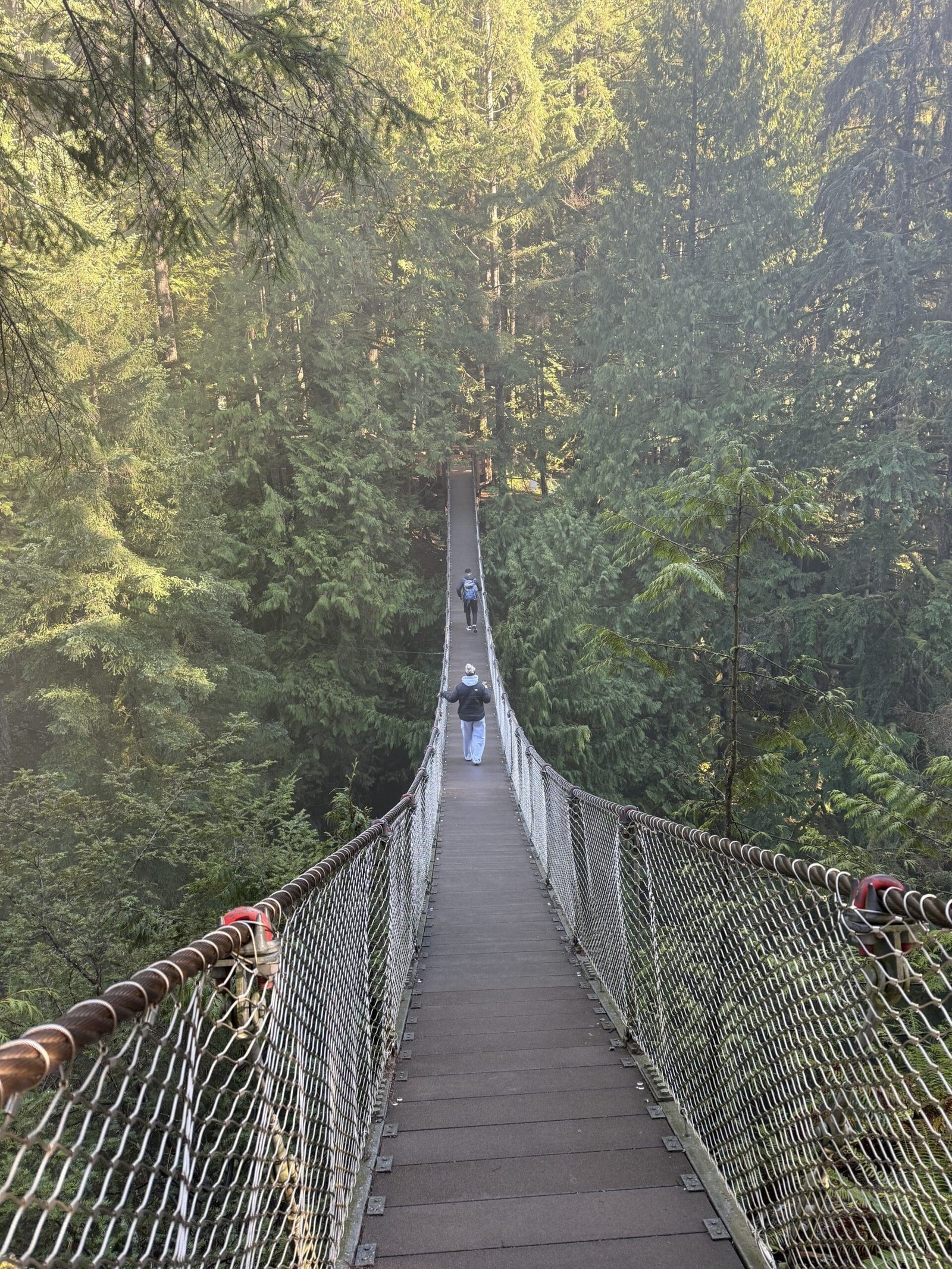
The current historic suspension bridge dates to the 1920s and is tied to the route’s transportation history. Walking across or viewing the bridge gives visitors another chance to appreciate the scale of the canyon and the importance of crossings in this region.
This stop is best for travellers who enjoy historic infrastructure, photography and quieter places. It may not fit every itinerary, especially if daylight or timing is limited, but it can be a rewarding addition when conditions allow.
Suggested Fraser Canyon Day Trip Flow
A balanced day from Vancouver should not try to cover every possible canyon stop. The route is long enough that pacing matters.
A practical flow can look like this:
– Depart Vancouver in the morning
– Stop at Bridal Veil Falls for an easy forest walk and waterfall view
– Continue toward Hope
– Explore Othello Tunnels / Coquihalla Canyon Park if access allows
– Walk through Hope and see the chainsaw carvings
– Continue to Hell’s Gate Airtram
– Add Alexandra Bridge if timing, weather and daylight allow
– Return to Vancouver in the evening
This order may change depending on attraction hours, traffic, weather, ferry-like wait times at attractions, seasonal access and group pace. The key is to avoid rushing each stop.
Self-Guided Road Trip vs. Planned Day Trip
A self-guided Fraser Canyon road trip can be excellent if you enjoy driving, planning and adjusting your own schedule. It gives you independence and lets you spend more time at the stops that interest you most.
However, the route is long for a single day from Vancouver. You need to manage highway driving, parking, attraction timing, closures, food stops and the return drive. For visitors unfamiliar with B.C. roads or travelling in a group, that can make the day feel more tiring.
A planned day trip makes more sense if you want to focus on the scenery and history instead of logistics. It is especially useful for cruise visitors, families, small groups, travellers without a rental car or visitors who prefer not to drive long distances in an unfamiliar area.
Pros and Cons of a Fraser Canyon Day Trip
The Fraser Canyon is best for travellers who enjoy varied scenery and stories. It may not be the right fit for someone looking for luxury shopping, beaches or a short relaxed half-day outing.
Best Time of Year to Visit the Fraser Canyon
The best time to plan a Fraser Canyon day trip is usually from late May to late October, when the key seasonal attractions are more likely to be available and the route is easier to enjoy as a full-day experience.
This timing matters because Othello Tunnels and Hell’s Gate Airtram are seasonal attractions. They are generally closed from November 2 until the end of May, so a winter or early spring trip will not offer the same full itinerary. During that closure period, the route may still be scenic, but visitors should not plan the day around the tunnels or the airtram.
Spring can be beautiful once seasonal access begins to reopen. Waterfalls such as Bridal Veil Falls often feel fresh and powerful, and the Fraser Valley is green after the rainy season. However, late spring is also a time when visitors should check current opening dates, trail advisories and attraction schedules before travelling.
Summer is usually the strongest season for a complete Fraser Canyon experience. Longer daylight, warmer weather and better access make it easier to combine Bridal Veil Falls, Hope, Othello Tunnels, Hell’s Gate Airtram and optional historic stops in one day.
Autumn can also be excellent, especially from September through October. The light is softer, the pace can feel calmer, and the canyon scenery becomes more atmospheric. Just keep in mind that seasonal attractions may close after the beginning of November, so late October is usually the safer cut-off for the full experience.
Winter is more limited. Bridal Veil Falls and Hope may still be possible depending on weather and road conditions, but Othello Tunnels and Hell’s Gate Airtram should be treated as unavailable during the seasonal closure period. For winter travel, keep the itinerary simpler and check road conditions carefully before leaving Vancouver.
What to Bring
Comfortable walking shoes are essential. Even though the main stops are not difficult hikes, you will still walk on forest trails, gravel paths, tunnel surfaces, bridges and viewpoints.
Bring layered clothing. Conditions can change between Vancouver, the Fraser Valley, Hope and the canyon.
A light rain jacket is useful for much of the year. The Lower Mainland and Fraser Valley can be wet, and waterfall areas may feel damp.
Bring a flashlight or phone light for Othello Tunnels if they are part of your itinerary.
Carry water and snacks, especially if travelling with children or a group. Food stops may depend on timing and route.
A fully charged phone or camera is highly recommended. This route has strong photo opportunities: waterfalls, tunnels, canyon walls, river views, bridges and wood carvings.
Safety and Responsible Travel Tips
Stay on marked trails. This is especially important at waterfalls, canyon edges and tunnel areas.
Do not climb around waterfall bases or canyon viewpoints. Rocks may be slippery, unstable or exposed to falling debris.
Check official park advisories before visiting Othello Tunnels or any provincial park stops.
Respect closures. If a trail, bridge or viewpoint is closed, it is usually because of safety concerns such as erosion, rockfall, repair work or unstable terrain.
Keep children close near bridges, canyon railings, river viewpoints and parking areas.
Pack out what you bring in. Many of these places are sensitive natural and historic sites.
Who Will Enjoy This Trip Most?
A Fraser Canyon day trip is ideal for travellers who want to see a different side of British Columbia beyond the usual Vancouver highlights. It works well for:
– First-time visitors who have already seen Vancouver and want a deeper day trip
– Families who enjoy easy nature stops and local history
– Couples looking for a scenic road trip with variety
– Small groups interested in photography and unique landscapes
– Visitors curious about railways, rivers and canyon engineering
– Cruise passengers or airport visitors with an extra full day in Metro Vancouver
It is less ideal for travellers who want a very short outing, a luxury-focused experience or a day with minimal driving.
Is the Fraser Canyon Better Than Whistler or Victoria?
It depends on what kind of experience you want.
Whistler is better if you want alpine resort atmosphere, gondolas, mountain village energy and a classic Sea to Sky route.
Victoria is better if you want gardens, ferry travel, historic harbour views and a more polished city experience.
Fraser Canyon is better if you want rugged scenery, waterfalls, railway tunnels, river power, historic infrastructure and a less obvious B.C. day trip.
The Fraser Canyon feels more raw and story-driven. It may not be as famous internationally, but that is part of its appeal.
Final Thoughts
A Fraser Canyon day trip is one of the best choices from Vancouver for travellers who want nature, history and dramatic landscapes in one route. Bridal Veil Falls gives the day a gentle forest-and-waterfall beginning. Othello Tunnels adds railway history and canyon atmosphere. Hell’s Gate shows the force of the Fraser River. Hope adds small-town character through its carvings and walkable centre. Alexandra Bridge, when included, adds another historic layer to the route.
This is not a day to rush. The best version of the Fraser Canyon is experienced with enough time to walk, look, listen and understand what shaped the landscape. The route tells a story of rivers, rock, railways, roads and communities — and that is what makes it different from many other day trips in British Columbia.